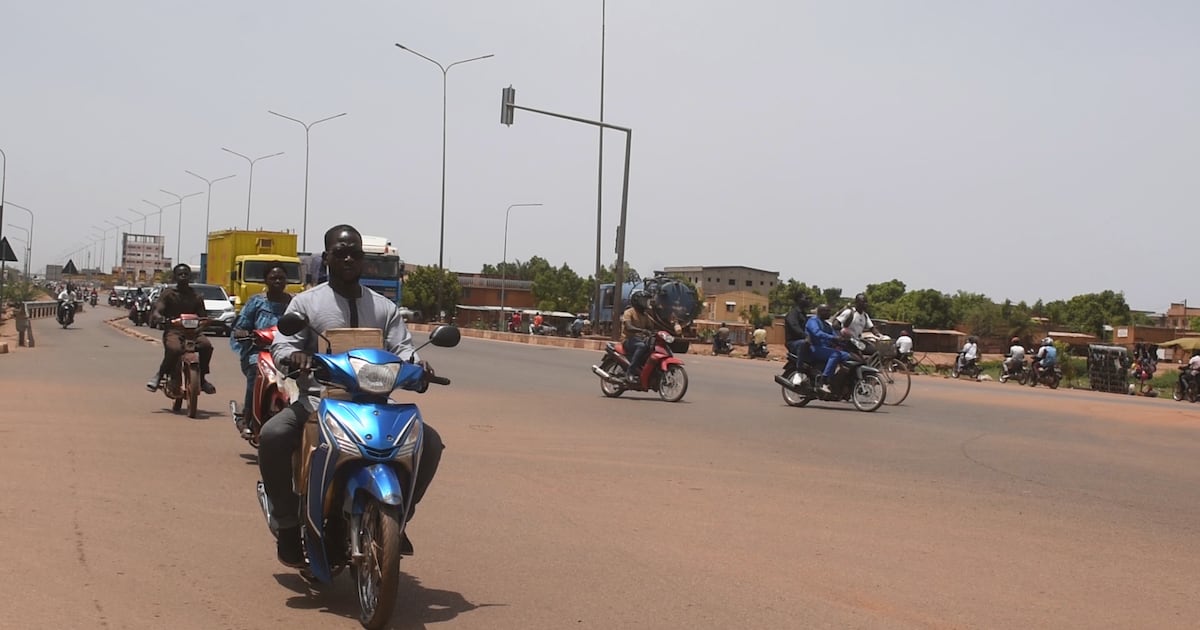
A new traffic regulation in Burkina Faso is stirring conversation among commuters as authorities officially permit Mio-style motorbikes to share lanes originally designated for bicycles. While some see it as a clever way to manage congestion, others fear the existing infrastructure is ill-equipped for the change.
A shift in urban mobility
The compact and lightweight Mio scooters, prized for their fuel efficiency and low maintenance costs, are a staple of city life. Under the new directive, these two-wheelers are being diverted from main thoroughfares to secondary cycle paths. Ben Ouattara, a local delivery rider, views the change positively. “I believe this is a sensible move,” he notes. “Since the law already governs our movements, integrating Mio bikes into the smaller lanes feels like a natural adjustment.”
The primary goal for officials is to ease the pressure on heavily congested main roads. By reorganizing how different vehicles occupy the pavement, the government hopes to foster a more fluid traffic flow and improve the daily commute for everyone.
Concerns over narrow infrastructure
However, the transition is not without its critics. Sirina Ouédraogo, a regular road user, expresses reservations about the physical limits of the paths. “The intention to protect the public is clear, but these lanes are quite narrow. Forcing all motorbikes into such a tight space could lead to even more bottlenecks,” she explains, adding that she will wait to see how the situation evolves.
Many residents argue that simply shifting bikes to different lanes is a temporary fix for a much larger problem. As the number of motorized two-wheelers continues to skyrocket in Burkina Faso, the demand for a comprehensive overhaul of urban transport systems becomes more pressing.
Safety and driver behavior
Some riders, like Abdoulaye Mané, find that the confined space of the bicycle paths actually encourages safer driving habits. “In the cycle lane, you have to be more attentive because space is limited. That forced restraint can actually help prevent collisions,” he says.
In contrast, Sergène Yabré points to a lack of road education as a major hurdle. “Many drivers don’t understand basic traffic rules. You often see people making dangerous maneuvers without signaling. My concern is that some will use these smaller paths just to speed through traffic,” she warns, urging her fellow citizens to exercise more caution.
The need for modernization
Ultimately, the consensus among many is that the success of this measure depends on infrastructure upgrades. Expanding the width of these paths to safely accommodate both bicycles and motorbikes is seen as a necessary step. If the government invests in modernizing these routes, it could provide a sustainable solution to the chronic traffic jams plaguing the city and improve overall Burkina security on the roads.