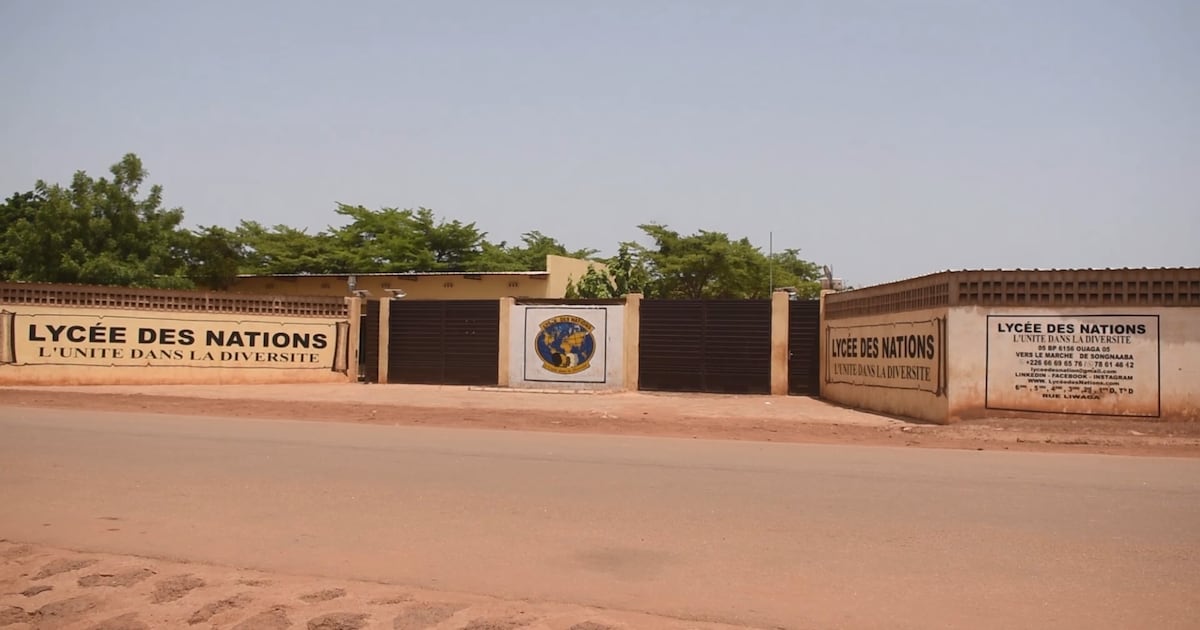
In Burkina Faso, a proposed cap on private school tuition fees has sparked lively debate among parents, educators, and students. While some see it as a necessary step to ease financial burdens, others question its long-term effectiveness.
Support for tuition regulation
Alain Damiba, a well-known slam artist, strongly advocates for stricter control over school fees. “The costs are simply unaffordable. A regulated ceiling would provide much-needed relief to parents, ensuring better education for our children,” he argues.
Giles Sawadogo, a father of three, shares this perspective. “Even a small reduction of 10,000 FCFA per child makes a difference. With rising living costs and stagnant wages, every franc saved helps,” he explains.
skepticism and alternative solutions
Not everyone is convinced. Some parents believe investing in public schools would be more beneficial. Bassirou Gnaboné, a Master’s student in Taxation, suggests that free education—especially at the university level—would be ideal. “More public schools and technical institutions are needed to balance the system. When public education improves, private schools will have to adjust their fees to stay competitive,” he states.
what should the cap be?
Opinions vary on the ideal tuition limit. Some propose a range between 50,000 and 100,000 FCFA per child annually, depending on the grade level and services offered. Others argue that fees should be abolished entirely to ensure universal access.
a temporary fix or long-term reform?
Critics argue that fee regulation alone won’t solve the problem. They call for greater state investment in education—more schools, better-trained teachers, and improved infrastructure. Strengthening public education could reduce families’ reliance on expensive private institutions over time.