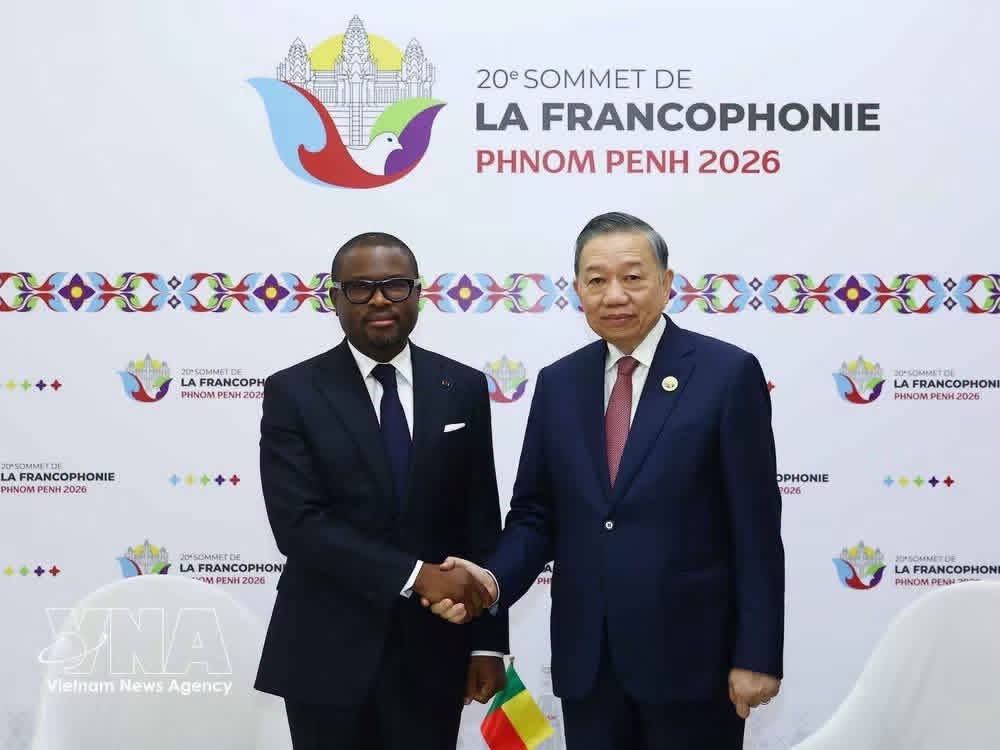
On November 15, in Phnom Penh during the Francophonie Summit, Benin’s Minister of Economy, Romuald Wadagni, held his first formal meeting with Vietnam’s Prime Minister, Tô Lâm. The discussions centered on critical sectors rice, cashews, cotton, aquaculture, and port infrastructure all of which align with Benin’s agricultural, industrial, and trade ambitions.
The crux of the bilateral talks is clear: is Benin aiming to merely boost raw material exports to Vietnam, or does it seek to leverage this partnership as a catalyst for industrial development? The distinction is pivotal.
Cashews as a test case for Benin’s economic ambitions
The cashew sector exemplifies the stakes at hand. Vietnam boasts a robust cashew processing industry and dominates the global market. Meanwhile, Benin produces raw cashews that appeal to Vietnamese industrialists. While this synergy presents an opportunity, it also carries risks namely, that Benin could become confined to supplying unprocessed nuts, while the lucrative stages of value addition, industrial employment, and revenue generation occur abroad.
A missed opportunity would mean overlooking the full potential of the cashew supply chain. The real value lies not just in cultivation and export but in decortication, packaging, processing, marketing, and industrial expansion. Each step retained on home soil translates into job creation, skill transfers, local business growth, and economic gains.
From buyers to investors: raising the stakes in negotiations
Benin’s approach must evolve: the focus should no longer be on attracting Vietnamese buyers for raw materials but on attracting investors willing to establish production and processing facilities locally. Purchasing a commodity is a transaction; setting up an industrial plant is a transformative economic commitment.
This urgency is underscored by a 2024 agricultural agreement between the two countries, which remains largely unimplemented. Two years later, the priority is no longer drafting more cooperation frameworks but addressing why past commitments have stalled and identifying concrete steps to move forward.
Rice, cotton, and aquaculture: three sectors demanding deeper collaboration
In rice, cotton, and aquaculture, Benin must pursue partnerships that go beyond mere export facilitation. The goal is to enhance yields, adopt modern techniques, advance agro-processing, and penetrate new markets. Port infrastructure is equally vital without efficient logistics, adequate storage, and competitive trade channels, efforts to expand commerce will fall short.
Avoiding the trap of empty diplomatic promises
There is a persistent pitfall in African economic diplomacy: confusing the signing of agreements with the achievement of results. Partnerships are measured not by the number of summits or the length of official statements, but by realized investments, jobs created, technologies transferred, and wealth retained within the national economy.
For Wadagni, the meeting with Tô Lâm marks the beginning of a broader initiative not just a diplomatic formality, but a platform where Benin must assert its economic interests with greater ambition and negotiation strength.
The core challenge is straightforward: Benin cannot afford to remain an agricultural breadbasket serving foreign industries. It must transform into a hub where raw materials are processed, skills are nurtured, and investments generate tangible benefits for its people.
Vietnam can serve as a strategic partner in this vision if the partnership catalyzes Benin’s transition from raw material supplier to industrial player capable of capturing a larger share of wealth from its own resources.
By Jeanne Ntouba — Journalist