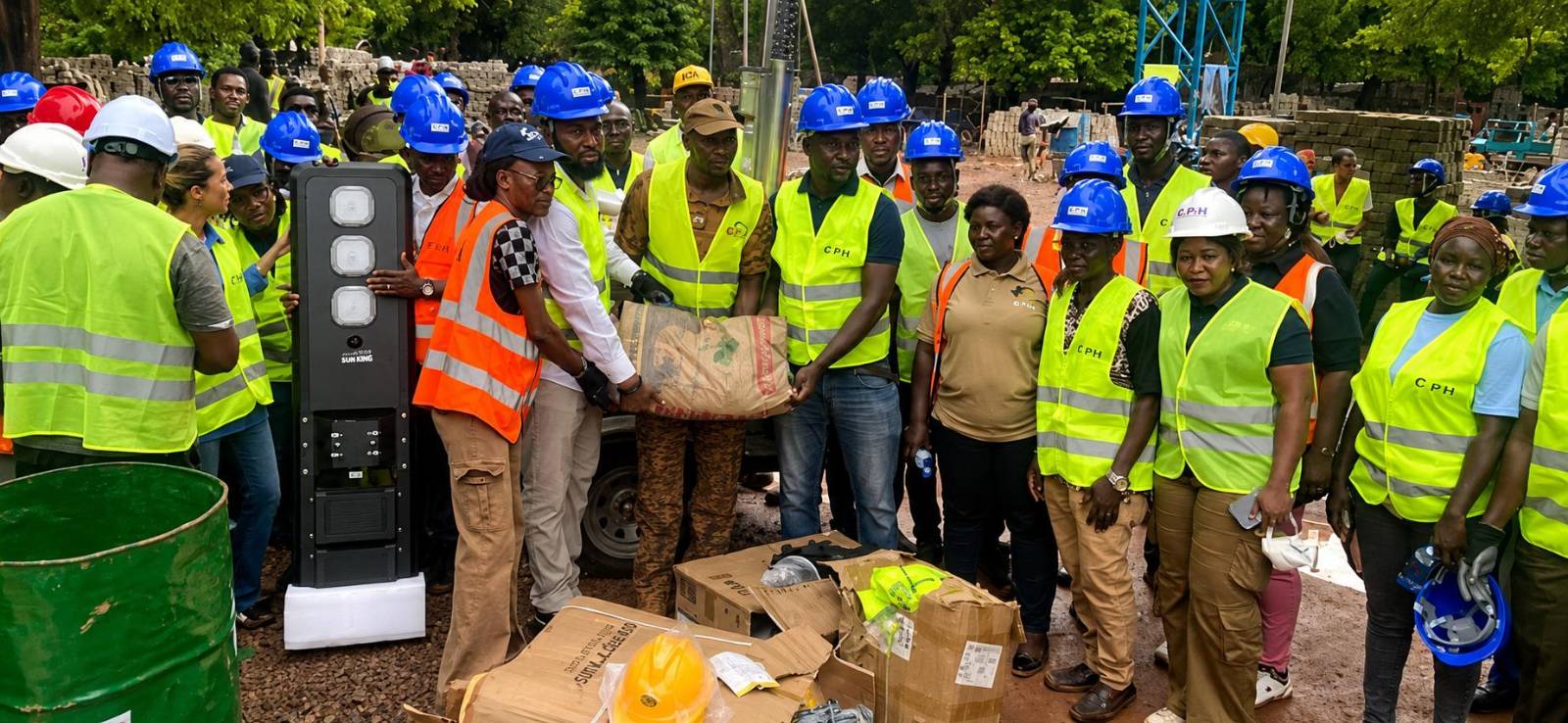
The Burkina Faso government proudly announced that over 261 million FCFA had been collected under the Faso Mêbo initiative by mid-May 2026. But as the fundraising drive gathers momentum, a growing chorus of critics is questioning whether this voluntary contribution is truly a patriotic effort—or something far less noble.
Patriotism or a second tax?
For most Burkinabè taxpayers, their civic duty is already fulfilled through the payment of income taxes, customs duties, and other mandatory levies. Despite economic hardship—soaring inflation, rising insecurity, and shrinking household budgets—citizens continue to meet their fiscal obligations faithfully. So why, many ask, is the state now asking them to dig deeper into their pockets a second time?
Critics argue that Faso Mêbo is masking deeper issues: inefficiencies in public spending, poor financial oversight, or even a failure to allocate existing tax revenues effectively. By encouraging voluntary donations, the government may be sidestepping its own responsibility to manage public funds transparently—and placing an unfair burden on a population already stretched to its limits.
The illusion of voluntary giving
Proponents of the initiative frame it as a grassroots movement, a national effort to support defense, infrastructure, and social services. But skeptics see it as a cleverly disguised fundraising campaign that exploits patriotism to plug gaps in the national budget. After all, if taxes are meant to fund defense and public services, why must citizens contribute twice?
Many now refer to it as a form of moral scam, a campaign that leverages emotional appeals while obscuring real financial mismanagement. The message to the public? Pay up again—or risk being seen as unpatriotic.
Transparency must come first
The Burkinabè people have demonstrated remarkable fiscal responsibility. Their willingness to pay taxes, even in difficult times, speaks volumes about their commitment to national development. But that commitment should not be exploited through opaque, parallel fundraising schemes that raise more questions than answers.
The path to progress lies not in endless crowdsourced donations, but in a clear, accountable use of the resources already at the state’s disposal. If additional funding is needed, it should come through a transparent, equitable process—not through emotional pressure disguised as patriotism.
Until the government shows how Faso Mêbo fits into a broader, fiscally responsible development strategy, many will continue to view this initiative with deep skepticism.