The African Football Confederation (CAF) has officially endorsed the joint bid of Burkina Faso, Mali, and Niger to host the Africa Cup of Nations (CAN) in 2032. This initial approval marks a symbolic milestone for the three Sahel countries, now part of the Alliance of Sahel States (AES), as they prepare to demonstrate their readiness in infrastructure and safety standards.
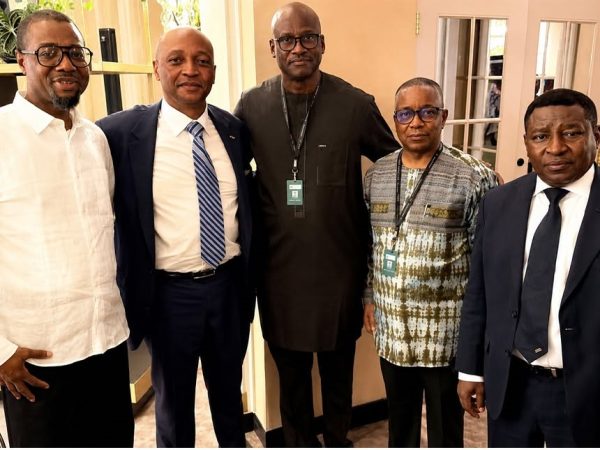
On July 18 in New York, representatives from the three nations—Colonel Oumarou Sawadogo, Mahamadou Cissé, and Issaka Adamou—met with CAF President Patrice Motsepe to secure the validation of their joint declaration of interest. While the announcement was confirmed shortly after, the path to hosting the prestigious tournament remains long and demanding.
Administrative validation, but no guarantee
Under Article 7.3 of the CAF’s bid regulations, Burkina Faso, Mali, and Niger have cleared the first hurdle by submitting their joint declaration of interest. This procedural step allows their candidacy to advance, though it does not ensure eventual selection. The trio must now prove their ability to meet the stringent technical, logistical, and security requirements set by the continental body.
Why the CAF is looking ahead to 2032
In early July 2026, the CAF simultaneously opened bidding processes for the CAN 2028, 2032, and 2036 editions. This forward-thinking approach aims to provide federations with ample time to develop robust proposals, ensuring high-quality host preparations.
While the 2032 bid has not yet reached a final decision phase, the CAF will meticulously evaluate the feasibility of the Sahelian project. Key focus areas include the condition of stadiums, accommodation facilities, transportation networks, and, critically, security conditions across the three nations.
The East African model as a blueprint
The CAF has experience with multi-country co-hosting, as Kenya, Uganda, and Tanzania prepare to jointly organize the 2027 edition. This model could serve as a template for Burkina Faso, Mali, and Niger, allowing them to share infrastructure burdens and optimize resources rather than shouldering the entire logistical load alone.
CAF President Patrice Motsepe has praised the Sahel trio’s cooperative spirit, emphasizing the need to adhere strictly to established procedures. A statement released by the Nigerien Football Federation on July 20, 2026, echoed this sentiment, framing the bid as a testament to regional solidarity.
Football as a unifying force in the Sahel
The joint bid reflects a broader trend among the AES countries—Burkina Faso, Mali, and Niger—to strengthen their collective identity and autonomy following their withdrawal from the Economic Community of West African States (ECOWAS). From economic initiatives to diplomatic maneuvers, the trio is positioning itself as a unified bloc. A successful CAN bid would provide a rare international platform for the Alliance of Sahel States, particularly amid ongoing security challenges in the region. Just days before the CAF’s validation, the African Union condemned deadly attacks in Niger and Mali on July 17 and 18.
The coming months will determine whether the Sahelian bid can overcome its biggest challenges: ensuring robust security measures and assembling the necessary infrastructure to host a world-class tournament.
What’s next for the Sahelian bid
The July 18 approval was just the first administrative step in a lengthy process. The CAF has not yet set a final decision date for the 2032 edition, leaving the trio with time to refine their technical proposal. The focus now shifts to the groundwork: developing stadiums, securing accommodation, enhancing transportation networks, and guaranteeing the safety of players, officials, and fans.
For Burkina Faso, Mali, and Niger, the CAN 2032 bid represents more than a sporting event—it’s an opportunity to showcase the Sahel’s potential on the world stage. Should they succeed, the tournament could become a symbol of regional resilience and unity.