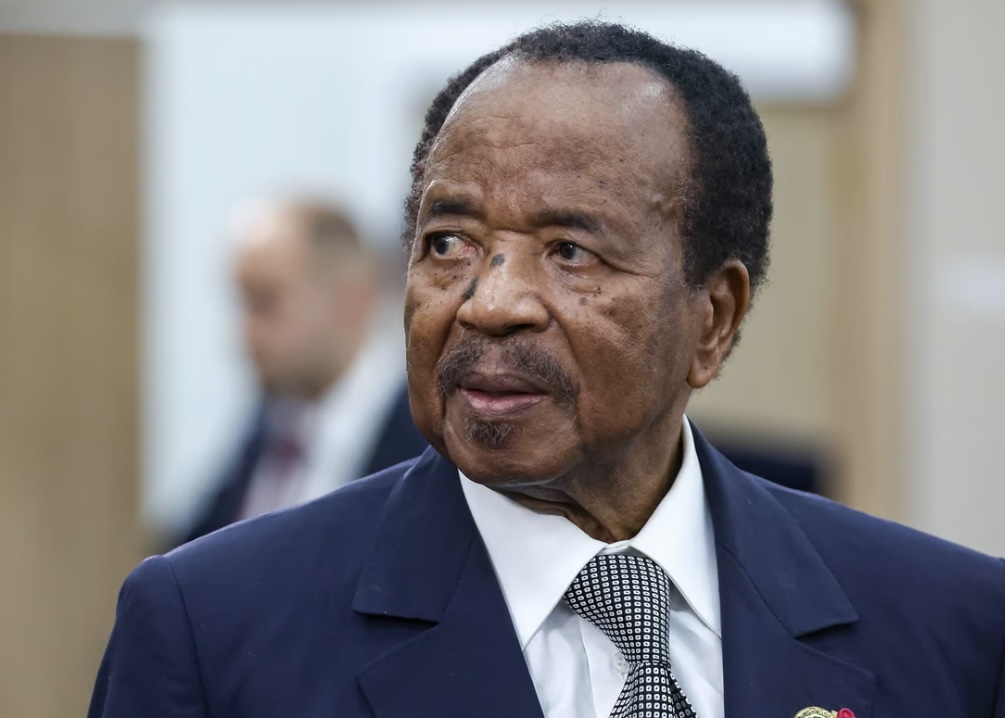
Forty-five days after President Paul Biya left Cameroon for a private trip to Europe, the country’s political landscape remains shrouded in uncertainty. The ruling Cameroon People’s Democratic Movement (RDPC) convened an urgent meeting of its top officials, yet no official announcement has clarified whether the Head of State will return or when. This prolonged absence has sparked intense debate about the functioning of institutions and the exercise of presidential powers.
While the RDPC insists that government operations continue normally, opposition figures are demanding transparency. Questions linger about the mechanisms in place for a prolonged presidential absence and who assumes leadership during such periods. The party’s Secretary-General, Jean Nkuete, called the gathering to address these concerns, though the agenda and objectives remain undisclosed.
At 93 years old, Biya departed Cameroon on June 7, with authorities describing the trip as a “short private stay in Europe.” Since then, no official statement has confirmed a return date, fueling speculation. The RDPC has attempted to counter narratives of a “pilotless state,” with party propagandist Christophe Mien Zok asserting in a July 15 editorial that “the Lion has not left,” and insisting the presidency remains firmly in place.
The presidency’s official channels have continued to release statements attributed to Biya, including greetings to French President Emmanuel Macron on Bastille Day and to Montenegro’s leader. However, no public appearances or engagements have been reported since his departure.
Opposition voices demand accountability
Several political figures have intensified calls for clarity. Deputy Jean-Michel Nintcheu has urged the Constitutional Council to recognize a vacancy in the presidency. Meanwhile, the Democratic Union of Cameroon (UDC) avoids speculating on Biya’s personal situation but emphasizes that state continuity cannot rely on silence or assumptions. In a July 18 statement, the party acknowledged that a prolonged absence abroad does not automatically constitute a vacancy but stressed the need to address the practical exercise of presidential duties and existing safeguards for temporary incapacitation.
Legal gaps in handling presidential absences
Cameroon’s legal framework lacks specific provisions on the maximum duration of a president’s absence from national territory. Analysts argue this ambiguity warrants institutional review, though no law defines when the Constitutional Council should intervene. The UDC also highlights that the vice-presidential position, reintroduced during April’s constitutional reforms, remains unfilled. The party advocates for legal reforms to clarify procedures during prolonged presidential absences.
Biya, who has led Cameroon since 1982, frequently travels to Europe. The current trip, now the longest since he assumed office, has prompted unprecedented scrutiny over his extended absence and the readiness of state institutions to handle such scenarios.