Is Cameroon’s presidency vacant after Paul Biya’s prolonged absence?
Political observers are questioning the whereabouts of Cameroon’s Head of State following his extended private visit to Europe.
Cameroon’s presidency amid extended presidential absence
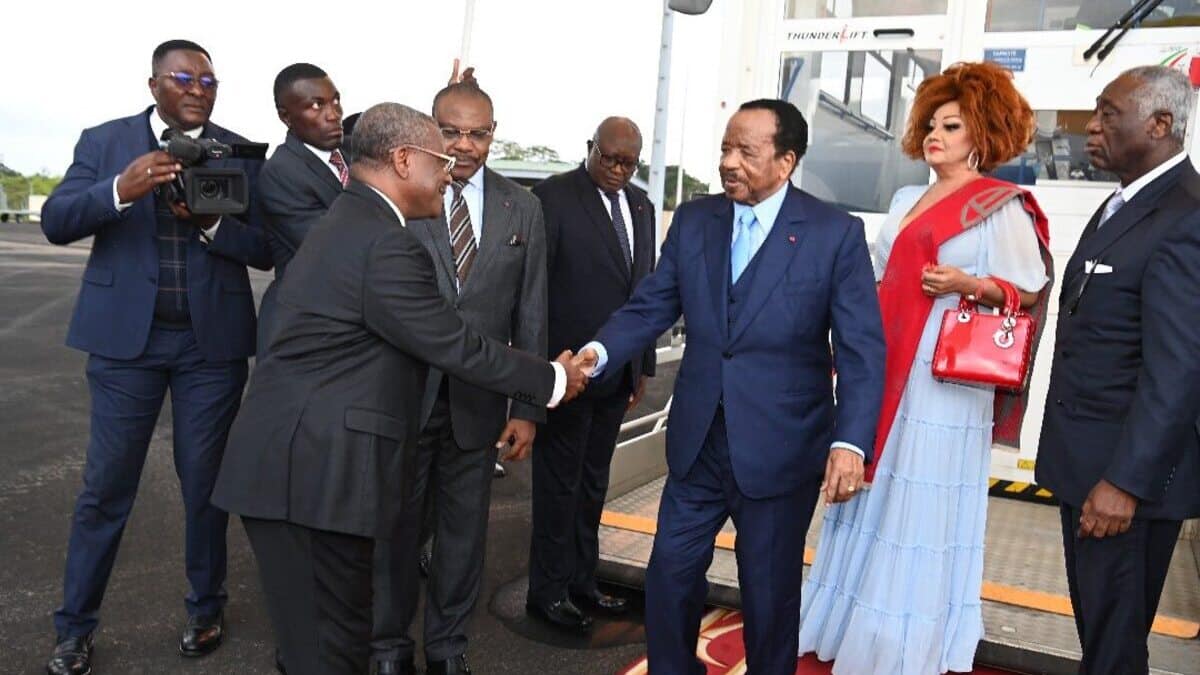
Cameroon’s political landscape has come under intense scrutiny following President Paul Biya’s extended stay in Europe. The Head of State left Cameroon on June 7, 2026, supposedly for a “short private visit,” as stated in an official statement from his Cabinet Director, Samuel Mvondo Ayolo.
Questions about the President’s prolonged absence have sparked widespread speculation, particularly regarding his health at 93 years old. Despite repeated reassurances from government officials, concerns persist, with some suggesting a potential power vacuum in Cameroon.
It is crucial to clarify that Cameroon’s constitution does not specify any time limit for the President’s absence from the country. Therefore, the mere duration of his stay abroad cannot be used to determine whether the presidency is vacant.
According to the current constitution, a power vacuum can only be declared under three specific circumstances: the President’s death, resignation, or definitive incapacity. However, the term “definitive incapacity” remains undefined in both the constitution and existing laws, leaving room for interpretation.
This ambiguity means that Cameroon’s presidency cannot be declared vacant based solely on the President’s prolonged stay abroad. Legally, he could continue governing the country remotely throughout his term without any legal violation—though questions about political ethics naturally arise.
The prolonged delay in forming a new government following the October 12, 2025 presidential election, coupled with the rushed reintroduction of the Vice-President position, may explain why some are meticulously tracking the number of days President Biya has spent outside Cameroon since June 7, 2026.
Throughout his 43 years in power, President Biya has never signed or published a significant decree from abroad, raising further questions about the current situation.