Chad’s renewed french military ties: a challenge to president déby’s sovereignty stance?
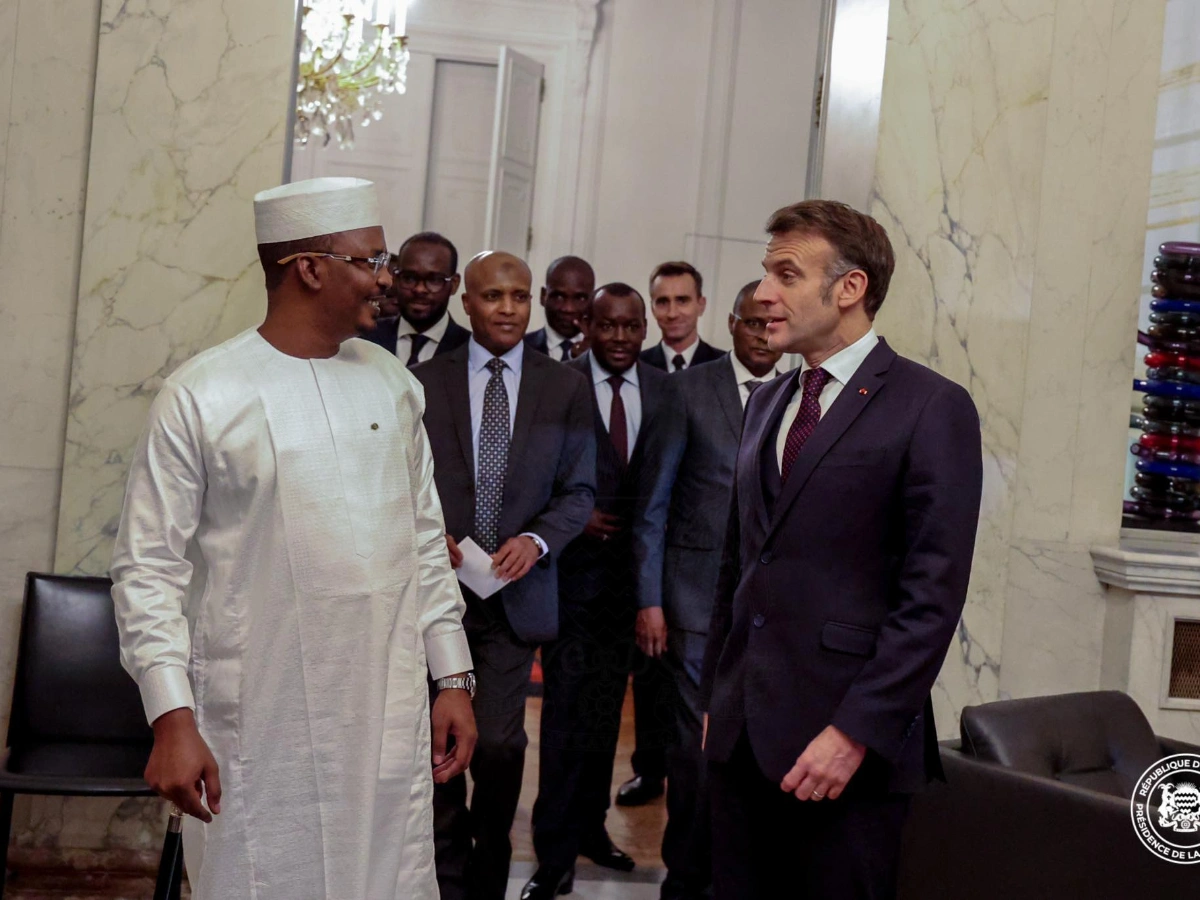
A recent report, published on June 8, 2026, has ignited considerable debate following its revelation of several French officers returning to N’Djamena since mid-April. This move aims to revitalize military cooperation between France and Chad, occurring less than two years after a pivotal decision ended France’s military presence in the country. This development prompts critical analysis of its potential impact on President Mahamat Idriss Déby Itno’s public image and the very credibility of his political platform since assuming power.
The return of French officers to N’Djamena to revive Chad France military cooperation raises critical questions about President Déby’s commitment to national sovereignty.
Despite assertions from Paris that permanent forces are not being redeployed on Chadian territory, the mere recommencement of military cooperation and intelligence sharing prompts serious scrutiny regarding its ramifications for President Mahamat Idriss Déby Itno’s reputation and the credibility of the political narrative he has championed since his ascent to power.
A direct challenge to sovereignty and pan-African ideals
In the aftermath of the French forces’ departure, President Déby consistently portrayed the decision as a triumph for national sovereignty and a reclaiming of the state’s strategic independence. He intertwined this narrative with a broader discourse advocating for liberation from foreign dependencies and the cultivation of balanced partnerships, aligning with the burgeoning pan-African movement gaining traction across the region.
Consequently, the re-establishment of Chad France military cooperation, even in a restricted capacity, risks being perceived as a retreat from one of the most significant sovereign decisions highlighted by the regime. This perception is amplified by the fact that Chadian authorities had previously justified the termination of military agreements by citing a lack of tangible results and considerable popular pressure demanding the departure of French troops.
Potential damage to Chad’s regional standing
Over the past two years, Chad successfully cultivated an image as an influential regional power in security matters, demonstrating its capacity to address threats through collaboration with neighboring states and the diversification of its international alliances. President Déby himself has actively positioned Chad as a crucial regional mediator and an indispensable player in stabilization efforts across the Sahel and Central Africa.
However, a return to reliance on French intelligence could undermine this carefully constructed image, potentially creating the impression that N’Djamena has, after all, failed to emancipate itself from its traditional partner, despite persistent rhetoric promoting strategic autonomy.
Furthermore, it is crucial to acknowledge a fundamental aspect of this complex situation: the decision to end the French military presence was partly a response to widespread public demand, evidenced by numerous demonstrations calling for France’s withdrawal from Chad. Any renewed rapprochement with Paris, therefore, risks provoking significant discontent among a segment of the public that viewed the French departure as a hard-won sovereign achievement not to be compromised.
France: a past adversary now a security partner
The inherent paradox of this situation lies in France’s dual role: while now re-engaging as a security partner, it has simultaneously been a significant source of pressure on Déby’s regime over the last two years.
In July 2024, the French judiciary pursued investigations into allegations against the Chadian president and several family members, concerning suspected embezzlement of public funds and lavish expenditures on luxury hotels, high-end vehicles, and expensive attire. These cases were notably reactivated in March 2026, fueling speculation about potential asset freezes and account blocks linked to the presidential family.
The resumption of cooperation with a state that has utilized its judicial and media institutions to personally target the head of state raises legitimate questions about the depth of political trust that can genuinely exist between the two parties.
Concurrently, France hosted a major gathering of Chadian political and politico-military opposition groups in Nantes in October 2025. Nearly twenty organizations and movements participated, aiming to coordinate their political, diplomatic, and military strategies against the N’Djamena authorities.
Paris also played a notable role in the Succès Masra affair, including the involvement of French lawyers in his defense, efforts to facilitate his transfer to France for medical treatment, and the extensive media coverage of his case within the French Parliament and various European and international institutions.
Balancing security imperatives with political costs
While Chad undoubtedly confronts escalating security challenges in the Lake Chad region and along its eastern and northern borders, the central question now is whether the potential security advantages of renewed engagement with Paris justify the significant political and symbolic cost of such a move.
President Déby has largely built his legitimacy upon a discourse centered on sovereignty, independence, and a rejection of any foreign dependency. Any re-establishment of Chad France military cooperation could therefore weaken the credibility of this narrative, providing his political adversaries with an opportunity to challenge the sincerity of the sovereignist project he has advocated for years.
Ultimately, a crucial question remains: how can a return to a political, media, and judicial partner—one that has hosted opposition figures, criticized the regime, and exerted pressure on it across various issues—be justified to the public as an indispensable ally for the nation’s future security?
Related Posts