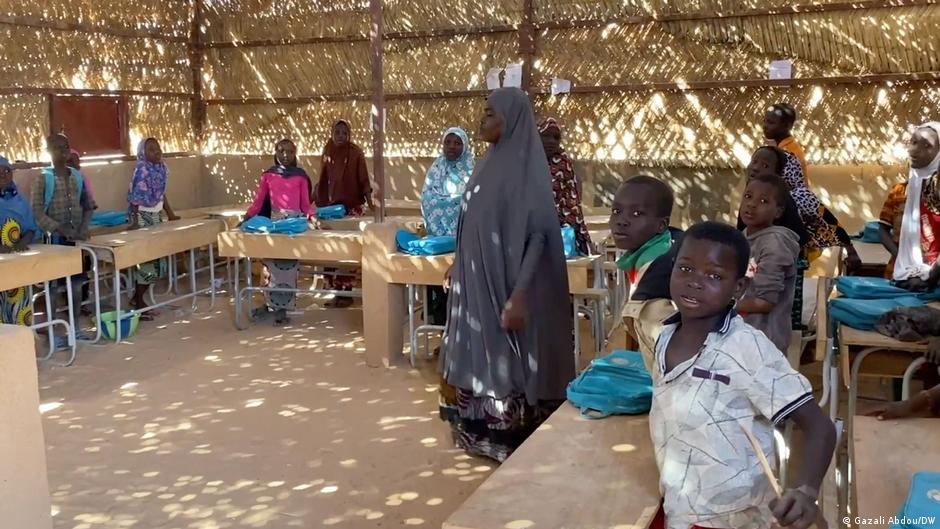
In the heart of Gaya, a town nestled in southwestern Niger, an innovative school program is redefining how the next generation perceives their fundamental rights. During a special lesson marking African Child Day, young students between 9 and 12 years old gathered in the schoolyard to reflect on their rights beyond traditional academic subjects.
The classroom discussion took an unexpected turn when the teacher asked the children to share their newfound understanding. Without hesitation, small voices rose with insights that belied their age:
- “I used to think rights were only for adults—like driving or voting.”
- “We have the right to medical care when we’re sick, and no one can hurt us.”
- “We can express our needs freely. Parents and teachers should listen. If we need something, we can say it without being punished.”
The lesson had just begun, but its impact was already spreading through the corridors of the school.
Morality lessons that resonate beyond textbooks
This isn’t a standard civics class. At this school in Gaya, morality education is the vehicle for teaching children about their rights from an early age. According to Omar, a curriculum advisor closely involved in the program, the approach evolves as students progress through school levels:
- In preschool, children learn through stories and songs about their right to education and health.
- By primary school, the focus shifts to morality classes where the foundations of human rights are introduced.
- In secondary school, civic instruction expands their understanding further.
Aïssatou, the classroom teacher, has witnessed firsthand how these lessons spark curiosity and empowerment in her students. “The moment the bell rings, the conversation doesn’t stop. The children are eager to apply what they’ve learned. They don’t just memorize—they act. It’s remarkable how much they retain and integrate into their daily lives.”
Gaps in access leave many behind
Yet not all children benefit from such enriching education. Some drop out early, navigating adulthood without ever grasping the concept of rights. One such child, an 11-year-old seen collecting plastic bottles in the streets, quietly confessed, “Rights are for grown-ups, not for us.”
His words underscore a critical gap in the system—one that demands urgent attention. Education about rights must extend beyond classroom walls and reach every child, regardless of their circumstances.
As the school bell rings at the end of another day, the echoes of these lessons linger—not just in Gaya, but across communities where the seeds of awareness are being planted in young hearts and minds.