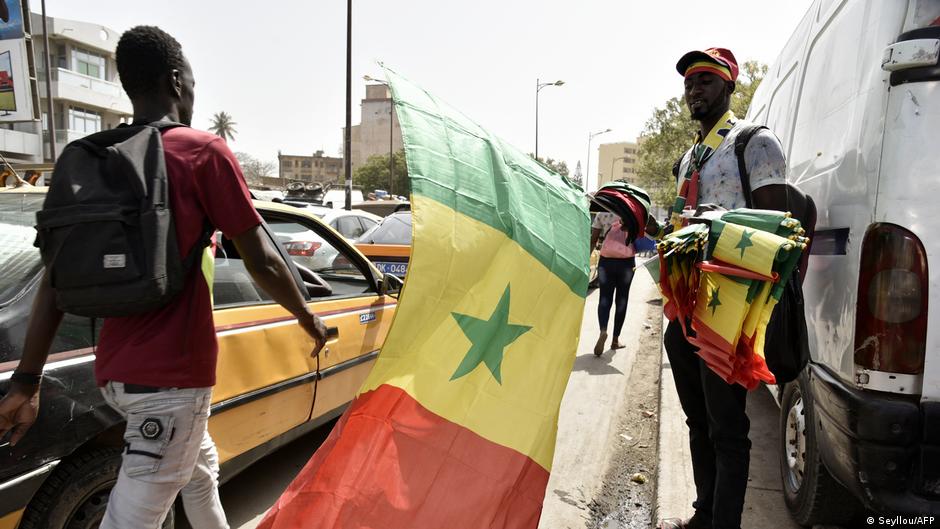
The bustling streets of Pikine’s Baux Maraîchers station bear witness to the annual exodus toward Touba. This year, however, pilgrims face an unprecedented hurdle: skyrocketing transport fares that threaten to strain already tight budgets.
Prices triple for the journey to Touba
Where a standard ticket from Dakar typically ranges between 3,000 and 5,000 West African francs, travelers are now confronted with demands of 8,000 to 10,000 francs per seat—depending on comfort levels. Fallou, a local broker at the station, explains the stark reality: “All these vehicles head to Touba today. You can choose between a small, non-air-conditioned car for 10,000 francs or a slightly larger, air-conditioned bus at 8,000 francs. These are the rates today because traffic on the Touba road is unbearable.”
Mamadou, a frequent traveler to Touba, expresses frustration over the surge: “They always hike prices during major events. Touba isn’t far, and normally we pay far less. These times are tough—they shouldn’t exploit us like this. But I have no choice; my family awaits me, and we must welcome our guests.”
Empty returns, full tanks: the cost of congestion
Bour Guewel, a veteran driver with nearly three decades of experience, offers another perspective. “Going to Touba, we’re packed with passengers. But returning? It’s nearly empty, despite filling up the tank twice.” Traffic jams near Touba force drivers to spend hours idling, burning fuel without earning fares. “We raise prices simply to break even.”
The public transport operator Dakar Dem Dikk maintains a fixed fare of 4,000 francs, but demand far outstrips supply. Their buses, unable to accommodate bulky luggage, leave many pilgrims stranded with limited options.
An annual dilemma
For decades, the Grand Magal has drawn millions to Touba, and each year, the same pattern emerges: drivers capitalize on the surge in travelers, while pilgrims accept the inflated costs out of necessity. Despite public outcry, the cycle continues—a reminder of the fragile balance between faith and economics.