clampdown on civic space in Burkina Faso under military rule

Over the past week, Burkina Faso has witnessed a sharp escalation in state pressure on civic freedoms. The arrest of imam Mohamed Ishaq Kindo and the three-month suspension of the Union générale des étudiants du Burkina Faso (UGEB) underscore the junta’s tightening grip. This pattern of repression is reshaping public discourse and silencing dissent across the country.
Imam Kindo’s arrest fuels fear and misinformation
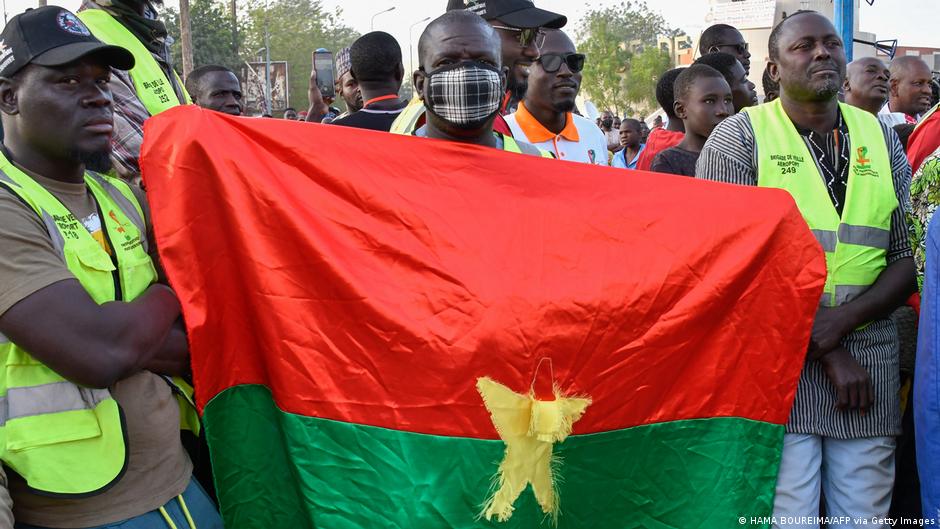
On the eve of Eid al-Adha, masked security forces reportedly detained imam Mohamed Ishaq Kindo at his home in Ouagadougou. His arrest sparked immediate backlash: protesters clashed with authorities, dozens were detained, and a false statement claiming his death circulated online before being officially refuted.
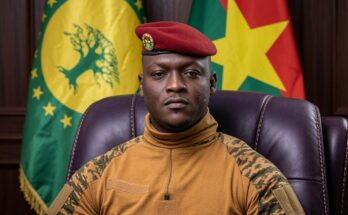
Kindo was known for his critical stance on public policy, particularly a draft law regulating religious practices. He had previously supported Captain Ibrahim Traoré but maintained an independent voice, challenging government decisions. As Newton Ahmed Barry, a Burkinabe journalist in exile, notes: “Kindo was one of the few Muslim leaders who, while initially backing Traoré, never hesitated to question public policies.”
Observers have drawn comparisons with Mali’s imam Mahmoud Dicko, but Barry cautions against conflating the two figures: “Kindo operated within a framework of religious oversight as a member of the Federation of Islamic Associations of Burkina Faso (FAIB). His role was rooted in preserving Islamic doctrine, not political mobilization.”
UGEB suspension: students targeted for speaking out
The junta’s decision to suspend UGEB, Burkina Faso’s oldest student union founded in 1960, marks another step in its campaign against organized dissent. Union president Bazo Wilfried and several members were arrested after condemning the deteriorating security situation and accusing authorities of failing to protect civilians.
UGEB’s leadership had described the crisis as a “civil war” and criticized the junta’s inability to restore stability. Mahamadou Idder Alghabid, deputy secretary-general of the Alliance of Sahel Democrats (ADS), condemns the charges as baseless: “Calling unarmed students ‘terrorist sympathizers’ is a tired script across the Sahel. Criticism is criminalized, and dissent is equated with treason.”
Regional pattern: silencing dissent in the Sahel
Burkina Faso is not alone. In Mali and Niger, similar tactics are being used to suppress opposition. Human rights advocates warn that the line between legitimate criticism and criminal offense is increasingly blurred. Organizations are dissolved, activists face judicial harassment, and freedom of expression is systematically restricted.
Alghabid emphasizes the regional nature of this repression: “When voices rise, they are labeled enemies of the state. The strategy is clear: instill fear to ensure compliance.”
Resistance persists despite repression
Despite the risks—arrests, abductions, and violence—opposition voices continue to challenge military rule. Many activists operate from exile, leveraging digital platforms to expose abuses and rally support. The ADS’s Alghabid remains defiant: “These regimes promised sovereignty and anti-imperialism, but their promises ring hollow. People are waking up to the reality of their lies. Every day, more are turning away from the juntas.”
Newton Ahmed Barry echoes this sentiment, predicting long-term consequences for the junta: “Excesses weaken authoritarian regimes. Ibrahim Traoré’s grip will falter because society will not endure oppression forever.”
Call for international solidarity
Human rights organizations urge global actors to reject ambiguity. Ilaria Allegrozzi of Human Rights Watch stresses: “Supporting civic space is not counterproductive—silence only legitimizes authoritarianism. The international community must stand firm in condemning rights violations.”
As the junta consolidates power, the question of legitimacy looms large. Human Rights Watch warns: “Military coups cannot become the new norm. Unchecked repression and rights abuses must be named and confronted.”