Democratic Republic of the Congo: constitutional reform proposal ignites fierce debate
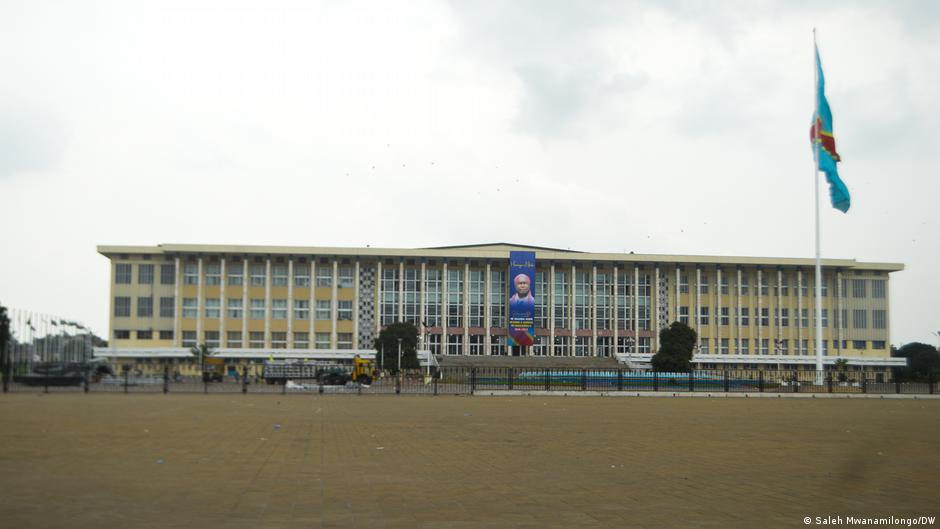
The National Assembly’s adoption of the constitutional reform bill on May 27 has intensified the already volatile political climate in the Democratic Republic of the Congo. What began as a technical adjustment has now become a flashpoint, dividing opinion between those advocating for structural change and those warning of a power grab.
The government argues that revising the Constitution is essential for modernizing state institutions and aligning them with contemporary challenges. Proponents highlight potential benefits such as enhanced governance efficiency and clearer separation of powers. Yet critics argue that the timing is inappropriate, given pressing security and economic concerns that demand immediate attention.
youth voices split over reform’s implications
With over half the population under 30, the youth of Kinshasa are at the heart of this debate. Some young activists see the reform as a historic opportunity to redefine the nation’s institutional foundations, fostering stronger democracy and accountability. Others, however, question the government’s priorities, pointing to widespread poverty, unemployment, and persistent insecurity in eastern regions as more urgent crises requiring urgent solutions.
katumbi’s bold warning: “this is a red line”
Prominent opposition figure Moïse Katumbi has emerged as one of the most vocal critics of the reform. In a recent statement, he declared, “A Constitution is not a shirt you change at will.” His remarks underscore what he describes as a dangerous deviation from democratic norms, accusing the administration of attempting to consolidate power under the guise of reform.
Katumbi’s coalition, C64, is taking direct action. On June 9, they announced plans to file a legal complaint against President Félix Tshisekedi, accusing him of attempting to seize power through unconstitutional means. While legal experts suggest the lawsuit may have limited immediate impact, it signals a deeper escalation in political confrontation.
Jonas Ngalamulume, a constitutional lawyer, cautions that while the lawsuit carries symbolic weight, its legal consequences may be minimal. Yet, he acknowledges that such actions amplify public discourse and increase pressure on state institutions to justify their actions.
As opposing factions dig in their heels, the constitutional reform has evolved from a procedural matter into a defining political crisis. The outcome will hinge not only on legal interpretations but also on the reaction of civil society, the international community, and most importantly, the Congolese people themselves. With stakes this high, the nation stands at a crossroads—one where the future of its democracy may be decided.