eastern DRC’s Uvira holds its breath as peace talks stall
Residents of Uvira, a bustling lakeside town in eastern Democratic Republic of the Congo (DRC), find themselves in a state of limbo. Months after international pledges for peace, particularly from former United States President Donald Trump, the promise of stability remains unfulfilled. The town’s markets, schools, and homes continue to grapple with the shadow of conflict, leaving locals to question when—or if—relief will arrive.
a town under pressure: life in Uvira amid unmet promises
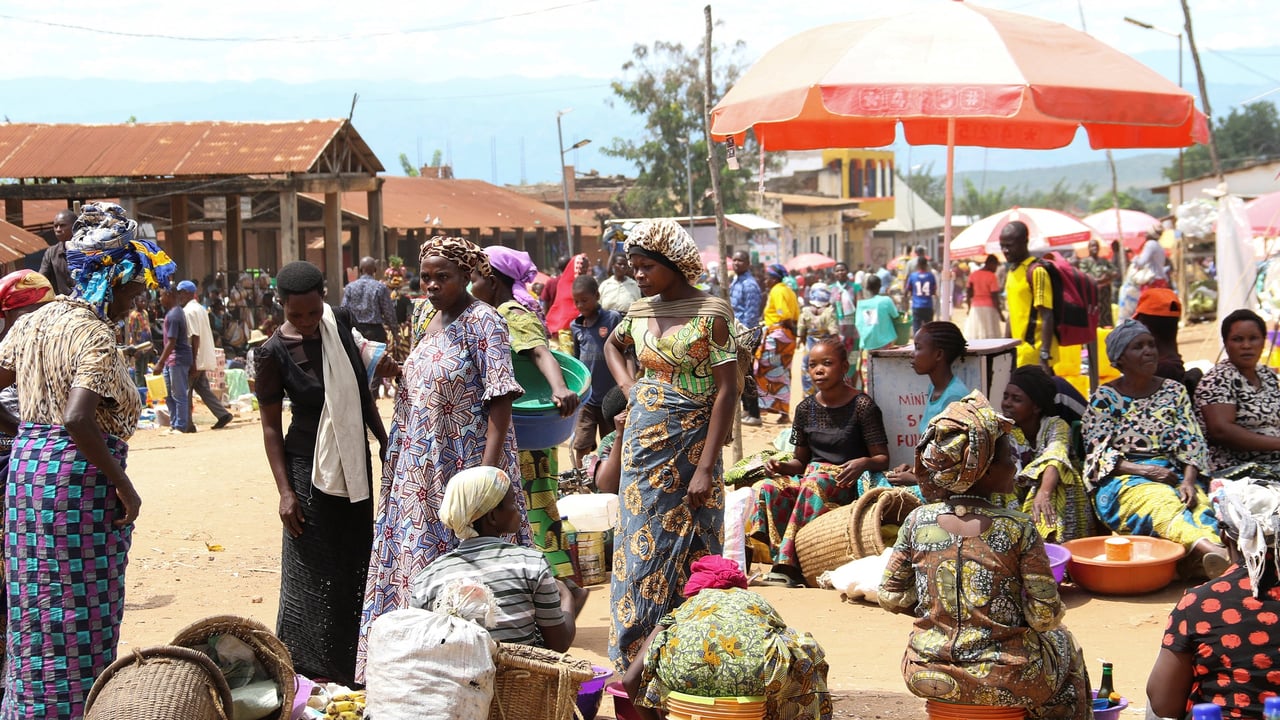
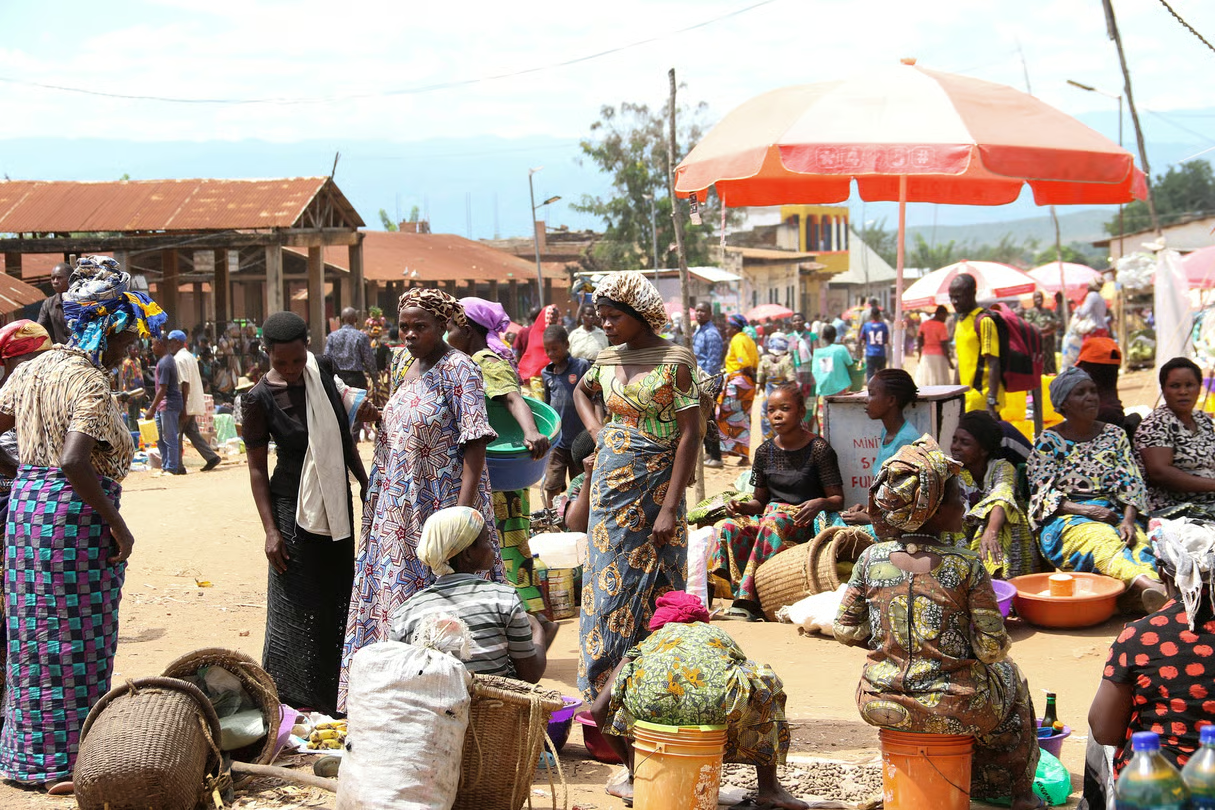
Uvira, a strategic hub in South Kivu, has long been a flashpoint in the region’s turbulent history. Local traders and families describe a daily existence shaped by insecurity and the lingering threat of violence. While diplomatic efforts have gained traction on paper, the tangible benefits for ordinary citizens remain elusive. “We are living on borrowed time,” confided a merchant at the town’s central market, echoing the sentiments of many who feel abandoned by the slow pace of change.
Schools remain open, but attendance fluctuates as parents weigh the risks of sending their children to class. Healthcare facilities, already stretched thin, struggle to meet the needs of an increasingly anxious population. The absence of a lasting ceasefire has only deepened the uncertainty, with armed groups maintaining a visible presence in surrounding areas.
key players and shifting dynamics in the peace process
The stalled negotiations have drawn attention to the roles of regional leaders, including Rwandan President Paul Kagame and DRC President Félix Tshisekedi. While both have publicly committed to dialogue, critics argue that their competing agendas have hindered progress. Tshisekedi has repeatedly called for international support to curb the activities of armed factions, while Kagame has emphasized the need for regional cooperation to address root causes of instability.
Analysts suggest that the lack of a unified approach among stakeholders has allowed the conflict to persist. Donald Trump’s earlier intervention—though welcomed by many—has yet to translate into concrete action on the ground. Local leaders in Uvira express frustration over the delay, emphasizing that time is a luxury they cannot afford.
what’s next for Uvira and the wider region?
The question on everyone’s mind is whether the peace talks will ever yield results or if Uvira must brace for further turmoil. With M23 rebels and other armed groups still active, the potential for escalation looms large. Humanitarian organizations warn that prolonged instability could trigger a new wave of displacement, exacerbating an already dire humanitarian crisis.
For now, the people of Uvira continue to navigate their daily routines under a cloud of uncertainty. The international community’s delayed response has left many questioning the sincerity of past commitments. As the wait drags on, the town’s resilience is tested, and the hope for peace grows fainter with each passing day.