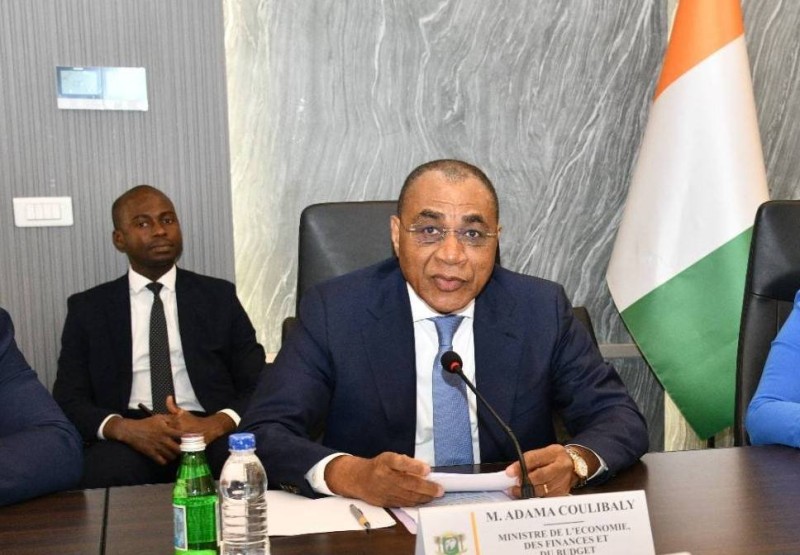
In a stern warning issued from Abidjan, the Ministry of Economy, Finance and Budget of Côte d’Ivoire has raised the alarm over a surge in fraudulent online schemes targeting unsuspecting citizens. The announcement comes amid growing concerns about cybercrime in the region, as authorities urge the public to remain vigilant against deceptive financial opportunities circulating on social platforms.
False promises of easy wealth under scrutiny
According to the ministry, scammers have been circulating misleading advertisements that falsely claim to offer official financial programs. These fraudulent schemes lure individuals with the false promise of earning up to two million West African francs per month—without any service rendered—simply by completing a registration process. Such claims, the ministry emphasizes, are entirely fabricated and designed to exploit financial desperation.
Investigations reveal that these cybercriminals employ increasingly sophisticated tactics to deceive their victims. Some impersonate high-ranking officials, including the Minister of Economy, Finance and Budget, or use doctored images and fabricated statements to lend credibility to their scams. Their primary goal is to coerce individuals into sharing sensitive personal or banking details.
Government clarifies official stance
The Ministry has categorically denied any association with these fraudulent offers, stressing that no such income-generating schemes exist under its authority. Authorities are actively collaborating with law enforcement to track down the perpetrators and bring them to justice. The government urges citizens to exercise extreme caution when encountering unsolicited online financial opportunities.
Beyond monetary loss, victims of these scams risk identity theft, financial extortion, and even blackmail. The ministry warns that cybercriminals often manipulate victims into compromising personal data, which can lead to long-term security threats.
Call for public awareness and caution
This latest alert follows a broader trend of digital fraud sweeping across West Africa, where social media has become a prime tool for deception. Authorities are calling on the public to verify the legitimacy of financial offers before engaging—whether through official websites, direct inquiries to government offices, or trusted financial institutions.
The Ministry of Economy, Finance and Budget reassures the public that legitimate financial programs are never advertised through unsolicited messages or dubious online platforms. It remains committed to safeguarding citizens from cyber threats and urges anyone targeted by such scams to report the incidents immediately to local authorities.
In these times of digital expansion, vigilance is the first line of defense against online fraud.