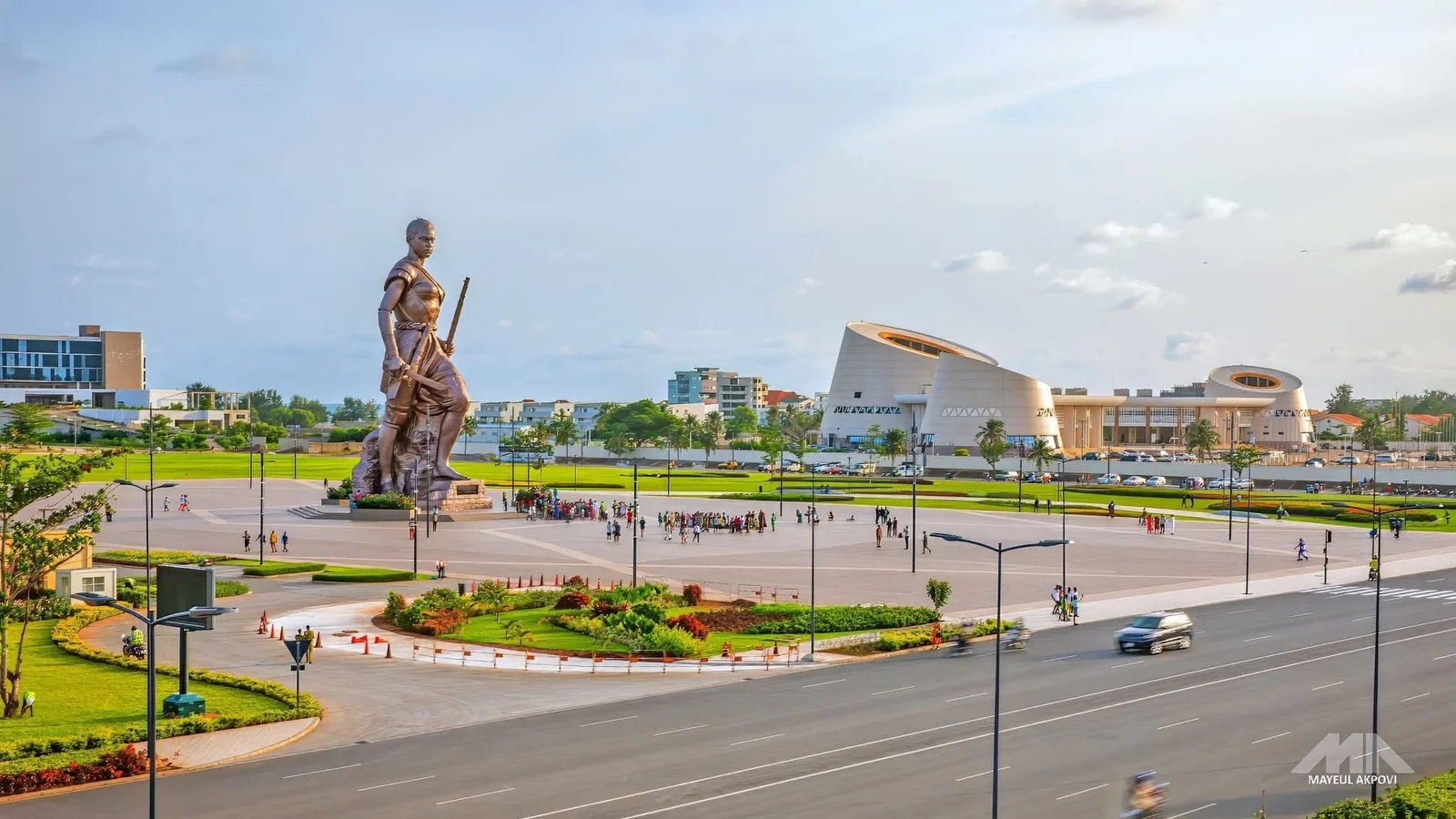
Cotonou has secured a historic recognition in Africa’s urban development landscape. According to the 2025 Africa’s Cleanest Cities Index, the Beninese capital has claimed the top spot in West Africa and ranks third continent-wide. This milestone underscores the city’s commitment to enhancing urban sanitation, waste management, and public space upkeep.
With a score of 7.6 out of 10, Cotonou’s ascent marks a significant leap from its previous sixth-place standing. The improvement reflects heightened resident satisfaction with urban cleanliness and highlights the city’s sustained efforts to elevate living standards across all neighborhoods.
The ranking is based on a survey of 7,877 responses, primarily from permanent residents who assessed the cleanliness levels of their cities. Beyond the numerical achievement, this result serves as a vital indicator of public sentiment toward the city’s environmental quality and daily living conditions.
Strategic initiatives driving Cotonou’s cleanliness transformation
Several targeted interventions have propelled Cotonou to the forefront of African urban sanitation. Key measures include:
Waste collection overhaul: Implementation of structured household waste collection systems to reduce indiscriminate dumping and littering.
Public space maintenance: Regular cleaning and upkeep of streets, markets, and recreational areas to ensure hygiene and accessibility.
Infrastructure investments: Upgrades to sanitation facilities and drainage systems to support long-term cleanliness and resilience against flooding.
In 2024 alone, Cotonou processed over 14,000 metric tons of household waste monthly a testament to the scale of operational efficiency and logistical coordination required to maintain urban hygiene in a rapidly expanding metropolis.
A call for sustained investment and community engagement
The recognition is more than a symbolic achievement; it validates Cotonou’s strategic approach to urban management. However, maintaining this progress demands continuous action:
Strengthening public services: Ensuring consistent waste collection schedules and efficient service delivery across all districts.
Enhancing citizen participation: Encouraging community-led cleanliness campaigns and waste reduction initiatives to foster a culture of shared responsibility.
Expanding infrastructure: Prioritizing long-term projects to modernize sanitation networks and improve waste treatment capabilities.
While the third-place ranking celebrates past successes, Cotonou’s leadership now faces the challenge of preserving these gains amid rapid urbanization. The city’s model demonstrates that measurable cleanliness improvements are achievable through deliberate policy execution and robust public engagement.
What sets Cotonou apart from other African cities?
The city’s rise reflects a broader shift in Africa’s urban governance priorities. Unlike periodic cleanliness drives, Cotonou’s approach prioritizes:
Systematic waste management: Deploying data-driven strategies to optimize collection routes and reduce operational inefficiencies.
Resident-centric services: Tailoring sanitation solutions to community needs and incorporating feedback into policy adjustments.
Transparent accountability: Publishing performance metrics and progress reports to maintain public trust and civic participation.
By embedding these principles into its urban development framework, Cotonou has redefined what it means to be a clean and sustainable African city. As the continent continues to urbanize, its achievements offer valuable insights for policymakers and urban planners seeking to replicate similar successes.
By Jeanne Ntouba — Journalist