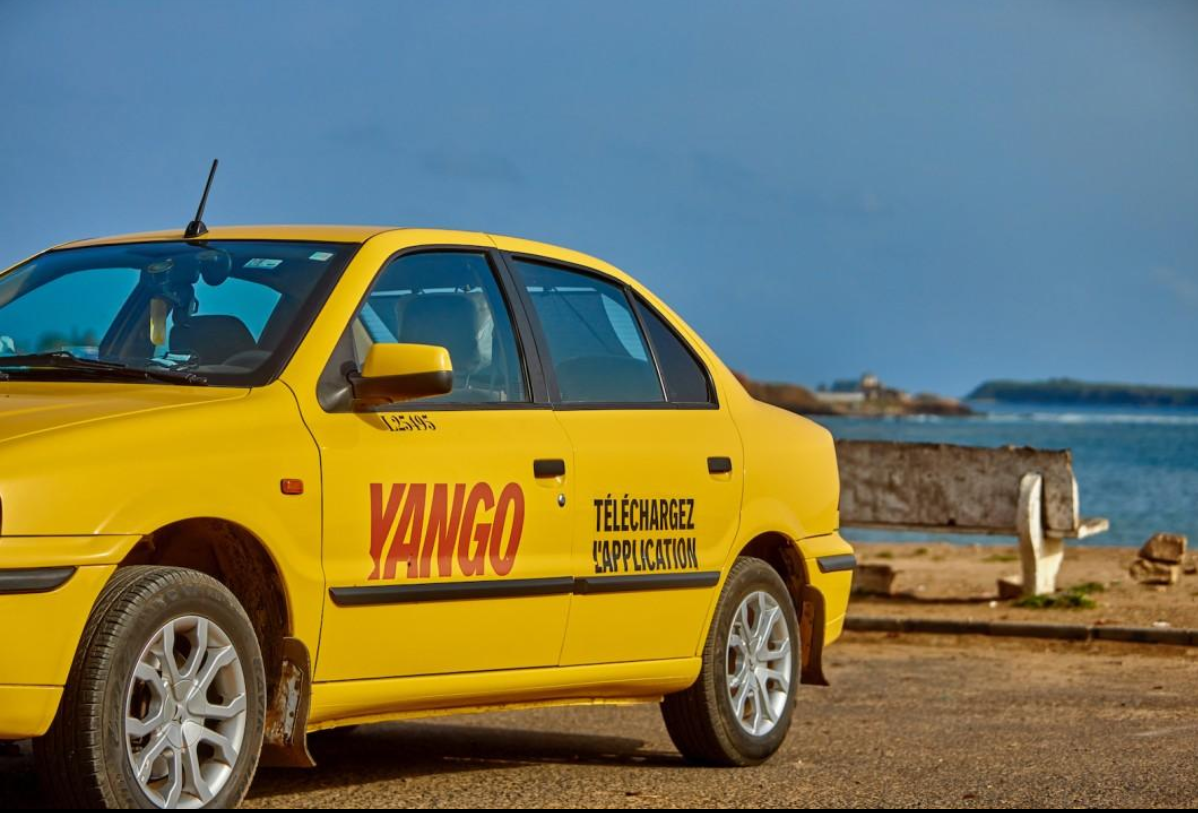
Dakar’s transportation sector is facing a severe reckoning after multiple women came forward with harrowing accounts of sexual assault, armed threats, and thefts attributed to a driver allegedly operating through the ride-hailing app Yango. The accusations have ignited widespread outrage, thrusting the safety of female passengers into the spotlight and exposing critical gaps in the oversight of digital transport platforms.
Unverified claims versus platform accountability: a troubling disconnect
Yango, a prominent ride-hailing service in Senegal, has faced intense scrutiny following testimonies from women who allege they were targeted by a single driver. Reports describe disturbing patterns: ordinary trips that suddenly deviate under false pretenses, leading to isolated locations where victims say they were locked in the vehicle, threatened with a knife, and forced to unlock their mobile payment apps.
The alleged incidents span routes between Mbour and Dakar, with victims recounting a calculated sequence of threats and violence. While Yango acknowledged the accusations in a public statement, the company asserted that its initial system checks failed to locate any matching reservations. This discrepancy raises serious questions about driver verification processes and whether the implicated individual was ever officially affiliated with the platform.
Systemic gaps: when ride-hailing apps fail to safeguard women
Yango’s response has done little to quell public skepticism. The controversy has laid bare systemic vulnerabilities in Senegal’s ride-hailing industry, particularly concerning the recruitment, monitoring, and accountability of drivers. Key concerns include:
- Background checks: Are criminal records screened before drivers are hired?
- Real-time monitoring: Do platforms have systems to detect suspicious behavior or route deviations?
- Emergency protocols: What immediate actions are taken when a passenger reports a threat?
- Transparency: Why did Yango’s initial search fail to identify the disputed trip?
For many women, ride-hailing apps offer convenience and perceived safety—but these alleged crimes have shattered that trust. The case underscores the urgent need for stricter regulations and independent oversight to prevent such incidents from recurring.
Civil society demands justice and systemic change
Women’s rights advocates and activist groups have been vocal in their condemnation of the situation. Organizations like WaxJotNa have called for a thorough investigation, emphasizing the need for accountability and support for victims. Their demands include:
- A comprehensive audit of Yango’s driver verification and monitoring systems.
- Stricter licensing requirements for ride-hailing platforms operating in Senegal.
- Mandatory safety training and background checks for all drivers.
- Clear legal frameworks to determine the liability of platforms in criminal cases involving their drivers.
The movement argues that these reforms are long overdue and that the sector’s rapid growth has outpaced its commitment to passenger safety.
Legal gray areas: who bears the responsibility?
The question of accountability looms large. Can a ride-hailing platform be held legally responsible for crimes committed by its drivers? The answer hinges on several factors, including the platform’s legal status, contractual obligations, and the specific circumstances of the alleged offenses.
While Yango has pledged cooperation with authorities, the lack of conclusive evidence linking the driver to the platform complicates the case. Legal experts suggest that unless gross negligence or systemic failures are proven, the company may avoid direct liability. However, the reputational damage and public backlash may force the industry to adopt more rigorous standards.
A turning point for Senegal’s ride-hailing industry?
This crisis could mark a watershed moment for digital transport in Senegal. The allegations against Yango highlight a fundamental flaw: technology alone cannot ensure safety without robust safeguards. As the sector expands, the onus is on platforms to prioritize passenger protection over profit.
For women who rely on ride-hailing apps, the question is no longer just about convenience—but survival. The demand for accountability extends beyond Yango; it’s a call for an entire industry to prioritize the basic right to safety for every passenger.
What’s next? Calls for urgent reform
The fallout from this controversy is far from over. As investigations unfold, the focus must remain on three priorities:
- Uncovering the truth: Establishing whether the accused driver was ever affiliated with Yango and identifying all victims.
- Protecting passengers: Implementing real-time safety features, such as mandatory ride-sharing and driver identity verification.
- Regulating the sector: Enacting laws that hold platforms accountable for failures in due diligence and oversight.
The outcome of this case will shape the future of ride-hailing in Senegal—and could set a precedent for other countries grappling with similar challenges.