Core Challenge
How can Cotonou’s bustling port area support street food vendors while ensuring strict hygiene and safety for both sellers and customers?
Innovation in Action
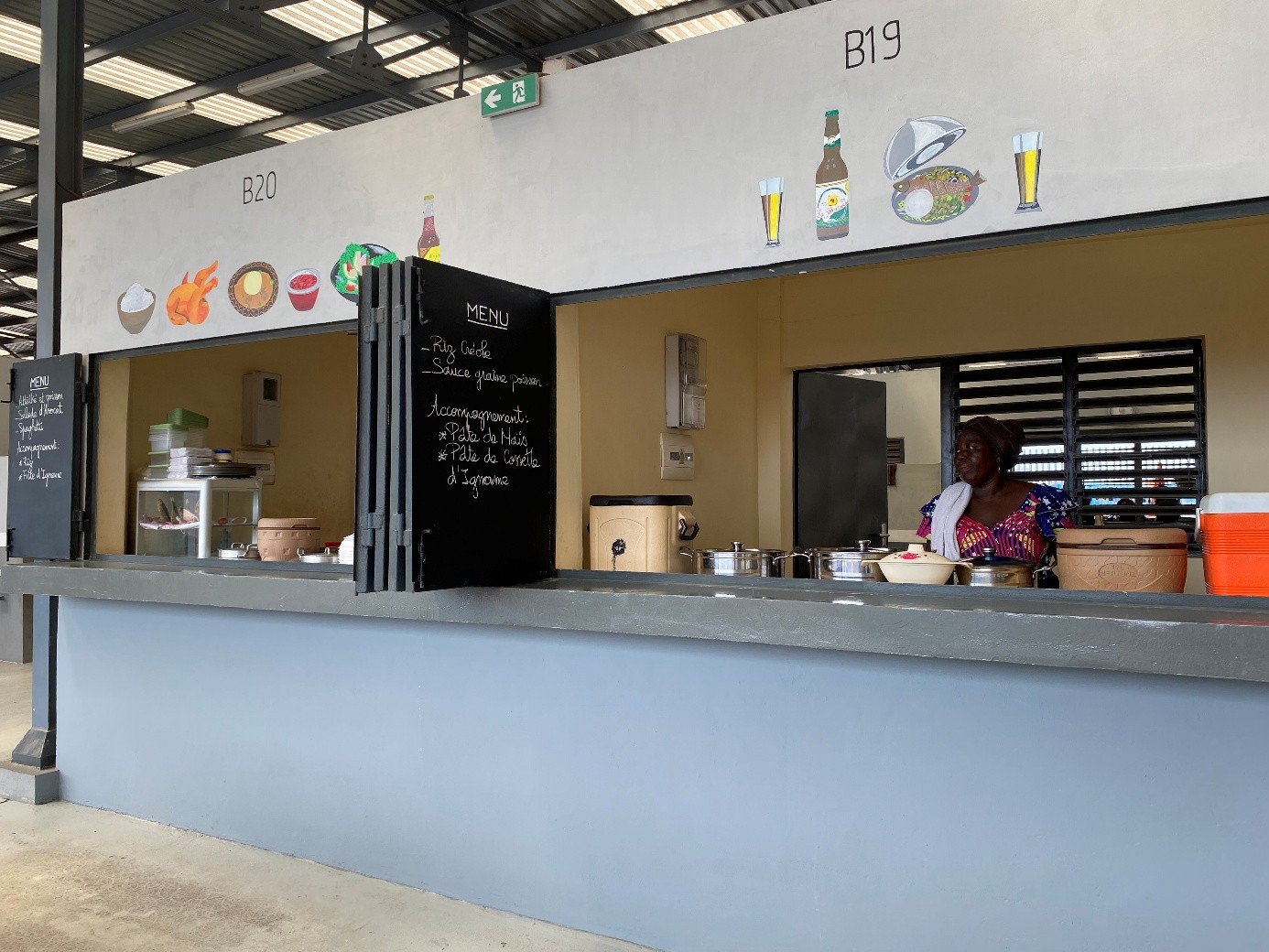
The Port Autonome de Cotonou (PAC) tackled this pressing issue by launching a groundbreaking initiative that transformed how vendors operate. After identifying critical concerns around unsafe working conditions and food hygiene along the port’s perimeter, authorities engaged in extensive stakeholder consultations. The result? A state-of-the-art facility featuring covered stalls, running water, and reliable electricity—creating a protected environment free from traffic hazards and harsh weather. This forward-thinking approach demonstrates the port’s unwavering commitment to social responsibility and environmental stewardship for local communities.
Transforming Livelihoods Through Infrastructure
As part of its long-term social development strategy, the Port Autonome de Cotonou has invested significantly in upgrading its operations and supporting neighboring populations. In 2024, the port unveiled a 3,000-square-meter covered marketplace equipped with fully functional kitchenettes, sanitation facilities, and essential utilities. Previously, 98 female vendors operated precariously along the roadside, exposed to pollution and unpredictable weather, unable to store inventory or prepare meals safely. Today, they thrive in modern, hygienic conditions, serving port workers and nearby residents while expanding their customer base. The relocation has already boosted sales by 20%, with ongoing data collection tracking further benefits such as reduced waste and incident rates. The total project investment exceeded 600 million CFA francs, with input from all stakeholders shaping the design and implementation.
Related Posts