Unrest in Cotonou as mutinous soldiers briefly seize national TV
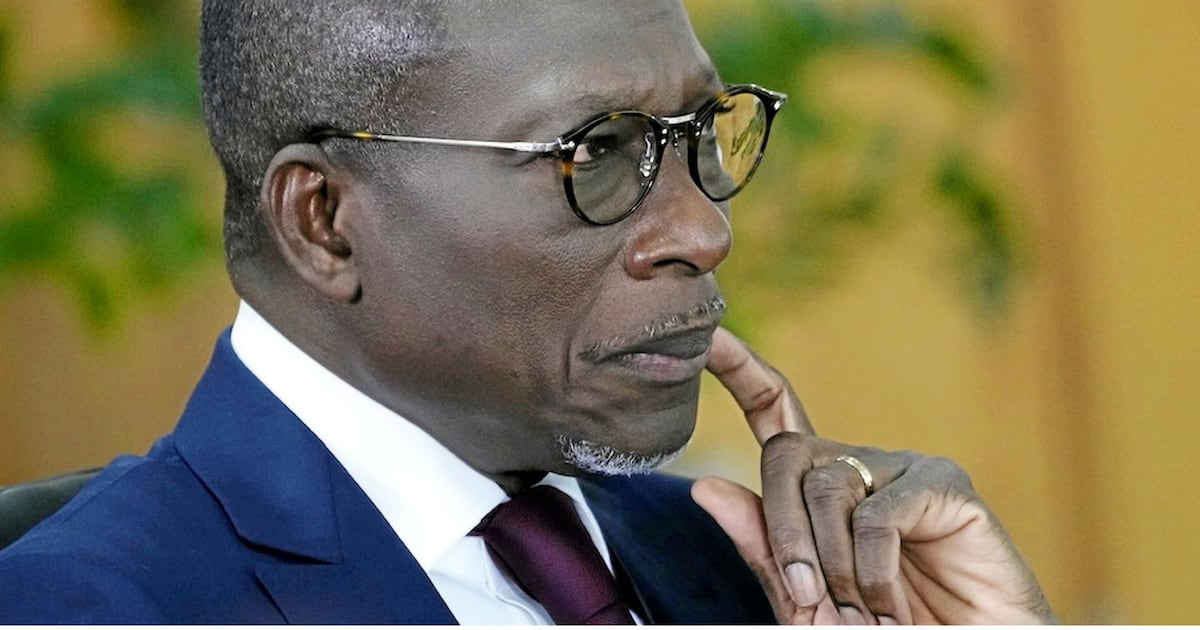
In the early hours of Sunday, December 7, a faction of disgruntled soldiers launched a brief but audacious coup attempt against President Patrice Talon’s administration. The insurgents seized control of the national broadcaster SRTB in Cotonou, declaring on air that they had removed the head of state. The 67-year-old president, who is constitutionally required to step down in April 2026 after two terms, was swiftly relocated to safety as loyalist forces reclaimed key locations across the capital.
According to security sources, the mutineers first targeted the presidential residence in the Guézo district but were repelled by elite guard units. By mid-morning, the economic hub was under heavy military surveillance, with helicopters patrolling overhead and troops securing strategic sites. The situation gradually stabilized throughout the day, marking an unprecedented challenge to stability in a nation that had not witnessed a coup since Mathieu Kérékou’s rise to power in 1972.
President Talon vows decisive action after violent mutiny
In a televised address aired Sunday evening, President Patrice Talon addressed the nation, declaring: «Our country has endured an act of extreme gravity today. This betrayal will not go unanswered.» He confirmed that several individuals remained held by fleeing mutineers and emphasized the urgent need to restore full security and protect civilians. Tragically, the wife of General Bertin Bada—the president’s military chief of staff—was killed during the assault on their home in Abomey-Calavi, while their daughter was also injured in the crossfire.
Military loyalists crush rebellion with regional support
Interior Minister Alassane Seidou confirmed that the mutiny began at dawn when a small group of soldiers attempted to destabilize state institutions. He praised the armed forces for upholding their oath of loyalty, stating: «The Beninese Armed Forces, true to their republican duty, responded with decisive action to restore order and foil this maneuver. We urge citizens to resume their normal activities.»
Foreign Affairs Minister Olushegun Adjadi Bakari clarified that the vast majority of military personnel remained loyal to Talon, with only a handful of dissidents involved in the plot. Security sources later reported the arrest of at least a dozen soldiers, including suspected ringleaders and one former military officer.
Foreign powers issue warnings amid escalating violence
The attempted coup took a violent turn as insurgents—allegedly backed by external mercenaries—stormed high-ranking residences before advancing toward the presidential palace and broadcasting center. A recorded statement aired on SRTB claimed control under the banner of a «Military Committee for Refoundation», led by Lieutenant-Colonel Pascal Tigri, who declared Talon deposed and suspended all constitutional institutions. Tigri cited grievances over exclusionary governance, voter disenfranchisement, and restrictive legislation as justification for the takeover.
Reacting swiftly, the U.S. and French embassies issued security alerts for their nationals in Cotonou, citing gunfire exchanges near the presidential residence. Meanwhile, the Beninese government requested military assistance from Nigeria, which deployed fighter jets and ground troops to secure the broadcaster and a captured military base.
Chaos and misinformation grip the capital
For hours, misinformation spread unchecked across social media platforms like TikTok, Facebook, and WhatsApp, leaving residents in a state of confusion. By afternoon, gunfire had subsided, and police units occupied key intersections in the city center. A resident from the Cimetière PK-14 district shared: «No one really knows what’s happening, but people are scared of what might come next.»
This brazen attempt comes at a precarious time for Benin, long regarded as a bastion of stability in West Africa. Recent coups in Guinea-Bissau, Madagascar, Niger, Burkina Faso, Mali, and Guinea have heightened regional tensions, raising concerns about democratic backsliding.
Regional bodies condemn coup, deploy stabilizing forces
Both the African Union (AU) and the Economic Community of West African States (ECOWAS) swiftly condemned the mutiny. AU Chairperson Mahamoud Ali Youssouf issued a unambiguous statement, calling on all involved to «immediately cease illegal actions and return to their professional duties.»
ECOWAS announced the deployment of standby troops from Nigeria, Sierra Leone, Côte d’Ivoire, and Ghana to support Benin’s government and republican forces in preserving constitutional order. The regional bloc stressed its commitment to safeguarding democracy in the face of military interference.
Upcoming elections and security challenges under scrutiny
With April’s presidential election looming, Patrice Talon’s second term is nearing its end. The president, a former business magnate in the cotton industry, has remained tight-lipped about his post-presidency plans, though his ruling coalition (Bloc Républicain and UP-R) has already endorsed Finance Minister Romuald Wadagni as his successor.
A recently adopted constitutional amendment—extending presidential and legislative terms from five to seven years—has sparked fierce debate. Critics argue the reform, along with the elimination of the main opposition party’s candidate, unfairly advantages the incumbent camp despite the two-term limit. Meanwhile, northern Benin continues to grapple with jihadist attacks linked to Al-Qaeda, including a deadly assault in April that claimed 54 soldiers’ lives.
Security analysts suggest the mutineers’ grievances may stem from political exclusion and dissatisfaction with Talon’s governance. The full scope of their backing and potential civilian orchestrators remains under investigation, hinting at deeper fractures within Benin’s military and political landscape.