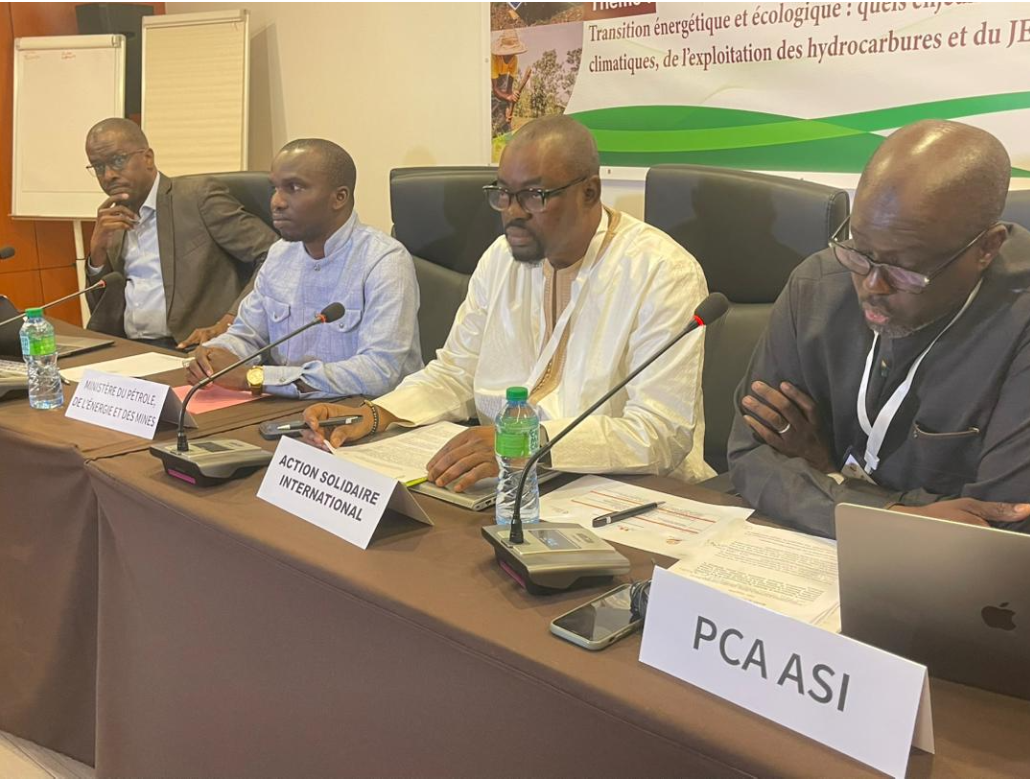
Dakar took center stage this week as experts, policymakers, and civil society leaders converged for the fourth edition of the Environmental and Energy University. The two-day gathering, held on May 19–20, served as a vital platform to advance Senegal green energy transition strategies amid mounting climate pressures and the evolving landscape of hydrocarbon exploitation.
The event drew participation from renewable energy agencies, rural electrification bodies, academics, and NGOs, all focused on fostering dialogue around ecological sustainability and energy innovation. The opening ceremony was led by Dr. Elhadji Ndiaye, who represented the Minister of Petroleum, Energy, and Mines, emphasizing the national significance of these discussions.
Key challenges and strategic priorities
In his keynote address, Dr. Ndiaye underscored how climate change and energy transition have evolved beyond sectoral concerns to become central pillars of economic resilience, social equity, and long-term development. He highlighted the critical role of energy in driving productivity, fostering innovation, job creation, and improving living standards across communities.
Mamadou Barry, President of Action Solidarité Internationale and coordinator of the event, delivered a strong call for urgent action. He warned that Senegal’s vulnerability to climate impacts—such as recurring floods, coastal erosion, and agricultural losses—demands immediate rethinking of development models. “We cannot afford to delay the shift toward a sustainable, sovereign, and climate-resilient future,” he stated.
Barry stressed the need to harmonize hydrocarbon development with climate commitments, noting that while Senegal enters a new era of oil and gas production, renewable energy expansion must remain a national priority. He also advocated for inclusive policy-making, urging greater involvement of climate-affected communities in shaping environmental governance.
Building momentum for sustainable change
The forum fostered cross-sector collaboration, enabling participants to exchange best practices, share research findings, and align on actionable strategies for Senegal’s green energy transition. From renewable energy integration to rural electrification and climate adaptation, the discussions reflected a shared vision: sustainable progress that balances economic growth with ecological responsibility.
As the event concluded, organizers expressed commitment to turning dialogue into tangible policy shifts and community-led initiatives, ensuring that Senegal remains on track toward a greener, more resilient future.