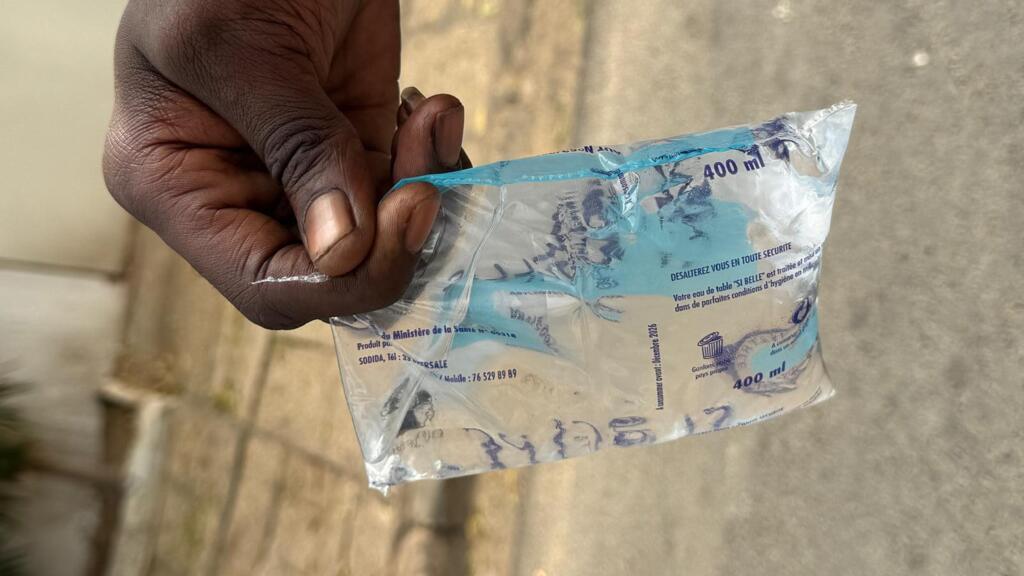
Dakar’s packaged water faces scrutiny after alarming quality study in Senegal
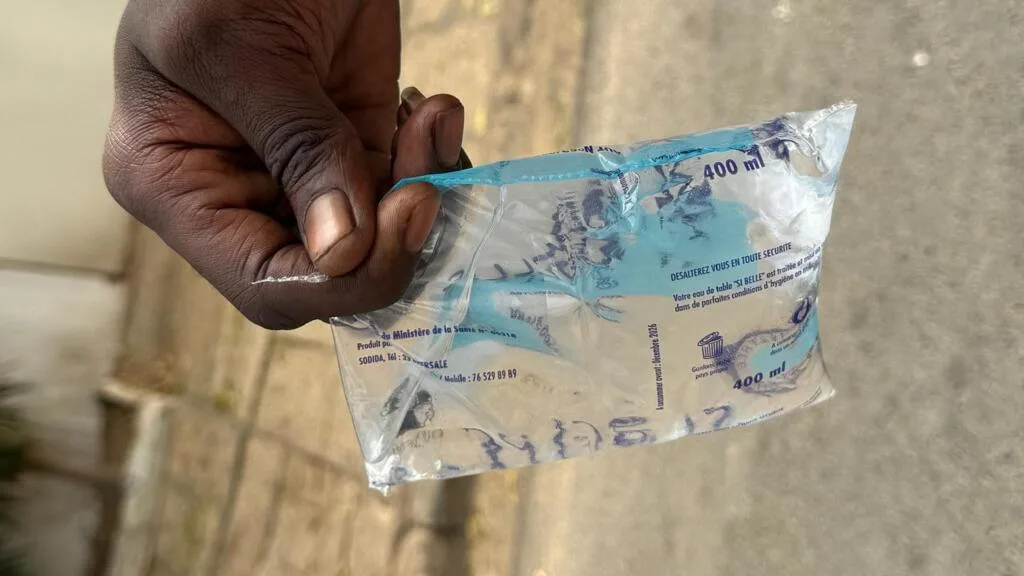
Between August and September 2018, a team of four researchers from the esteemed Cheikh-Anta-Diop University in Dakar undertook a critical investigation into the quality of packaged water. Their study involved collecting 60 sachets of water, a widely consumed product in Senegal due to its affordability, from 15 different brands across five of Dakar’s largest markets: Tilène, Thiaroye, Colobane, Grand-Yoff, and Soumbédioune. These small plastic pouches, typically containing 300 ml to 500 ml of water, are a staple for many residents.
The findings from this extensive sampling were unequivocal and deeply concerning. Two distinct tests, designed to detect the presence of micro-organisms such as molds and bacteria commonly found in the environment or intestinal tracts, revealed contamination levels significantly exceeding the stringent standards set by the World Health Organization (WHO).
A staggering eighty-three percent of the sampled water sachets were found to be contaminated with various bacteriological germs. Furthermore, 15% of the samples showed the presence of coliforms, indicating a potential and alarming contamination by fecal matter. These results underscore a serious public health issue for the population of Dakar.
This widespread contamination signals “defective hygiene in the transformation process,” as highlighted by the university study. The researchers emphasized a significant “health risk” for the residents of Dakar who regularly consume this water. They stressed the urgent need to “warn consumers” about the dangers and to implement rigorous “controls over the sale of packaged water” throughout the region.
It is worth noting that just last May, Senegalese police took action by dismantling 12 clandestine production sites for these water sachets located on the outskirts of Dakar, underscoring the ongoing challenges in regulating this popular commodity.