DRC president yields to opposition pressure over constitutional reform
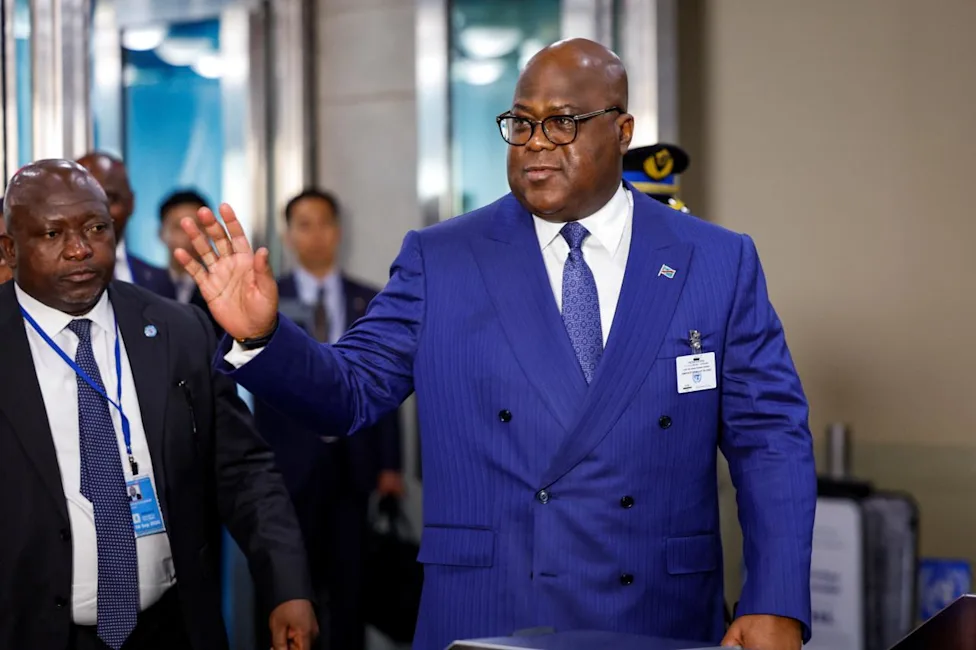
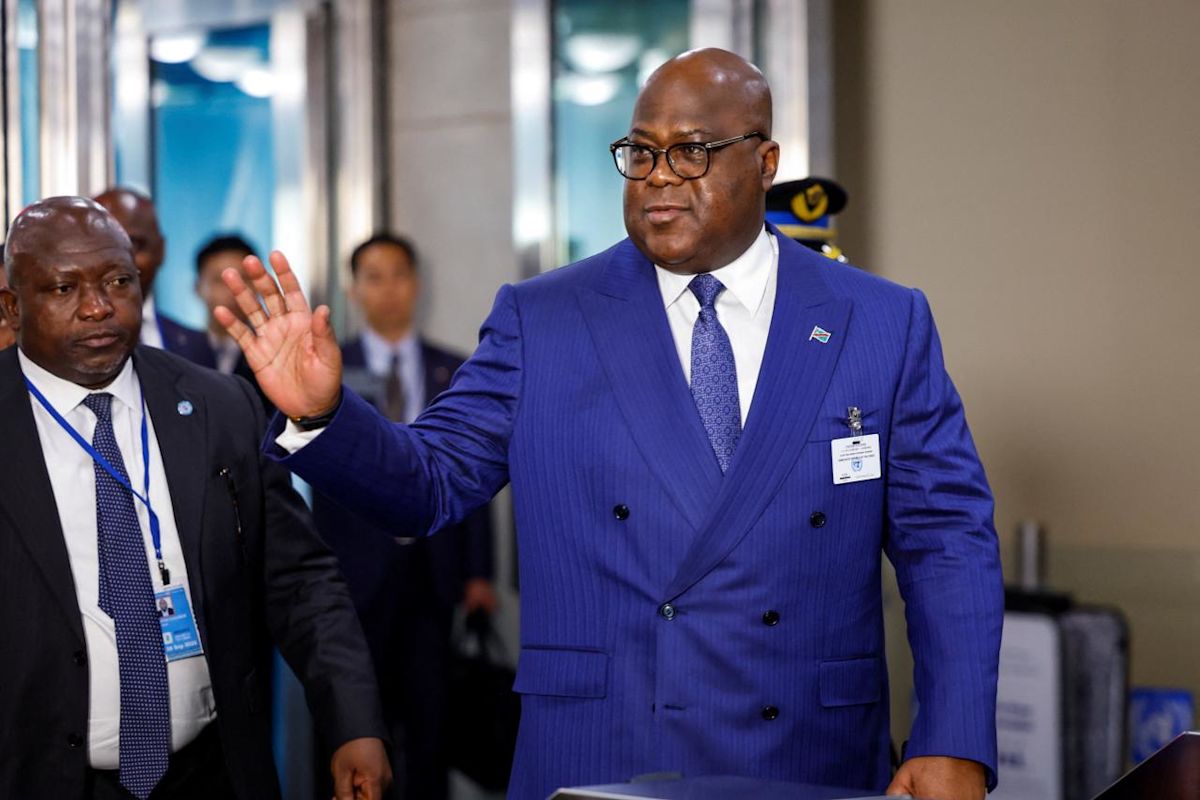
On August 13, as political tensions escalated with the Coalition Article 64 (C64)—a platform uniting major opposition parties in the Democratic Republic of the Congo (DRC)—President Félix Tshisekedi requested parliamentary reconsideration of the draft law governing the organization of a referendum on constitutional reform.
The coalition, launched in May, views this proposal—championed by the ruling party since 2024—as a potential tool to enable Tshisekedi to seek a third term, a move prohibited by the 2006 Constitution.
The previous day in Kinshasa, Dieudonné Bolengetenge, secretary-general of Moïse Katumbi’s Ensemble pour la République and C64 spokesperson, warned that the coalition would no longer accept delays if the president failed to initiate meaningful national dialogue.
C64 had set August 15 as a deadline to assess progress in the political dialogue initiated by Tshisekedi, while urging the public to “mobilize and resist” if the referendum proposal was not withdrawn. Earlier, in July, a planned march in Kinshasa had been postponed at the request of Catholic and Protestant churches, which called for prioritizing dialogue over confrontation.
“A cautious step forward”
Though Tshisekedi’s concession falls short of the coalition’s demands, Prince Epenge, C64 co-founder, described it as “a cautious step forward.”
In a joint memorandum submitted to the president and key institutions on August 10, 65 Congolese civil society organizations cautioned that pursuing constitutional reform through a referendum could “exacerbate political tensions, deepen social fractures, and divert attention from the nation’s pressing priorities.”
Related Posts