Politics
Chadian opposition leaders granted clemency but face ongoing restrictions
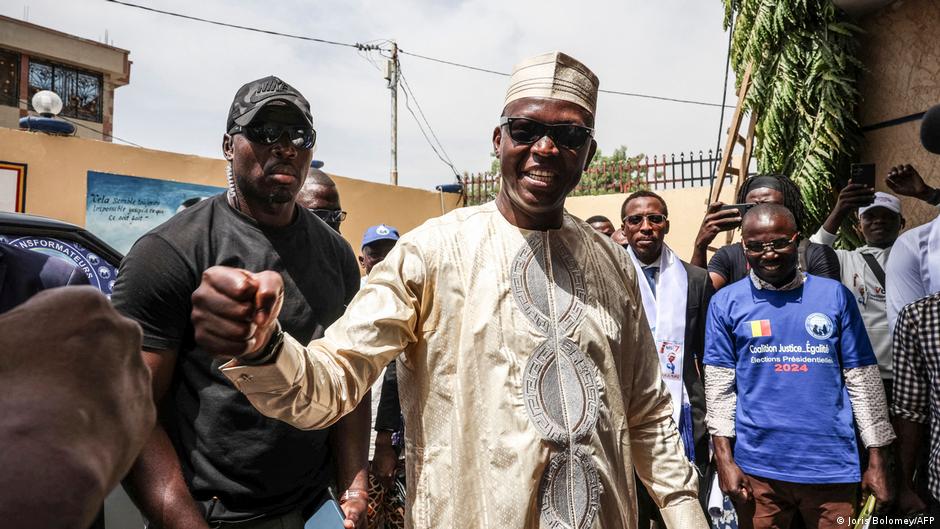
Eight opposition leaders, including former Prime Minister Succès Masra, are set to walk free from prison after receiving presidential clemency. Masra, who had been serving a 20-year sentence for insurrection, is among those whose sentences have been commuted. However, the clemency does not erase their criminal records, leaving them ineligible for public office and liable for outstanding fines.
Political analyst Bétinbaye Yamingué highlights the distinction: “The president’s gesture fulfills a national expectation by releasing these figures, but true progress hinges on parliamentary action to restore their full civil rights.”
Parliament’s role in shaping reconciliation
Under Chad’s Constitution, only the National Assembly can grant amnesty—a power it has not yet exercised. With the ruling party controlling 124 of 188 seats, the opposition’s path to restoring its leaders’ rights remains uncertain.
Yamingué warns: “Freedom alone doesn’t heal political wounds. If these leaders cannot regain their political footing, the clemency may be seen as a tactical move rather than a step toward genuine reconciliation.”
Shifting reactions across the political spectrum
The announcement has elicited mixed responses. The Transformateurs party, led by Masra, has not yet commented publicly, though a spokesperson indicated they would assess the situation after his release.
Ndolembai Sadé Njesada, deputy leader of the Transformateurs, praised the decision, calling it a move toward national unity and expressing hope for renewed dialogue. Meanwhile, Hissein Abdoulaye, spokesperson for the opposition coalition GCAP, condemned the clemency as insufficient, arguing that amnesty—not conditional release—was the only fair outcome.
The ruling MPS party framed the clemency as a humanitarian act, emphasizing the leaders’ right to reunite with their families.