Ebola outbreak in DRC reaches alarming levels as WHO demands urgent action
- Health
The World Health Organization (WHO) has raised the alarm over the unprecedented spread of Ebola in the Democratic Republic of Congo (DRC), now classified as the third-largest outbreak in history. With two months since its official declaration, the situation has deteriorated rapidly, particularly in Ituri province where transmission remains intense.
The WHO Director-General, Dr. Tedros Adhanom Ghebreyesus, delivered a sobering assessment during a press conference in Geneva, highlighting that the current outbreak is spreading faster than any previous Ebola epidemic in the DRC. “Two months after the government declared the outbreak, it has now become the third-largest Ebola epidemic ever recorded,” he stated. “In just one month, the number of cases has surpassed 2,073, including 796 deaths. For comparison, the 2018-2019 outbreak took over ten months to reach the same number of confirmed cases.”
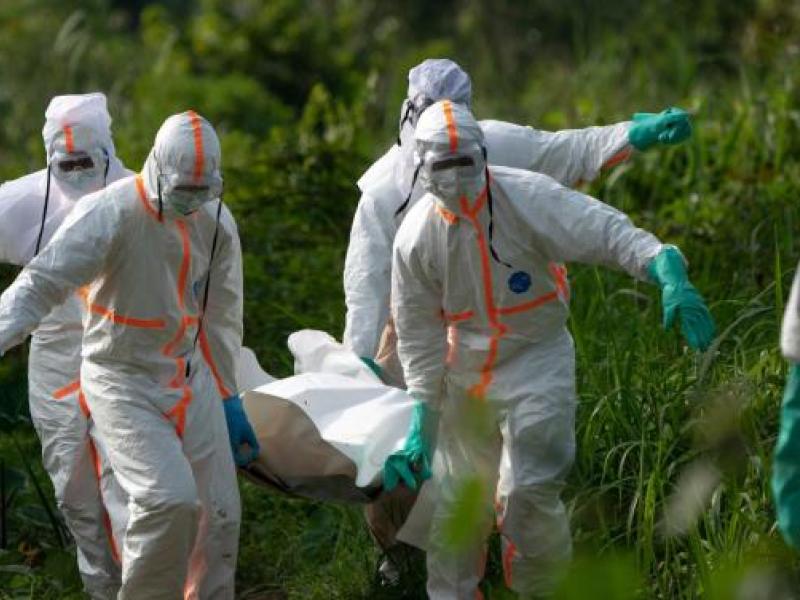
The situation remains most critical in Ituri province, where over 80% of new cases are detected outside known contact tracing lists, indicating undetected transmission chains. Shockingly, two-thirds of deaths occur within communities, with individuals never accessing healthcare facilities.
Challenges mount as insecurity and attacks hamper response
The WHO, in partnership with Africa CDC and other organizations, continues to support the Congolese government’s response efforts. Treatment capacity has expanded to over 800 beds, while laboratory capabilities have grown from one to 16 facilities. Contact tracing has improved to nearly 80%, and over 21,000 community health workers are being trained. Safe and dignified burial practices have also seen significant improvements.
However, progress is severely threatened by ongoing armed conflicts. Just yesterday, an Ebola treatment center in Bunia, Ituri’s capital, was attacked. Such incidents highlight the urgent need for political intervention to facilitate access to affected areas and enable a robust response.
Research breakthroughs offer hope amid crisis
Despite the absence of approved vaccines or treatments, encouraging developments are emerging in research. Earlier this month, clinical trials began for two potential treatments: the monoclonal antibody MBP134 and the antiviral remdesivir. Additionally, Oxford University initiated the first safety trial of the ChAdOx1 vaccine, while the DRC’s National Institute of Biomedical Research launched a trial of the obeldesivir antiviral for post-exposure prophylaxis in contacts of confirmed cases.
These efforts come at a critical time, as the DRC battles not only the Ebola outbreak but also the broader challenges of weak healthcare infrastructure, population mobility, and armed conflict. The country’s experience with 16 previous Ebola outbreaks—all successfully contained—serves as a reminder of its resilience and capacity to overcome such crises through coordinated action.
Clément Muamba, DRC Correspondent