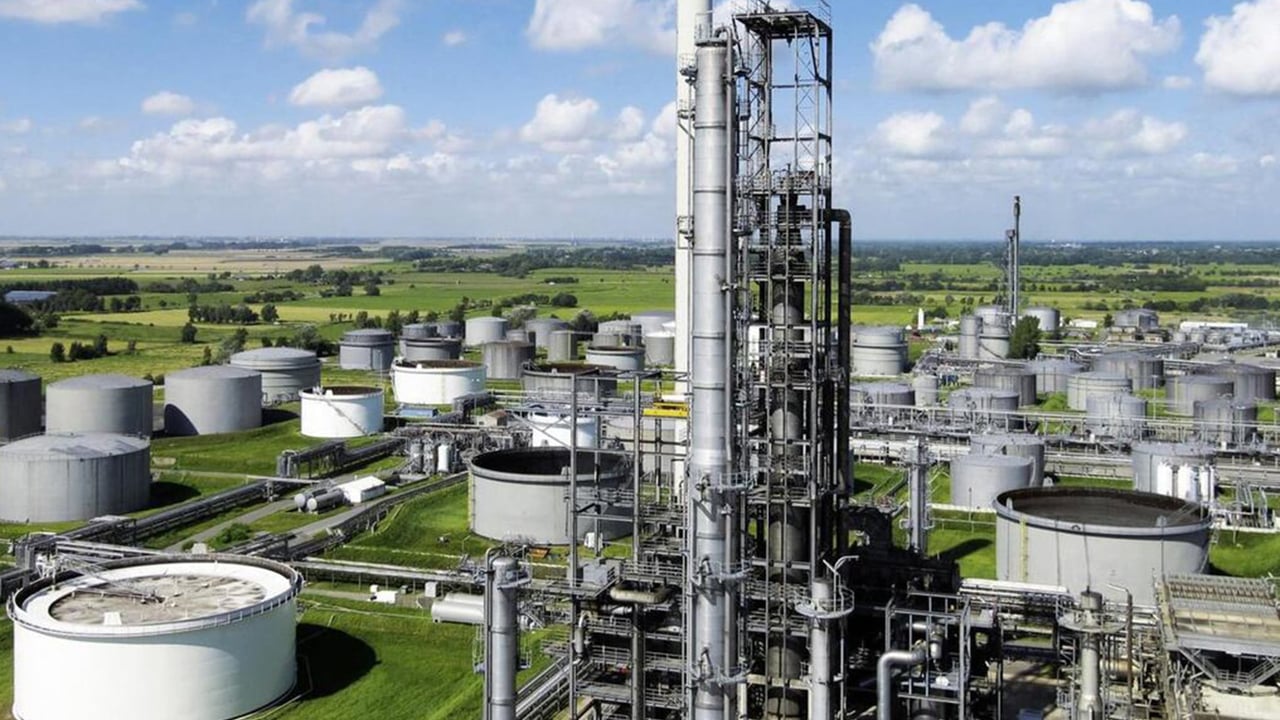

Cameroun’s state-owned petroleum company, Sonara, is making a strategic pivot in its refining operations, moving away from the Parras 24 model to embrace a new public-private partnership framework. This shift aims to enhance efficiency, sustainability, and long-term profitability for the refinery based in Limbé.
The decision follows a thorough evaluation of the previous model’s performance, which faced challenges in meeting production targets and adapting to market fluctuations. By transitioning to a collaborative public-private structure, Sonara seeks to leverage private sector expertise while maintaining governmental oversight to ensure national energy security.
Why the change?
For years, the Parras 24 initiative operated under a distinct operational model, but recent assessments revealed persistent inefficiencies. These included delayed maintenance cycles, suboptimal resource allocation, and difficulties in scaling production to meet domestic demand. The new partnership model is designed to address these gaps by introducing agile management practices and targeted investments.
Key objectives of this transition include:
- Boosting operational efficiency: Streamlining processes to reduce waste and downtime in refining operations.
- Enhancing financial sustainability: Attracting private capital to modernize infrastructure and expand capacity.
- Strengthening energy independence: Ensuring reliable fuel supply for the Cameroonian market while reducing dependence on imports.
What’s next for Sonara?
The upcoming months will be critical as Sonara finalizes agreements with potential private partners. Negotiations are expected to focus on risk-sharing mechanisms, profit-sharing models, and compliance with environmental regulations. Industry analysts anticipate that this shift could position Sonara as a regional leader in petroleum refining, provided the new framework is implemented effectively.
The refinery in Limbé, a cornerstone of Cameroon’s energy sector, will play a pivotal role in this transition. With a processing capacity of over 40,000 barrels per day, its modernization under the new model could significantly impact the country’s economic landscape.
Stakeholders are closely monitoring the developments, as the success of this initiative could set a precedent for other state-owned enterprises in the region seeking to balance public interest with private sector collaboration.