After enduring more than 18 months in captivity, Austrian Eva Gretzmacher and Swiss national Claudia Abbt have been freed in a development that has sent ripples through regional security discussions. The two women, separately abducted in northern Niger, were reportedly transferred to Benghazi in eastern Libya, where arrangements are now being finalized for their return to their home countries. While their release is a cause for relief, it has also intensified debates over Libya’s growing influence in hostage negotiations across the Sahel.
Two kidnappings, one grim timeline
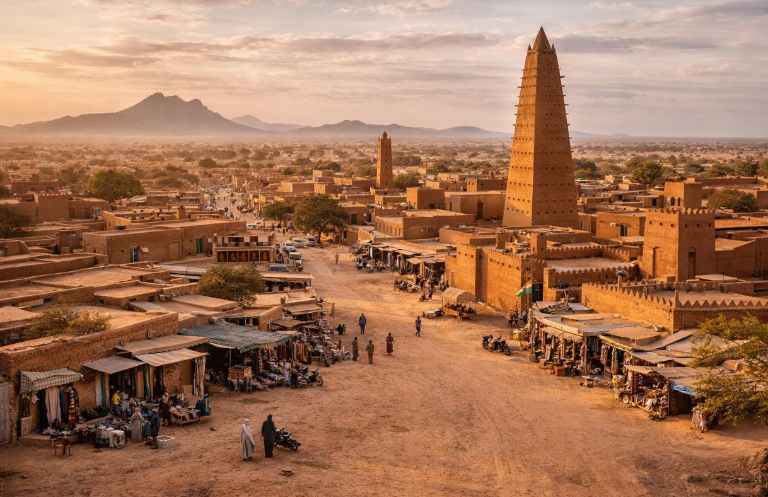
The ordeal began in January 2025 when Eva Gretzmacher was kidnapped in Agadez, a strategic city in northern Niger long plagued by insecurity and cross-border smuggling routes. A familiar face in the region, Gretzmacher had lived in Agadez for years, but the city’s once-vibrant expatriate community had steadily shrunk amid rising kidnapping risks.
Just months later, in April 2025, Claudia Abbt—another European resident in Agadez—was seized in a similar daylight attack. The double abductions highlighted a disturbing trend: armed groups were no longer confining their operations to remote border zones but were targeting foreigners in urban centers.
Possible links to regional jihadist networks have been widely discussed, though no organization has publicly claimed responsibility. Officials have cautiously suggested possible connections to the Islamic State in the Sahel, but concrete evidence remains elusive. The prolonged captivity—over a year and a half—points to the sophistication of the captors, who operated across porous borders with apparent impunity.
Libya’s eastern strongman emerges as key player
The breakthrough came in Benghazi, a stronghold of Libyan military commander Khalifa Haftar, whose forces control much of the country’s eastern regions. Multiple reports have pointed to the involvement of figures close to Haftar’s administration, including his son, Saddam Haftar, in facilitating the release.
While the specifics of the mediation remain undisclosed, the development underscores Libya’s dual role in the Sahel crisis: a fragmented battleground for rival factions and a strategic territory for regional negotiations. For Haftar’s self-styled Libyan National Army (LNA), a high-profile hostage release could serve as both a diplomatic win and a means to project influence beyond Libya’s borders.
However, analysts warn against reading this as a calculated strategy without further evidence. The opacity of the process—typical of hostage negotiations in the Sahel—means critical questions remain unanswered: What guarantees were exchanged? Were ransom payments involved? Were regional governments or private intermediaries the driving force?
Niger’s security crisis deepens
The liberation of Gretzmacher and Abbt, while welcome, casts a harsh spotlight on Niger’s spiraling insecurity. The country has become a hotspot for militant activity, with jihadist groups exploiting its vast, sparsely patrolled desert expanses and porous borders with Mali and Burkina Faso. Agadez’s vulnerability is particularly acute. As a historic crossroads for both trade and migration, the city sits at the heart of a maze of smuggling routes that militants have weaponized. Local security forces, stretched thin by limited resources and the vast distances involved, face an uphill battle to prevent future abductions.
Governments respond with stark travel warnings. France and the United States have both issued severe travel advisories for Niger, explicitly citing the elevated risks of kidnapping and terrorism. These warnings are not mere bureaucratic formalities; they reflect the reality that securing foreign nationals in the Sahel’s lawless expanses remains an ongoing challenge.
What’s next for the freed hostages—and the region?
The immediate priority is reuniting Gretzmacher and Abbt with their families and ensuring they receive appropriate psychological and medical support after their harrowing ordeal. Their transfer to Benghazi is a critical milestone, but logistical hurdles remain before they can finally return home.
Unanswered questions linger about the mechanics of their release. Who were their exact captors? What negotiation tactics proved decisive? Did Haftar’s administration play a direct role, and if so, under what conditions? Without transparent answers, speculation risks overshadowing the relief of their freedom.
The broader lesson is grim yet unavoidable: in a Sahel where security threats ignore national boundaries, hostage releases often hinge on opaque, multi-layered negotiations that bypass public oversight. While Eva Gretzmacher and Claudia Abbt are free, the cycle of kidnappings in the region shows little sign of abating. For governments and security forces, the challenge remains daunting—preventing the next abduction before it happens.