Félix Tshisekedi plans visit to Ituri as DRC battles 17th Ebola outbreak
The Democratic Republic of the Congo is confronting its 17th outbreak of hemorrhagic fever. The epicenter lies in Ituri, a remote province in the northeast that has been plagued by armed group violence.
According to the latest official tally, the disease has infected 1,048 people and caused 267 deaths in one of the world’s poorest nations. The fatality rate stands at 25.5%. Within the DRC, the virus has spread across three eastern provinces. Twenty cases, including two deaths, have also been recorded in neighboring Uganda.
“My commitment is total”
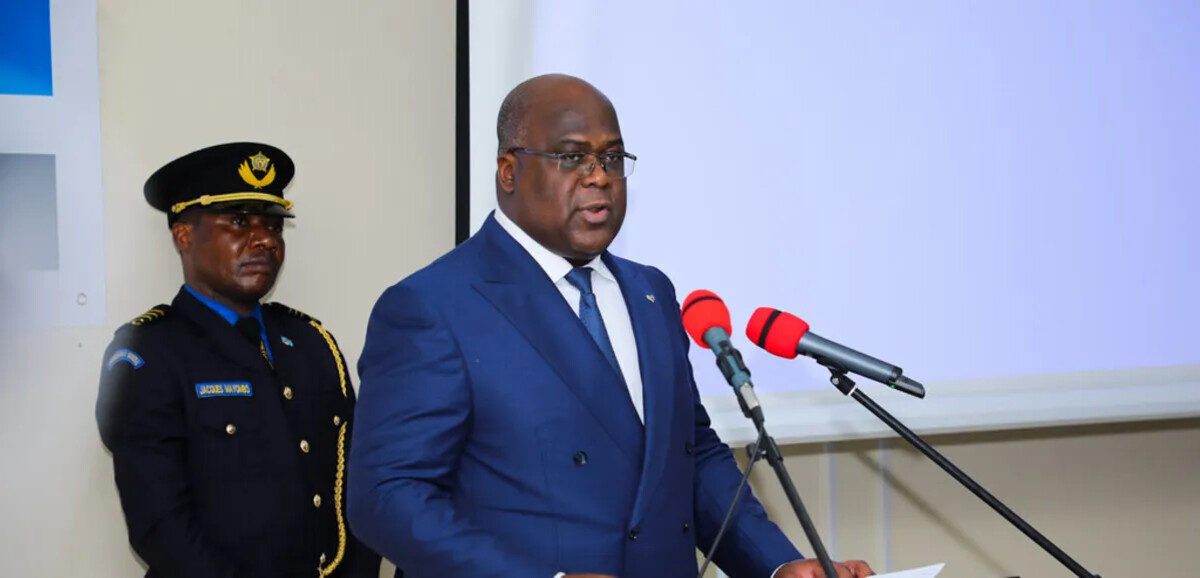
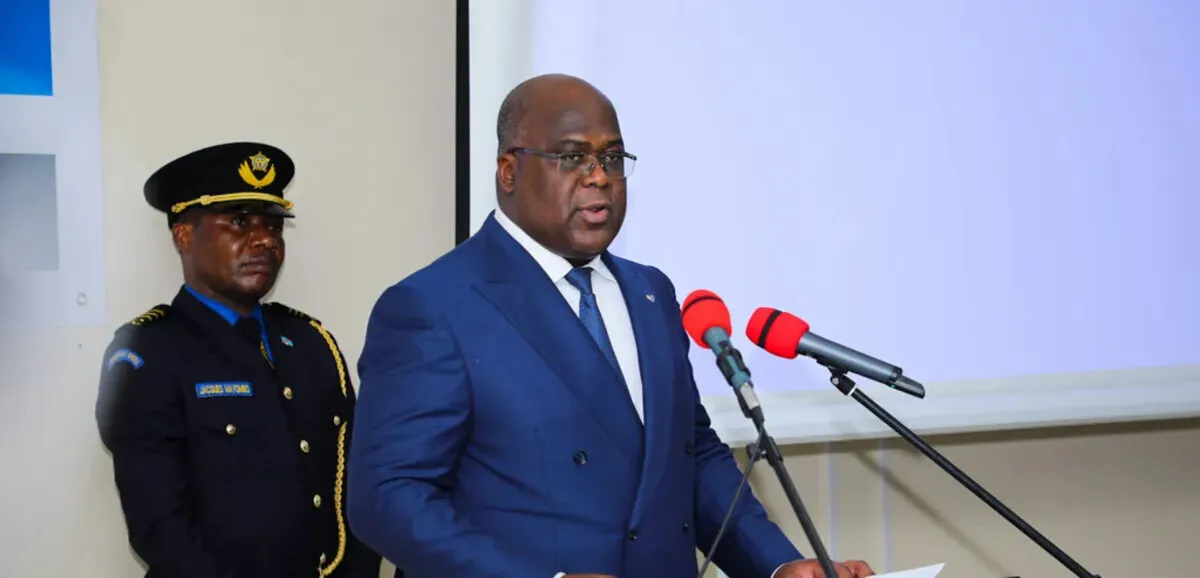
“I want to announce my upcoming visit to Ituri province, right to the heart of the epidemic, to monitor the situation personally. My commitment is total, as you can imagine,” said Congolese President Félix Tshisekedi during a statement made on the occasion of an official visit to Kinshasa by his Burundian counterpart Évariste Ndayishimiye.
No precise date has been given. The outbreak is caused by the Bundibugyo virus, for which there is currently neither a vaccine nor a treatment. Existing vaccines are only effective against the Zaïre virus, which has been responsible for the largest Ebola epidemics known to date. Ebola has killed more than 15,000 people in Africa over the last 50 years.
Isolation of patients and contact tracing
In Ituri, the health response—based on isolating patients and tracing their contacts—was slow to get off the ground. Resources are gradually being strengthened, but local hospitals still lack essential equipment (protective gear, chlorine, etc.) more than a month after the official declaration of the epidemic.
Ebola treatment centers set up in recent weeks with teams from WHO and several NGOs operating on the ground are already at over 80% occupancy, according to health authorities.
Testing capacity has improved, but international humanitarian organizations and NGOs on the ground believe the official figures are underestimated. In their view, the epidemic has not yet peaked and the crisis could last between six months and a year. The virus is transmitted through contact with bodily fluids.
- ebola
- ituri
- rdc
- santé