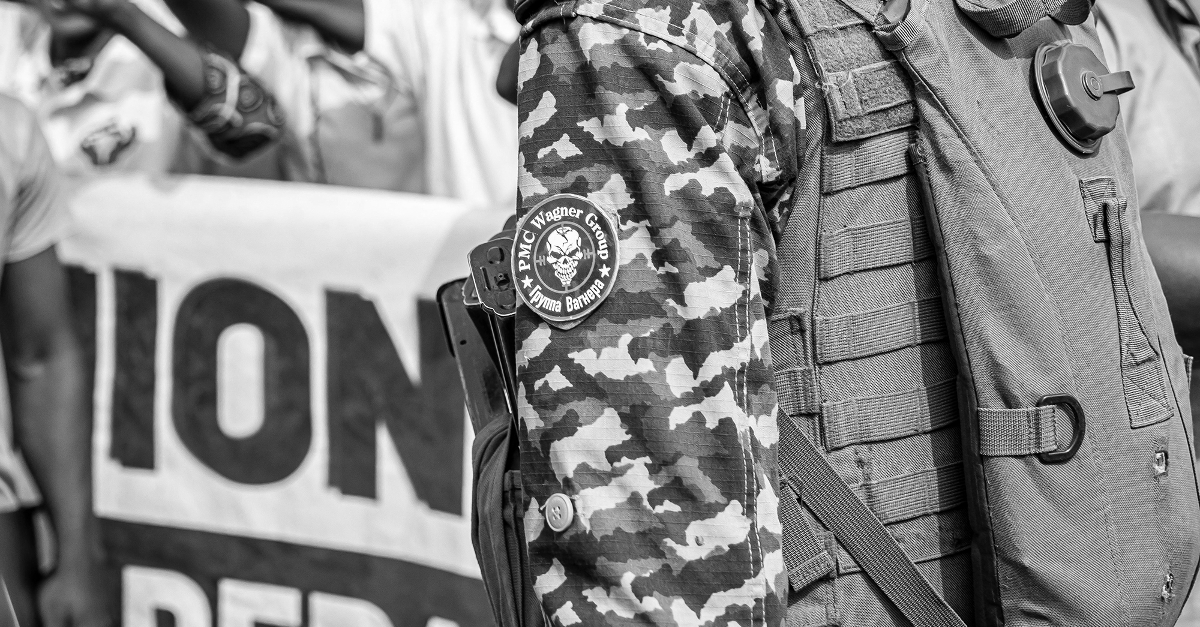
France’s delicate balancing act with a former Wagner informant
The European Union has intensified its crackdown on the so-called ghost fleet of tankers transporting Russian oil, a shadowy network that has thrived on loopholes in international maritime regulations. Among the bloc’s most vocal critics of this trade, France has quietly taken a more nuanced approach behind the scenes, particularly regarding individuals linked to the Russian mercenary group Wagner who have sought refuge on its soil.
While Brussels has spearheaded the push for stricter enforcement, it is individual member states that are uncovering and reporting critical intelligence. The case of a former Wagner associate now residing in France has prompted unusual diplomatic exchanges, with officials carefully weighing security concerns against legal obligations. The situation underscores the complex interplay between EU-wide sanctions and national discretion in handling high-risk individuals.
The EU’s widening net
The crackdown on the Russian oil fleet has become a defining issue of the bloc’s sanctions regime against Moscow. By targeting vessels flagged in third countries—often through shell companies—Russia has circumvented restrictions designed to starve the Kremlin of oil revenue. The European Commission has urged member states to tighten oversight of their maritime registries, but enforcement remains uneven. Cameroon, for instance, recently moved to revoke the registrations of vessels suspected of facilitating this trade, setting a precedent other nations may follow.
France’s quiet diplomacy
In contrast to the bloc’s public stance, France has adopted a more discreet strategy regarding certain Wagner-linked individuals. Intelligence shared with Brussels suggests that a former militia member, now in French custody, may possess valuable insights into the group’s operations. Rather than extraditing the individual to face charges elsewhere, French authorities are exploring alternatives that could provide strategic intelligence without triggering diplomatic fallout.
This approach reflects broader tensions within the EU about how to handle defectors and informants from Russian-affiliated groups. While some nations advocate for immediate prosecution or deportation, others prioritize intelligence gathering, especially when the information could disrupt arms or oil smuggling networks.