Gabon strengthens economic diplomacy with African and international partners
Libreville, Wednesday June 3, 2026 – Housing, infrastructure, African finance and private investment. In Libreville, Brice Clotaire Oligui Nguema is consolidating a strategy based on alliances between African capital and international partners to transform Gabon’s economy sustainably.
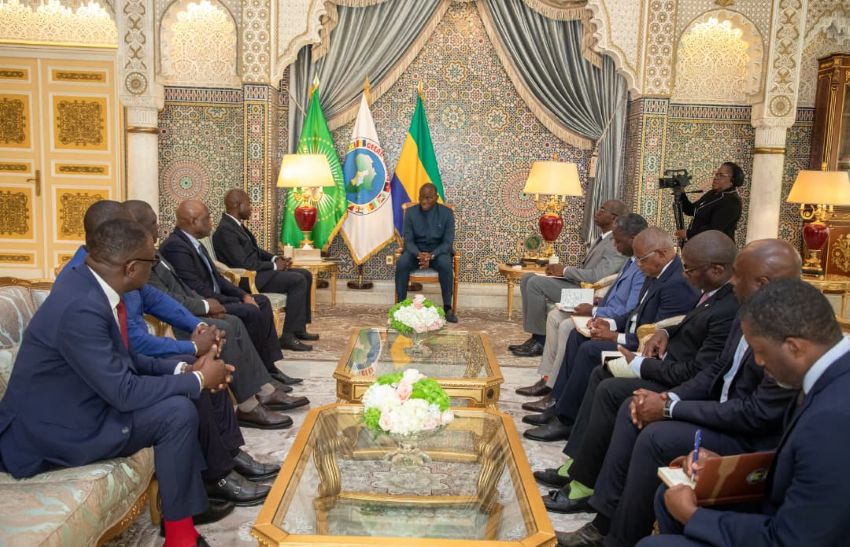
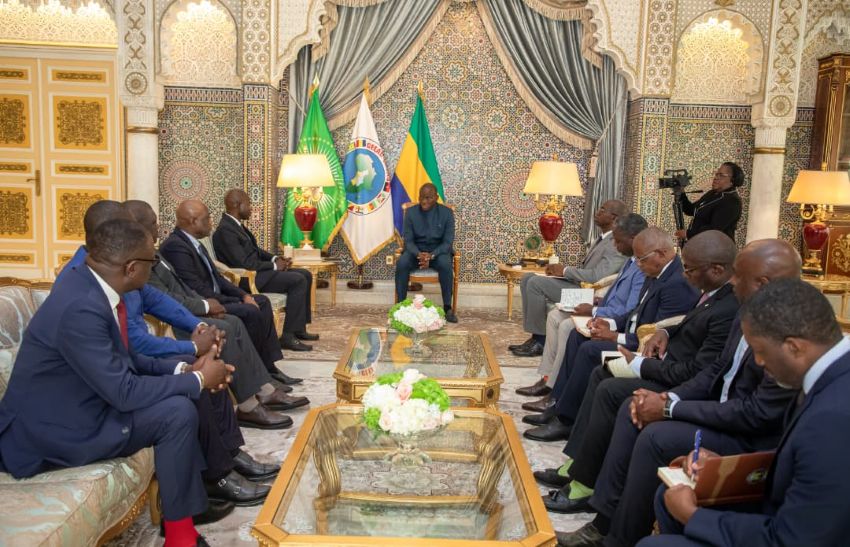
As African nations balance economic growth, social inclusion and national sovereignty, Gabon is accelerating on multiple fronts simultaneously. Tuesday’s meetings between the President and Idrissa Nassa, CEO of Coris Bank International, along with Zhu Junbo, CEO of the Chinese company COVEC, highlight a central pillar of the government’s strategy.
Beyond diplomatic protocol, these encounters reflect a broader vision: mobilizing African capital, attracting foreign investors and reviving major infrastructure projects to drive the country’s economic transformation.
The rise of African capital
Idrissa Nassa’s meeting held particular significance. The Coris Bank leader was not alone; he arrived with a high-level delegation including Burkinabe business figures such as Roland Sow, President of the Chamber of Commerce and Industry of Burkina Faso, Saïdou Tiendrébeogo, President of Burkina Faso’s Real Estate Developers Association, and Achille Ouédraogo, President of the Young Entrepreneurs of Burkina Faso.
This presence signals a notable shift in Africa’s economic landscape. While long dependent on European, American and Asian capital, several African countries are now seeing the emergence of homegrown financial groups capable of investing beyond their borders. Gabon is clearly positioning itself within this new dynamic.
Discussions centered on Gabon’s ambitious housing program, a project with both social and economic implications. Housing mobilizes the banking sector, construction firms, material producers, public services and local employment.
By encouraging Coris Bank to participate, the Gabonese President aims to create a model where African solutions fund African ambitions.
Housing as a development engine
Access to housing stands among the President’s top priorities. Yet the stakes extend far beyond mere construction. In emerging economies, housing fosters social stability, wealth creation and urban development.
By promoting homeownership, the state also stimulates savings, strengthens the middle class and supports economic activity. This logic explains why financial partners are critical to the program’s success.
The announcement of Coris Bank’s future headquarters on Boulevard de la Transition further underscores the group’s commitment to Gabon’s economy.
Infrastructure takes center stage
The second presidential meeting focused on one of Gabon’s historic development challenges: infrastructure. COVEC CEO Zhu Junbo confirmed the imminent resumption of roadworks on key routes, including Ndendé-Tchibanga and Tchibanga-Mayumba in Nyanga, as well as the Sibang-Bambouchine axis in Estuaire.
These projects are vital. Roads reduce logistics costs, facilitate trade, improve access to public services, attract investors and connect regions. In many countries, infrastructure is the invisible foundation of growth; its absence stifles activity, while its presence fuels it.
The revival of these projects sends a strong signal to both national and international economic operators.
A strategy of economic sovereignty
Both meetings reveal a unified approach: Gabon is diversifying partnerships without sacrificing its sovereignty. African capital is being tapped, international firms remain engaged, and the sectors targeted—housing, roads, agriculture, finance—directly impact daily life.
Success hinges on turning these commitments into tangible results: delivered homes, completed roads, accessible banking and real economic opportunities. Yet one thing is already clear: by bringing together African investors and international partners around major projects, Brice Clotaire Oligui Nguema is positioning Gabon at the heart of a new African economic geography—one where development relies not on external aid, but on Africans investing in their own future.
Related Posts