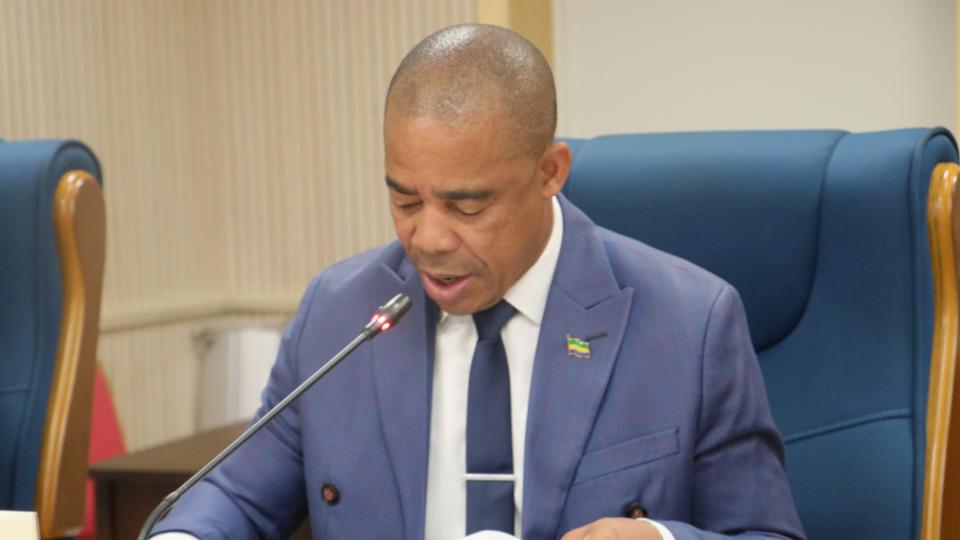
Gabon is taking a firm stance against the digital behemoths hailing from Silicon Valley and Beijing. In Libreville, the Senate has deliberated on a government-backed bill designed to strictly govern the operations of social media networks within the nation’s borders. This legislative initiative seeks to address a long-standing legal void, a concern frequently voiced by both authorities and civil society. To achieve this, the government is deploying a pivotal strategy: mandating that every major foreign platform appoint a legal representative residing within the country.
Until now, global platforms such as TikTok, Facebook, and X (formerly Twitter) have operated in Gabon without any official local contact. This situation has often hindered institutional dialogue, particularly concerning judicial requests, content moderation, and cybersecurity issues. By requiring a local proxy, Libreville aims to rebalance a power dynamic that has historically been asymmetrical, drawing inspiration from the robust regulations already implemented in nations like Brazil and across the European Union.
This proactive measure unfolds within a unique national context. Since February 2025, the Gabonese government has intermittently restricted or cut access to social media for reasons of public order. However, in response to these blockages, Gabonese internet users have widely adopted VPNs (Virtual Private Networks), effectively circumventing censorship and rendering state-imposed measures partially ineffective.
Between public security and fundamental liberties
Proponents of the new law argue its objective is to establish genuine digital sovereignty, mirroring efforts seen in Nigeria and Kenya. Within the Senate Palace, arguments presented emphasize protecting minors, combating hate speech, and countering disinformation.
Nevertheless, the proposed legislation has sparked apprehension within civil society circles. Many fear that this legal framework could become a tool for censorship, potentially stifling freedom of expression—an always delicate balance in Africa’s democratic transitions. Observers are keenly awaiting details on the nature and severity of future sanctions for non-compliance.
The challenge of economic appeal
The success of this regulatory push will largely depend on the reaction from tech giants like Meta and ByteDance. For these global digital empires, the Gabonese market, with its 2.5 million inhabitants, holds relatively little economic weight. Should the regulations prove too inflexible, they could deter technology investors, particularly those interested in the data center sector in Central Africa. Conversely, a well-balanced framework could bolster Libreville’s legitimacy on the international stage. Parliamentary discussions clearly indicate the government’s strong resolve to proceed with this initiative.