Gabon’s new diplomacy: Oligui Nguema’s vision for african sovereignty
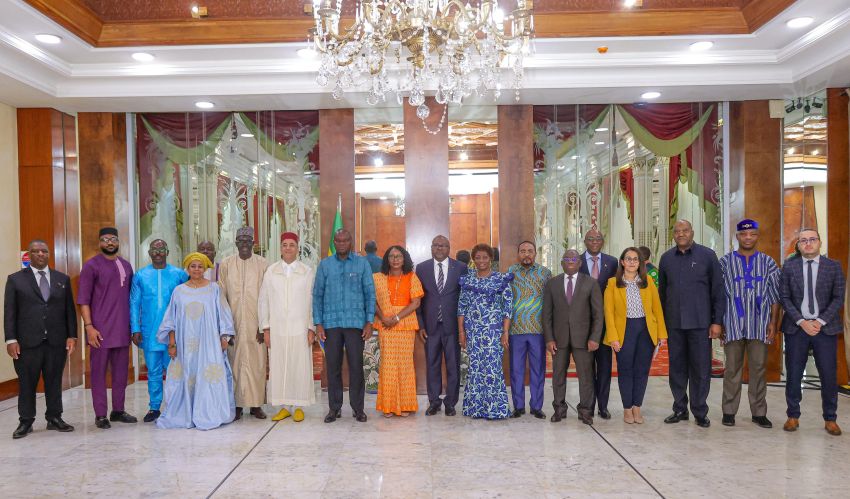
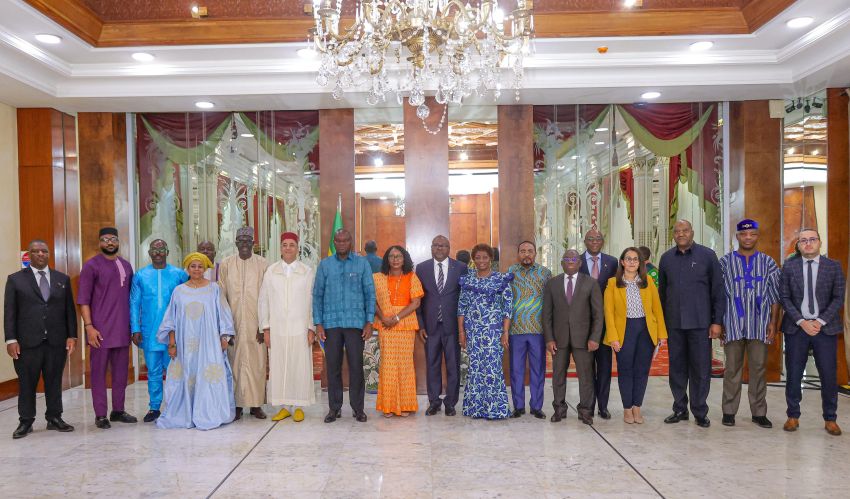
Libreville, Saturday, June 13, 2026 — As Africa undergoes significant geopolitical shifts, Gabon is redefining its diplomatic ambitions. President Brice Clotaire Oligui Nguema recently convened his first collective meeting with African ambassadors accredited to Libreville since taking office, delivering more than just protocol—he outlined a bold vision for the country’s future role on the continent.
Through this symbolic gathering, the Gabonese leader made one thing clear: his nation is determined to emerge as a stabilizing force, a bridge for dialogue, and a champion of African-led integration. In a continent grappling with security crises, shifting alliances, and debates over development models, Libreville is making its voice heard.
The power of an Africa shaped by Africans
At the heart of President Oligui Nguema’s address was a powerful assertion: the future of Africa cannot hinge solely on external solutions. This stance aligns with a growing continental movement, where leaders from the Sahel to Southern Africa increasingly demand greater sovereignty in addressing economic, security, and institutional challenges.
Gabon, under its new leadership, is now positioning itself to play an active role in this conversation. The president outlined three strategic priorities: accelerating regional integration to boost intra-African trade, strengthening South-South cooperation to leverage shared expertise, and building national capacity to tackle development challenges independently. This approach moves beyond rhetoric, focusing instead on tangible, results-driven action.
From stability to regional influence
The discussions with African diplomats also highlighted Gabon’s evolving global perception. Many envoys praised the country’s progress over the past three years in infrastructure, urban development, and public services. Yet this praise carries a deeper significance: Libreville aims to convert these domestic achievements into regional influence.
The announcement of renewed joint commissions with African partners signals a shift from purely political diplomacy to project-based partnerships. Energy, transportation, agriculture, digital innovation, and education are among the sectors targeted for collaboration. Gabon is not just seeking visibility—it wants to become a hub for concrete cooperation.
This ambition is reflected in the country’s bid to host the African Union’s semiannual AU-Regional Economic Communities meeting in 2027, as well as its bid to organize the 2030 Francophonie Summit. These initiatives underscore a clear goal: to position Libreville as a key diplomatic crossroads between Africa, the Francophone world, and beyond.
A balance of openness and governance
The meeting also addressed practical concerns raised by ambassadors regarding African nationals living in Gabon. Issues of administrative procedures and consular support were acknowledged, with the president reaffirming his commitment to international conventions and improved case handling. Yet he was equally clear: while Gabon remains committed to welcoming African migrants, this hospitality must align with national laws—a balance between regional solidarity and effective governance.
In a notable message to the Sahel’s Alliance of States, President Oligui Nguema emphasized dialogue and mutual listening as the best tools for resolving regional tensions. This position reinforces Gabon’s role as a potential mediator, capable of engaging with diverse African perspectives.
The conclusion of this landmark gathering is clear: Libreville is no longer satisfied being seen merely as a stable capital in Central Africa. Gabon is determined to carve out a more prominent role in African affairs, with cooperation, peace, and integration as the cornerstones of its growing influence. The challenge now lies in turning this diplomatic vision into measurable outcomes—because in today’s Africa, actions, not words, define leadership.