
In a global climate of shrinking development aid and fragmented financing, Chad has achieved a significant feat, as detailed in the African Development Bank’s 2026 African Economic Outlook. The country’s National Development Plan (PND) requires a total of $30 billion, with the private sector expected to contribute 46% of this amount. By November 2025, the nation had already mobilized an impressive $20.5 billion. This figure includes $16.4 billion from private and international investment sources, complemented by an additional $4.1 billion secured through 40 signed agreements and memorandums of understanding. For a country ranked 190th out of 193 on the 2025 Human Development Index, this ability to attract capital serves as a compelling model.
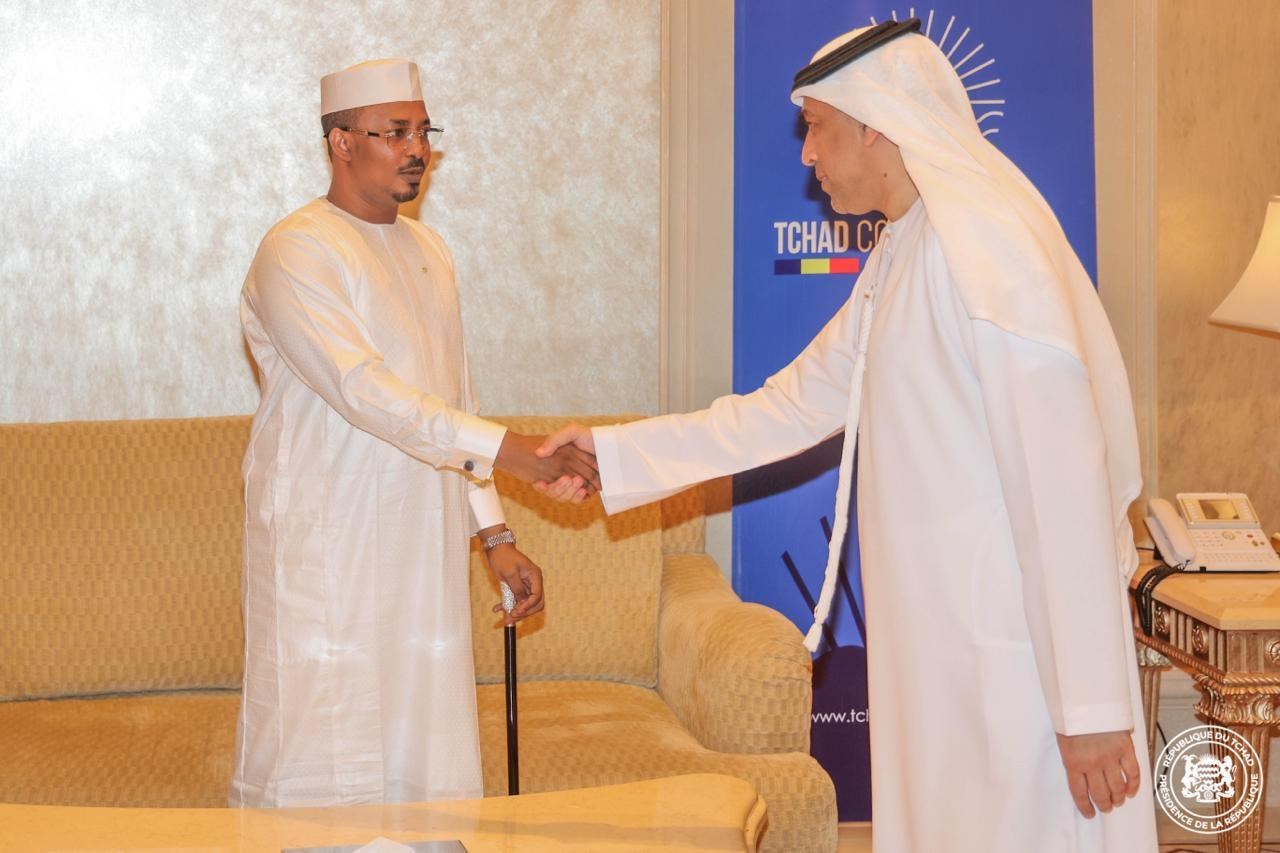
The foundation of this success lies in a methodical strategy of diversifying partners, an approach few other countries in the CEMAC zone have pursued with such rigor. A targeted diplomatic initiative successfully strengthened relationships with the United Arab Emirates and the Islamic Development Bank, opening up a vital channel for Islamic finance that is largely untapped in the region. Simultaneously, Chad maintained its traditional multilateral support from entities like the IMF and the World Bank. This was further enhanced by cultivating “South-South partnerships” with nations in the Middle East. This triangulation of Western, Islamic, and South-South financing has created a truly innovative funding architecture in Central Africa.
Chad’s fiscal credibility has also been a crucial factor in its fundraising capacity. Despite the financial strain of accommodating over 1.5 million Sudanese refugees in 2025, the country’s budget deficit remained below the 3% threshold set by the Economic and Monetary Community of Central Africa. Public debt was kept at a moderate 32% of GDP, one of the lowest rates in the CEMAC zone. This budgetary discipline, coupled with reforms aimed at broadening the tax base and digitizing tax collection, sent a powerful signal of reliability to investors—a message that many wealthier economies struggle to convey.
For development partners, Islamic financial institutions, and private investors looking to establish a presence in Central Africa, Chad’s experience provides a valuable operational lesson. It demonstrates that mobilizing massive private capital does not inherently require a developed financial market or a high per capita income. Looking ahead, N’Djamena intends to prioritize attracting private equity and strengthening its regulatory framework to sustain this momentum. For the government, this $20.5 billion capital raise is not an endpoint but the beginning of an economic transformation that international institutions are monitoring with great interest.