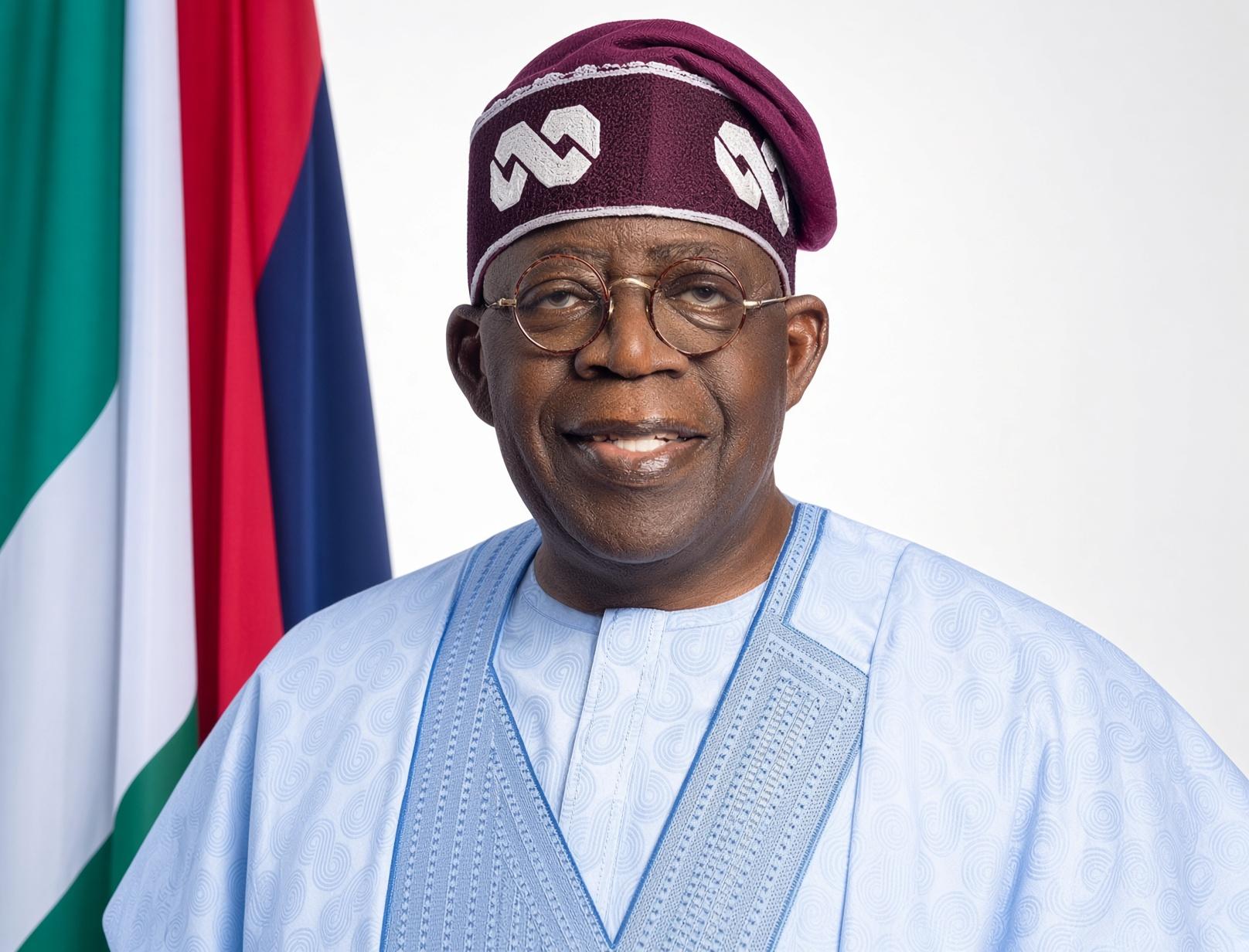
As Nigeria edges closer to its next presidential election, the question of how to keep the vote safe has moved from a technical concern to the heart of national debate. Public anxiety over political violence, ballot fraud and insecurity in several flashpoint regions has been mounting for months, and the Nigeria Police Force (NPF) high command, operating under President Bola Ahmed Tinubu, has responded with a steady stream of reassuring statements.
The machinery behind the neutrality promise
At the centre of the police’s public messaging is a vow of absolute impartiality. Inspector General of Police Olatunji Disu and his regional commands have repeatedly committed to a poll that is “free, fair and transparent.” To push back against long-standing accusations of bias or leniency toward the ruling party, the force’s leadership says its officers will stay strictly neutral from the campaign trail through to the counting of ballots.
An internal audit mechanism, overseen by police spokesman DCP Anthony Placid, has been announced, alongside the threat of tough disciplinary measures for any officer who fails in the duty of impartiality. The question analysts are asking is whether these internal checks can really bite in a force that has historically faced political pressure.
Why the deployment plan matters
Pacifying the vote in a country as vast and fractured as Nigeria is no small task. The Northwest struggles with banditry, the Northeast with a jihadist insurgency, and the Southeast with separatist and criminal tensions. Against that backdrop, the police are promising:
- A heavy presence around polling units: an exceptional mobilisation of personnel to deter ballot stuffing, theft of electoral materials and voter intimidation.
- Stronger mobile patrols: securing major highways and strategic collation centres.
- Inter-agency synergy: tighter coordination with the armed forces led by Chief of Army Staff General Waidi Shaibu, the Nigeria Security and Civil Defence Corps (NSCDC) and intelligence services orchestrated by National Security Adviser Nuhu Ribadu to lock down high-risk zones.
Technology, intelligence and the fight against vote-buying
Aware that old methods no longer suffice, the NPF is highlighting a modernisation drive. Under the impetus of the Minister of Police Affairs, Ibrahim Gaidam, the authorities say they will deploy digital surveillance tools and step up operational intelligence to dismantle vote-buying networks — a practice that has marred recent elections. Specialised anti-corruption units will be sent in to support investigators.
The gap between public hope and on-the-ground scepticism
These solemn commitments are meant to rebuild citizens’ trust in state institutions. Yet civil society groups and opposition leaders remain watchful. The real test, they argue, lies in whether the plan can be translated from rhetoric into action in a security environment that remains highly volatile. Observers point out that the credibility of the coming election will rest largely on whether the police can genuinely protect every citizen who turns out to perform their civic duty.