Niger and Haftar’s East Libya sign strategic deal as Algeria expands military footprint
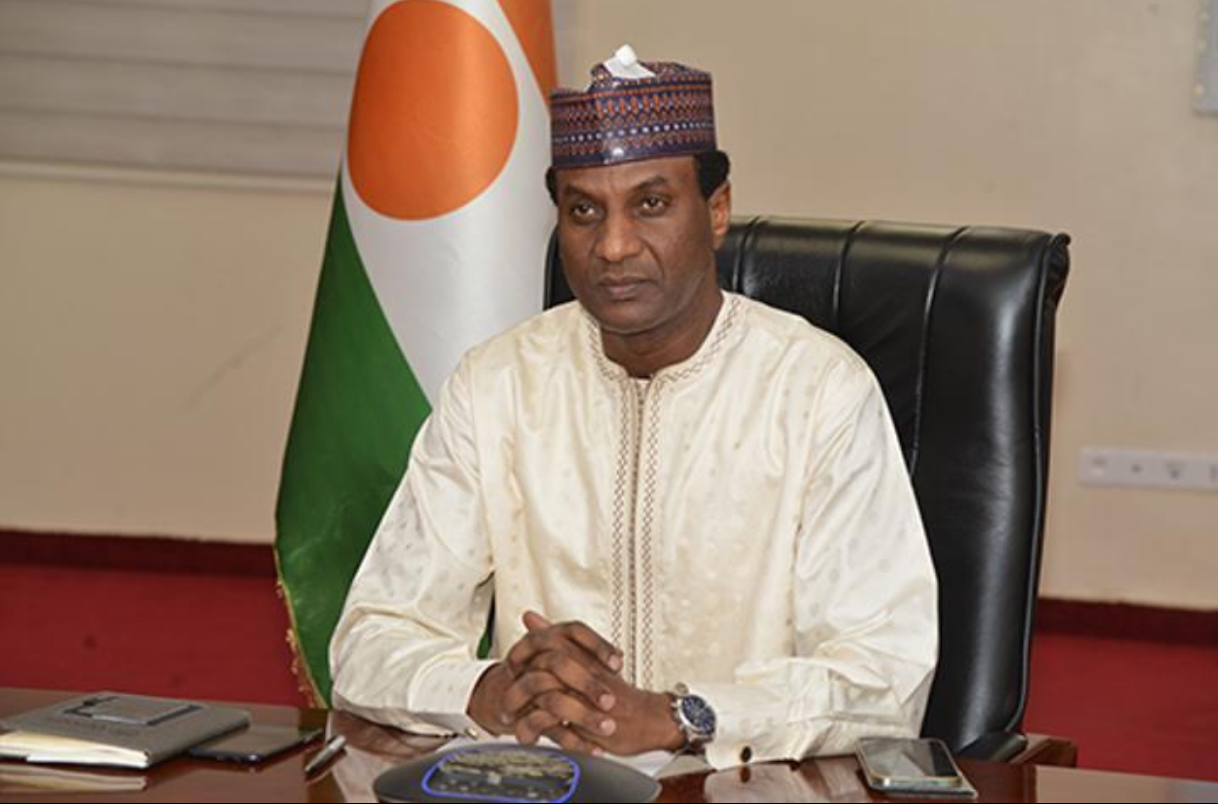
The sudden diplomatic overtures between Niamey and Benghazi have sent shockwaves across the Sahel. On November 1, Niger’s Prime Minister Ali Mahaman Lamine Zeine met with Libya’s de facto eastern authorities—led by Vice Commander General Saddam Haftar and Prime Minister Osama Hamad—culminating in the signing of a strategic cooperation protocol. This move arrives at a critical juncture, as Algeria ramps up its military presence in southern Niger, signaling a potential shift in the region’s fragile security architecture.
Algeria’s military expansion into the Sahel
On October 25, Algeria’s Parliament approved the deployment of the National Popular Army (ANP) units into Niger, a historic decision breaking from its long-standing policy of non-interference abroad. Officials cite protection of economic and energy interests—particularly oil ventures and the Trans-Saharan Gas Pipeline—as the primary justification. However, security concerns are equally pressing: Algeria seeks to secure critical transit routes connecting the Maghreb to the Sahel while countering transnational armed group movements in the Sahara.
Discussions have centered on Madama, a remote military base in northeastern Niger near the Libyan border. Its location makes it a prime staging ground for monitoring militant activities across the desert expanses. But Algeria’s growing footprint raises a pivotal question: Could this presence inadvertently empower Haftar’s forces in southern Libya while undermining Niamey’s strategic autonomy?
The three-border zone: a hotbed of regional rivalry
The tri-border area shared by Niger, Libya, and Algeria has become the epicenter of escalating geopolitical tensions. This vast, sparsely populated region serves as a crossroads for human traffic, illicit trade, and armed factions. Algeria’s growing anxiety stems from Haftar’s expanding influence in southern Libya, where his loyalists have tightened control over key routes linking the Sahara to the Sahel.
Reports of alleged support for Niger-based rebel groups—though unverified—further complicate the picture. These claims, whether true or not, underscore the volatility of the region, where proxy dynamics and shifting alliances create a volatile backdrop for Niamey’s diplomatic maneuvers.
Can Niamey outmaneuver Algeria through Benghazi?
Algeria and Haftar’s eastern Libyan faction have long been at odds. Algiers has traditionally backed the Tripoli-based Government of National Accord (GNA), advocating a negotiated settlement to Libya’s crisis. In contrast, Benghazi’s leadership—under the Haftar family’s influence—has cultivated alternative regional partnerships, including the recent rapprochement with Niger.
The newly signed protocol, though light on specifics, hints at deeper military, security, and economic collaboration between Niger and Benghazi. While no explicit anti-Algerian pact has been disclosed, the move is widely interpreted in Algiers as an attempt to counterbalance its expanding influence in the Sahel. Whether this alliance evolves into a formal alliance remains speculative, but the geopolitical signal is unmistakable.
Niger’s balancing act: survival amid regional rivalries
For Niger, the stakes could not be higher. The country faces mounting internal threats—from terrorism to economic instability—while navigating the ambitions of larger neighbors. By engaging both Algiers and Benghazi, Niamey appears to be hedging its bets, seeking to diversify alliances and avoid overreliance on a single power.
Yet this strategy carries significant risks. A misstep could draw Niger into a proxy conflict between Algeria and Haftar’s faction, compromising its sovereignty. The Benghazi visit exemplifies a broader trend: in the Sahel’s shifting sands, cooperation often doubles as a geopolitical instrument. As Algeria’s military push intensifies, Niamey’s next moves may determine whether the country becomes a battleground—or a broker—of regional power struggles.