ECOWAS Calls for Action on Togo’s Constitutional Reforms
The ECOWAS Court of Justice has intensified pressure on Togo’s government, demanding clarity on steps taken to implement its January 2026 ruling regarding the country’s controversial constitutional reforms. In a formal letter dated October 23, 2026, addressed to Togo’s Minister of Justice, the Court seeks detailed information on measures adopted to comply with its decision in case ECW/CCJ/JUD/01/26, which found violations of democratic standards.
The inquiry follows a legal battle between the Togolese Human Rights League (LTDH) and twelve other plaintiffs against the state. By requesting an update on enforcement actions, the Court underscores a broader debate: whether Togo’s institutional transformations align with regional commitments to democratic governance.
2024 Constitutional Shift Sparks Political Controversy
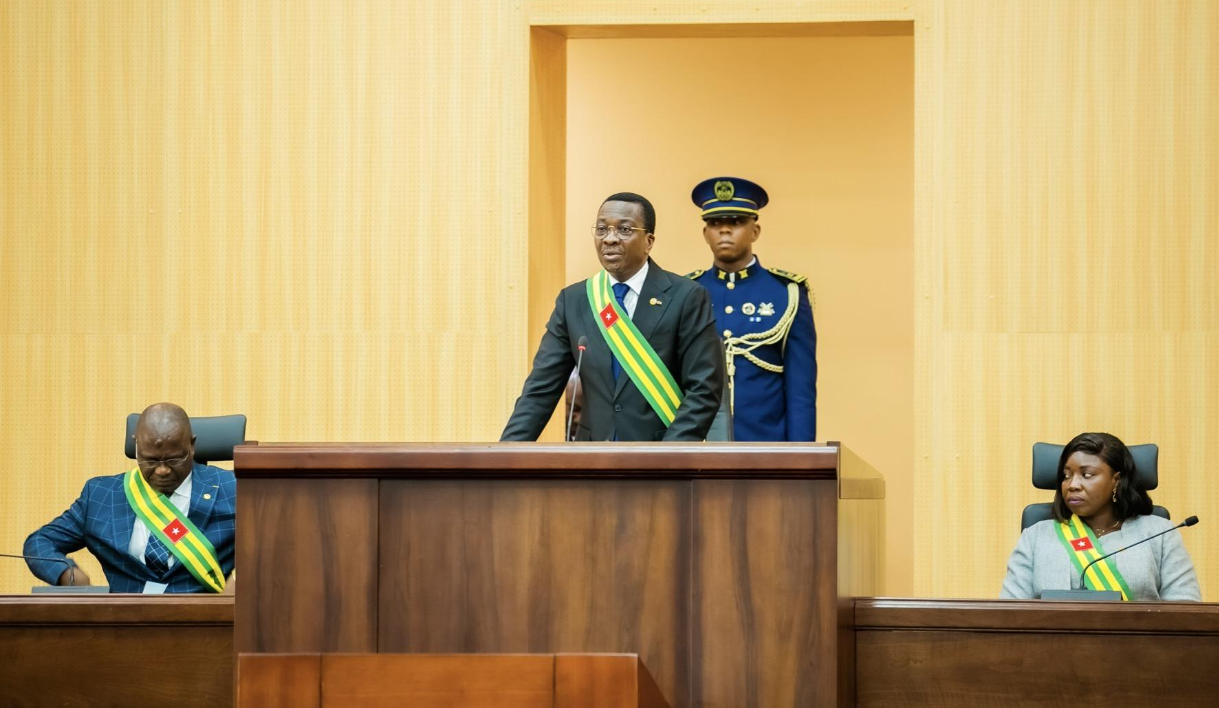
Togo’s constitutional overhaul, adopted on March 25, 2024, replaced a presidential system with a parliamentary framework. Executive powers were transferred to a new role—the Chairman of the Council of Ministers—effectively consolidating authority under President Faure Gnassingbé, who has led the country since 2005 through a political dynasty dating back to 1967.
Critics argue the reform was a strategic move to retain power without facing a direct presidential election. On May 3, 2025, Gnassingbé assumed the new role, reinforcing concerns about institutionalized control. Detractors view the transition as a shift in mechanisms rather than a true transfer of democratic accountability.
ECOWAS Ruling Highlights Democratic Deficits
The Court’s January 29, 2026, judgment identified violations of Article 23 of the African Charter on Democracy, Elections, and Governance. While it did not annul the 2024 Constitution or reinstate the prior presidential system, it mandated future reforms adhere to international democratic principles and the commitments Togo voluntarily adopted.
Now, the Court’s latest communication pressures Lomé to justify how it plans to execute these obligations. Under Article 24(2) of the Court’s Additional Act, Togo’s government must respond with concrete plans to align its constitutional trajectory with regional expectations.
Togo’s Diplomatic Balancing Act with Sahel Regimes
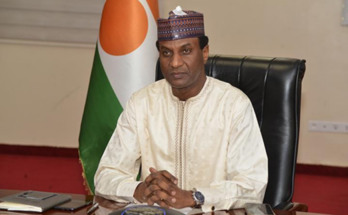
The ECOWAS pressure comes amid Togo’s growing alignment with the Alliance of Sahel States (AES)—Mali, Burkina Faso, and Niger—all governed by military juntas that emerged from recent coups. Lomé has strengthened ties with these regimes, including discussions in January 2025 about potential AES membership and a 2026 cooperation strategy emphasizing political dialogue, security, and economic integration.
While authorities frame this alignment as a bid for regional stability and bridge-building, skeptics see shared characteristics: centralized power, weakened checks and balances, and challenges to democratic transitions. This paradox complicates Togo’s position within ECOWAS, an organization whose democratic governance principles it simultaneously pledges to uphold.
Will Lomé Address Regional Concerns or Double Down on Institutional Power?
The government’s response to the Court will signal whether it intends to rectify democratic deficits or prioritize institutional continuity. With West Africa grappling with political flux—military regimes, contested transitions, and democratic backsliding—Togo faces a pivotal moment.
The stakes extend beyond legal compliance. They touch on Togo’s credibility as an ECOWAS member, the credibility of its institutions, and the sustainability of its governance model in a region increasingly skeptical of unchecked executive power.
As Gnassingbé and his administration weigh their next move, the question lingers: Will this ECOWAS scrutiny prompt a course correction toward democratic consolidation, or will it be dismissed as peripheral interference in domestic affairs?