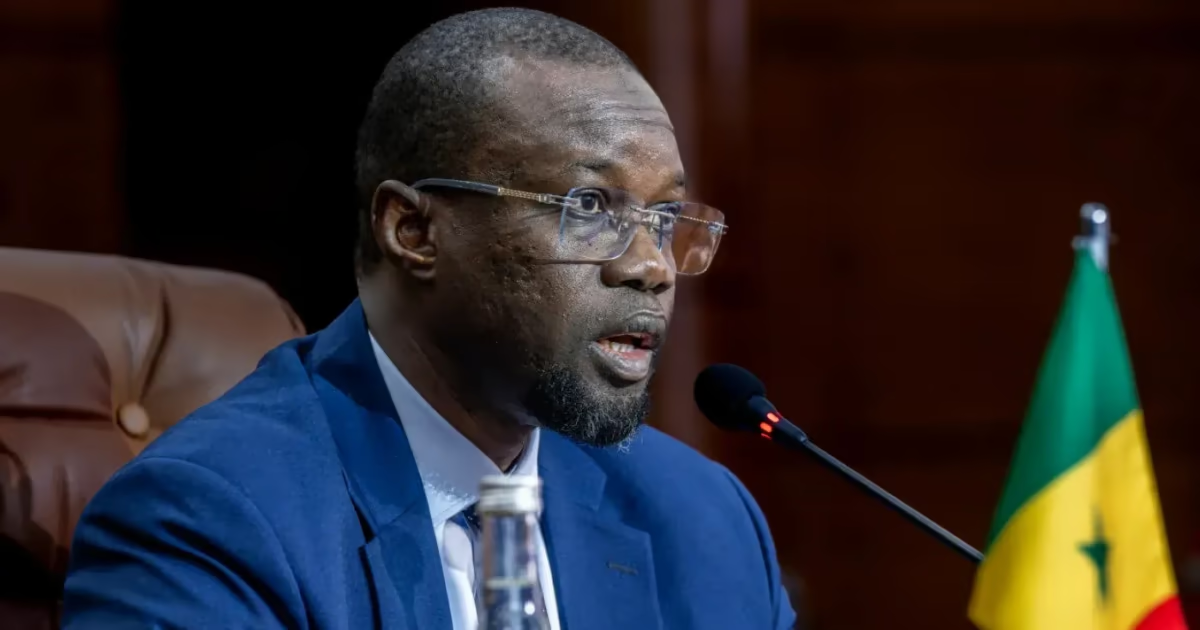
The wave of resignations shaking Pastef, once a unified force behind Ousmane Sonko, reveals deepening fractures within Senegal’s political landscape following the rise of President Bassirou Diomaye Faye.
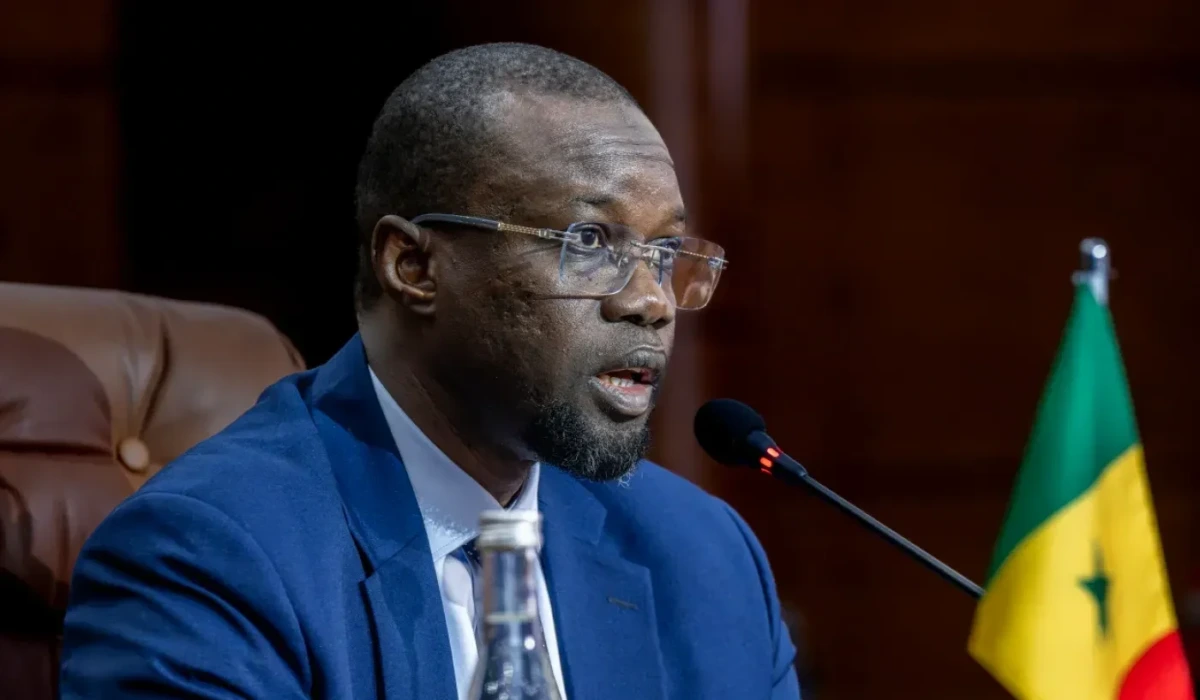
What began as isolated departures has rapidly escalated into a mass exodus, with former loyalists and young activists alike abandoning the party they once championed. The resignations span historical figures, mid-level officials, and directors of public agencies, signaling a crisis that transcends individual grievances.
From allies to adversaries: the unraveling of a political alliance
The partnership between Bassirou Diomaye Faye and Ousmane Sonko, forged in the March 2024 political transition, had been hailed as a symbol of Senegal’s democratic renewal. Yet their collaboration has crumbled over time, culminating in Sonko’s removal from the Prime Minister’s office in May 2026—a move that crystallized months of simmering tensions. While Sonko retained his leadership of Pastef, Faye began consolidating control over state institutions, setting the stage for a decisive rupture.
The first major signal of dissent came when Minister Moussa Bala Fofana stepped down from the Urban Planning portfolio in early June. Sonko had publicly criticized ministers for failing to align with party directives, prompting Fofana to clarify that his decisions were his own—not directed by the President—and to affirm his respect for his former mentor.
A constitutional overhaul sparks backlash
On July 3, Faye unveiled plans to launch a new presidential party, a move interpreted as the definitive break with Pastef. The initiative has galvanized supporters of the “Diomaye Président” coalition, which is actively courting defectors from the embattled party.
The resignations and strategic shifts reflect a broader power struggle within Senegal’s ruling bloc, reshaping the political map and testing the resilience of the once-dominant movement.