The Plateforme panafricaine des femmes et des jeunes pour la paix, la démocratie et la gouvernance (2PFJ) has issued a strong call for an inclusive, participatory, and constructive political dialogue in Côte d’Ivoire. This urgent appeal aims to drive sustainable electoral reforms in the country. The declaration, released on July 21, 2026, underscores the need for a thorough assessment of the current socio-political landscape, which remains scarred by past crises.
The 2PFJ emphasizes that electoral governance reform is not a minor administrative task but a cornerstone of the Republic’s stability and democratic future. A superficial approach, they argue, would fail to address the deep-rooted grievances plaguing Ivorian society. Instead, the platform urges the government to transform the ongoing reform process into a genuine national negotiation framework, uniting all vital stakeholders.
Building consensus for credible electoral institutions
The organization proposes the establishment of bipartisan technical commissions, bringing together representatives from the government, opposition parties, and civil society. These commissions would be tasked with defining the competencies, financial autonomy, and independence of the proposed new electoral bodies—or any alternative institutional structure that may emerge from the discussions.
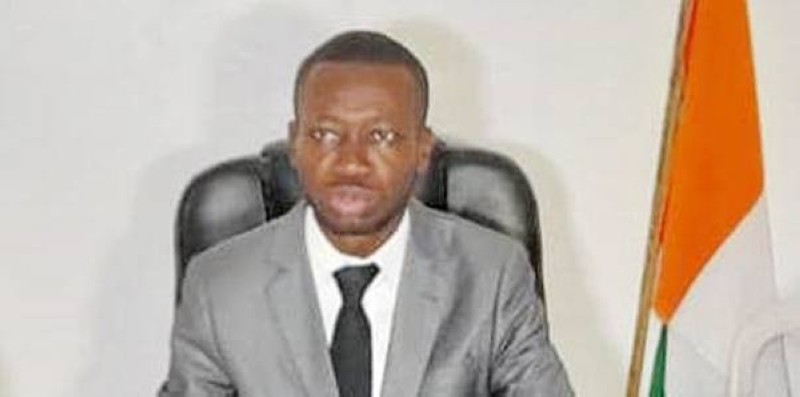
According to the 2PFJ, the future electoral management body must emerge from a national consensus to ensure the trust of all political actors. This is seen as the only way to prevent future disputes and safeguard the integrity of elections. The platform’s president, Jean-Martial N’Guessan, has formally endorsed these recommendations in an official statement.
Key conditions for a successful dialogue
The 2PFJ has also highlighted essential prerequisites for fruitful negotiations. Among them is the need to restore trust by addressing political detentions and facilitating the safe return of exiles. Additionally, the platform advocates for meaningful representation of women and youth organizations within the new electoral structures, ensuring a more inclusive and peaceful civic oversight.
The organization acknowledges the immense strain past electoral crises have placed on the Ivorian people. Yet, it also points to the nation’s history of overcoming divisions when faced with shared challenges. The current electoral reform, in their view, presents an opportunity to unite citizens around a common vision: a more stable, peaceful, and prosperous Côte d’Ivoire.
The government’s recent initiative—a broad consultation session held on June 22, 2026, under the leadership of Prime Minister Robert Beugré Mambé—has set the stage for these reforms. The meeting, described as an expanded informational session, brought together political parties and civil society organizations to explore pathways for electoral system improvements and sustainable solutions.