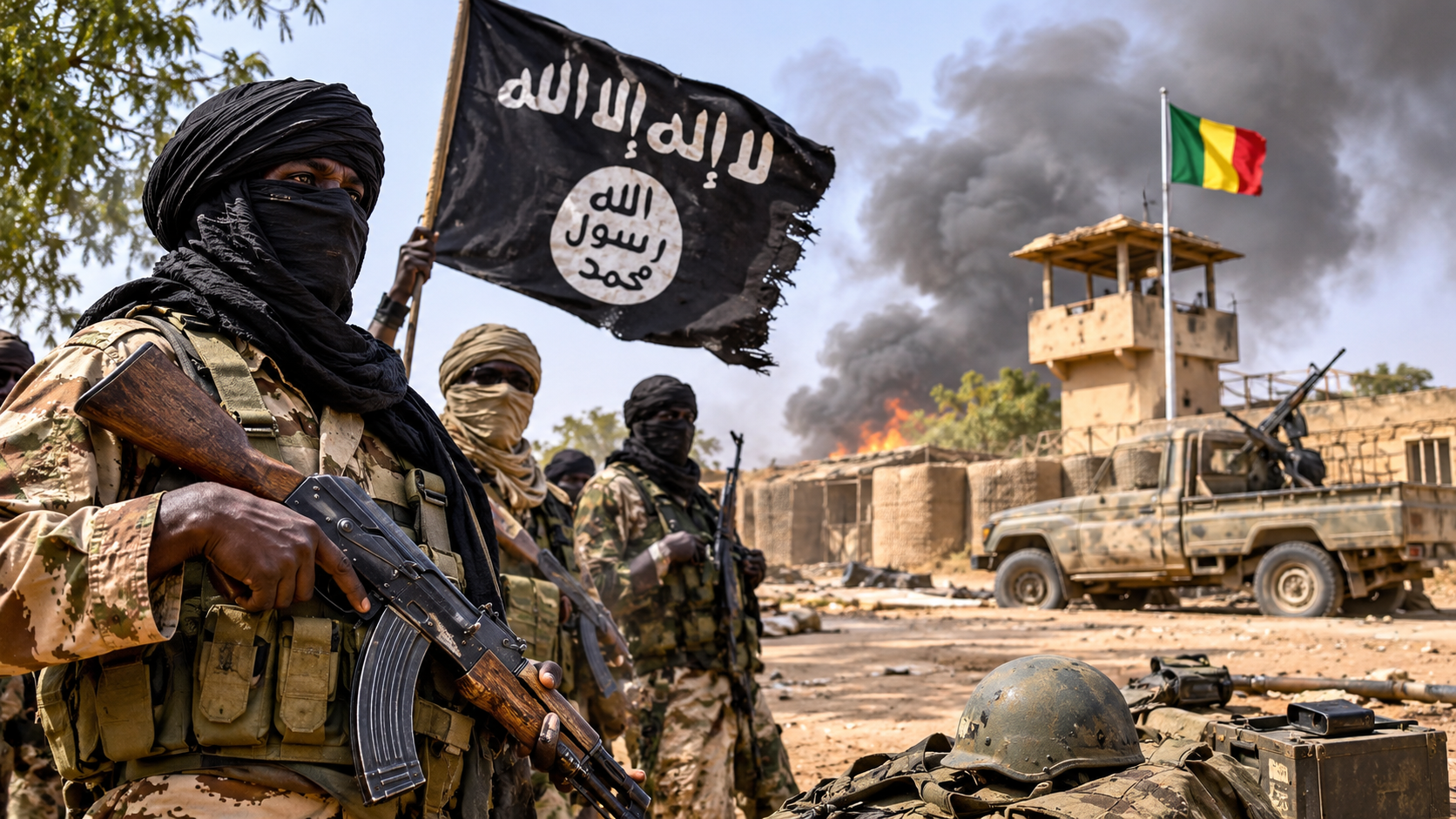
Armed clashes in central Mali’s Mopti region escalated over the weekend after the Group for the Support of Islam and Muslims (JNIM) launched a dawn offensive on a pro-government militia outpost near Bayman. In a statement released Saturday, the jihadist coalition claimed control of the strategic position, marking another setback for Mali’s military-led security strategy.
Unverified claims and rising instability
According to the JNIM communiqué, several militia fighters were neutralized during the assault. However, no independently verified casualty figures have been released. The absence of confirmed tolls whether in deaths, injuries, or detainees leaves the true impact of the operation unclear. While the group asserts success, the lack of transparency raises concerns about the credibility of its claims and the actual state of the battlefield.
This latest incident follows a pattern of recurring attacks that have exposed vulnerabilities in Mali’s security architecture. Earlier this year, the JNIM struck at Dioura on September 10, inflicting heavy losses on Malian troops and Russian-linked paramilitary forces. Reports at the time indicated over 100 Malian soldiers and five allied operatives killed, with dozens more captured a stark reminder of the mounting pressure on government-aligned forces.
Russian support fails to stem jihadist advances
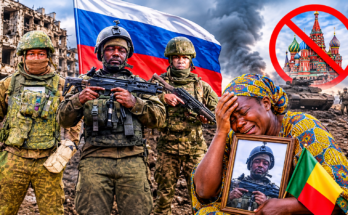
The attack comes amid persistent questions about the effectiveness of Bamako’s partnership with Moscow. Despite reported joint operations, airstrikes, and repeated announcements of security gains, militant groups continue to target key installations. A military statement released on October 31 boasted of neutralizing over 4,800 terrorists and conducting more than 850 airstrikes since May. However, these figures rely solely on official sources and remain unverified by independent observers.
The disconnect between these claims and the reality of ongoing assaults underscores a troubling gap between rhetoric and results. While the government touts its counterterrorism progress, local resilience continues to erode under repeated militant offensives.
What’s next for Mali’s embattled forces?
The fall of the Bayman base, if confirmed, represents another operational failure for forces loyal to Mali’s military leadership. Beyond the immediate tactical losses, the incident raises broader concerns about the government’s ability to secure strategic areas and protect civilian populations. With jihadist groups repeatedly challenging state control, the sustainability of Bamako’s security framework is increasingly in question.
Without independent verification or a shift in on-the-ground dynamics, the cycle of attacks and counterattacks may persist, further destabilizing the region.
By Nicolas Biyong — Journalist