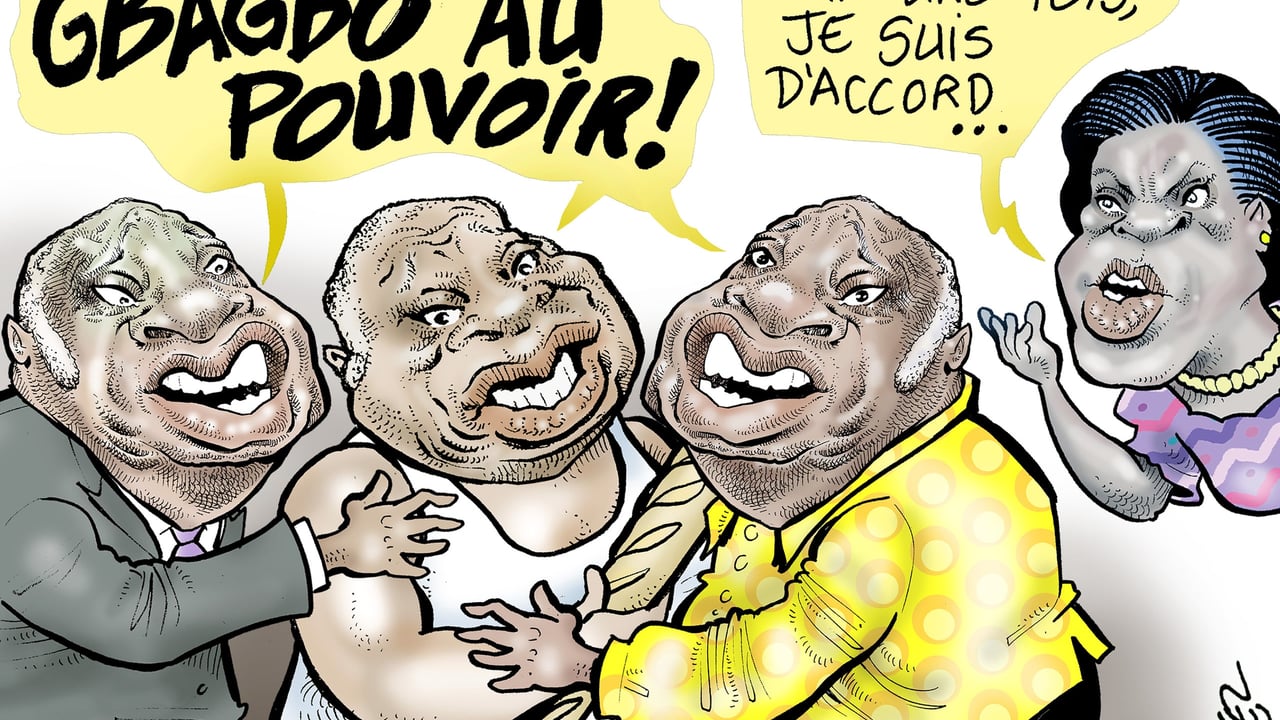
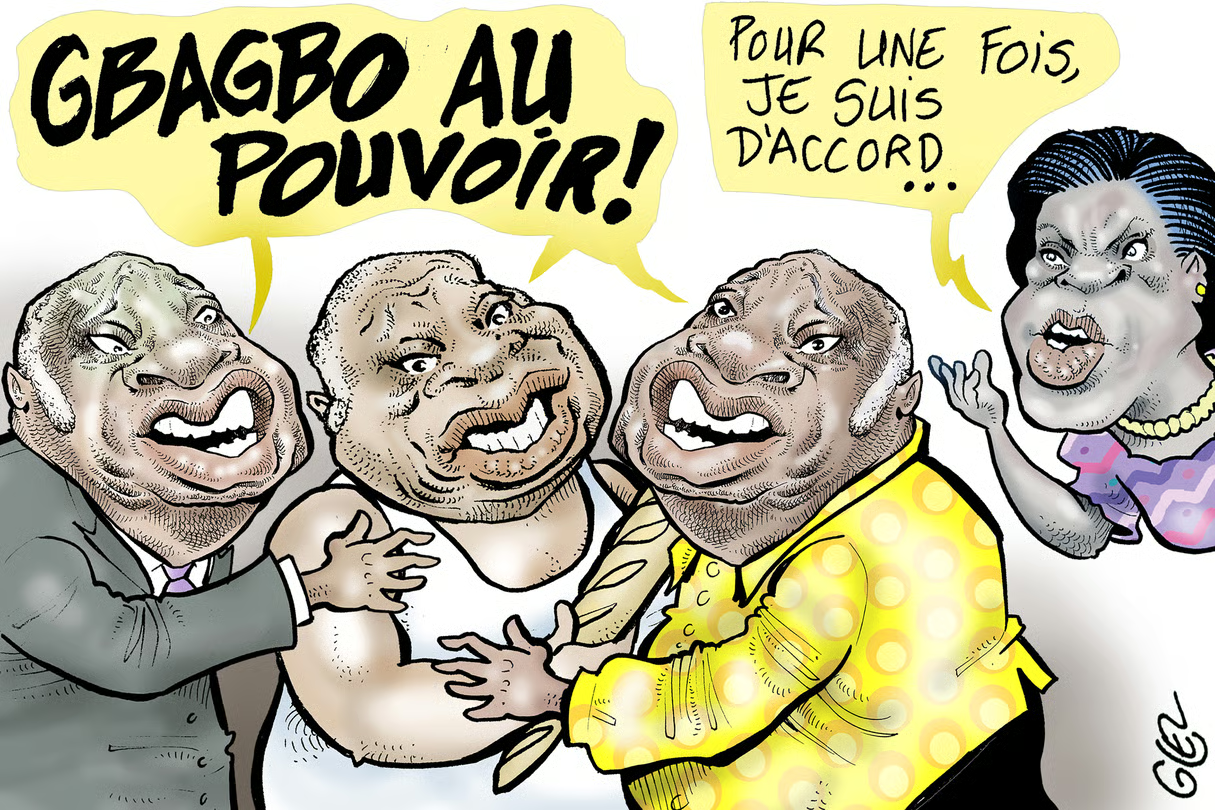
After years of political absence, the former Ivorian president has once again taken the helm of the Ivorian Popular Party of Africa (PPA-CI), despite initial declarations of stepping away from politics. The decision comes as a surprise to many, especially given his advanced age and the party’s recent electoral struggles.
Why did Laurent Gbagbo reconsider his retirement?
Several factors may have influenced his decision. First, the continued political influence of his long-time rival, President Alassane Ouattara, likely played a role. Second, the underwhelming performance of his party in recent elections has left many questioning the future of the PPA-CI. Finally, Gbagbo claims to have received overwhelming support from the public, urging him to remain active and guide the nation through its challenges.
Symbolic leadership amid party struggles
The announcement was made during the party’s first ordinary congress on May 14-15 at the Treichville Cultural Palace. Despite his absence, Gbagbo was unanimously re-elected as leader, a move that appears contradictory—aiming to ensure continuity while revitalizing the party’s fading momentum. The PPA-CI has notably abstained from both the last presidential and 2025 legislative elections, raising concerns about its relevance in Ivorian politics.
Internal divisions and disciplinary measures
The congress highlighted deep internal divisions. After years of factionalism, including the controversial independent candidacy of former PPA-CI executive vice president Ahoua Don Mello in last October’s presidential election, the party decided to take action. Three prominent members were expelled, while 62 others received suspensions ranging from three to eighteen months. Among those penalized were Lakota Mayor Prince Arthur Dalli, independent Deputy Stéphane Kipré, and Professor Georges Armand Ouégnin.
These dissenting voices had advocated for a renewal of party leadership and a redistribution of responsibilities. However, their calls for defiance against the election boycott strategy resulted in their exclusion from the congress. The disciplinary measures underscore the party’s efforts to enforce unity, even as internal disputes persist.
Gbagbo’s symbolic role vs. daily management
While Gbagbo’s symbolic leadership reassures loyalists, there are doubts about his willingness—or ability—to manage the party’s day-to-day operations. His advanced age and the nickname “the baker”—a nod to his past profession—have fueled speculation about his long-term commitment. Yet, his public address on May 15 and the “Renaissance Festival” celebration in his hometown of Songon suggest that his political instincts remain sharp, despite setbacks.
Only time will tell whether this renewed leadership can restore the PPA-CI’s influence or if it will remain a shadow of its former self in Ivorian politics.