The alignment between Lvmh and Gabon is taking concrete shape. The world’s leading luxury conglomerate, steered by Bernard Arnault, is finalising an exploratory memorandum of understanding with the Gabonese Agency for Green Economy Development (Agadev). Talks are reportedly taking place in Paris and centre on supplying the French giant with non-timber forest products harvested from Gabon’s vast rainforest. The signing is expected within a month of an upcoming official visit.
Moabi and odika: strategic forest resources of Gabon
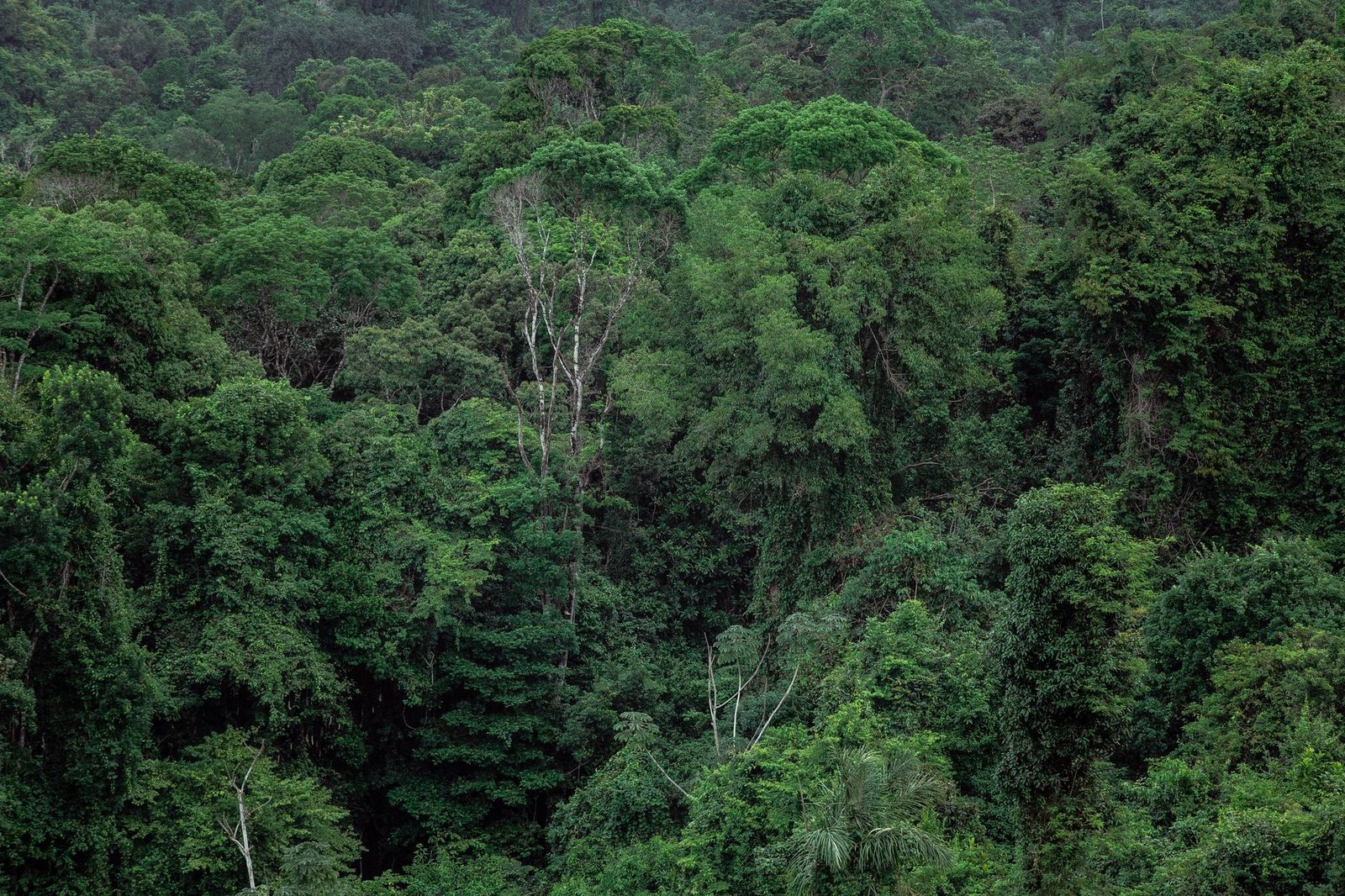
At the heart of the plan lie two emblematic tree species from the Congo Basin. The moabi, a majestic tree reaching up to sixty metres, yields an oil prized for its cosmetic and nutritional properties. The odika, commonly known as wild chocolate or wild mango, offers an aromatic almond widely used in Central African cuisine and increasingly sought after by perfume laboratories. These non-timber forest products, long limited to village economies, are now gaining premium ingredient status for European luxury houses.
Lvmh’s interest reflects a deep sector trend. Major cosmetics and fragrance brands are building partnerships with tropical biodiversity-rich countries, chasing distinctive ingredients and strong origin stories. Moabi and odika deliver both: botanical rarity and a strong geographic identity, two qualities prized in high-end collections.
Agadev: the spearhead of Gabon’s diversification
Created to steer the transition away from hydrocarbon dependence, Agadev embodies Gabon’s strategy of valuing natural capital. The country, still almost 88% forested, aims to turn this endowment into sustainable revenue. Structuring non-timber forest product supply chains is a priority for the transitional authorities.
For Libreville, sealing a protocol with a conglomerate of Lvmh’s stature would be a major political signal. With annual turnover exceeding 80 billion euros and houses like Dior, Guerlain and Louis Vuitton under its umbrella, Lvmh has the absorption capacity to lift an entire sector. Gabon’s challenge is to avoid the classic pitfall of raw-material export and capture maximum added value locally.
Economic diplomacy put to the test by traceability
The diplomatic calendar favours the operation. An imminent official visit provides a solemn framework for the signing, allowing Gabonese authorities to place this partnership within a sequence of renewed engagement with major French economic players. The next step is turning intention into lasting commercial flows, which requires solid guarantees on traceability, respect for forest communities and compliance with European environmental standards.
The European Union’s new deforestation regulation, which imposes enhanced due diligence for products from tropical forests, changes the game. Groups like Lvmh must now document the origin of every ingredient from tree to bottle. Gabon, which has invested in satellite mapping of its forest cover and claims a net positive carbon balance, has credible arguments to meet this requirement. But the moabi and odika supply chains must be organised accordingly, with village cooperatives able to guarantee quality and volume regularity.
Beyond its symbolic value, the anticipated deal could serve as a model for other tie-ups between luxury majors and African forest nations. Competition for rare ingredients is intensifying, and the Congo Basin harbours a largely untapped pharmacopoeia. The protocol is expected to be signed in the coming weeks.