
Bamako and Algiers’ recent diplomatic rapprochement is reshaping the aviation landscape in West Africa, opening new opportunities for major airlines. With travel restrictions easing between Mali and Algeria, carriers like Air France, Brussels Airlines, and Air Algérie are poised to expand their operations, benefiting passengers and the regional economy alike.
Diplomatic breakthrough fuels air connectivity
The thaw in Mali-Algeria relations has unlocked long-awaited potential for the aviation sector. After years of strained ties, both nations have reinstated direct flights, paving the way for increased passenger traffic and cargo services. This shift comes as a welcome relief for travelers and businesses relying on seamless connections across the Sahel.
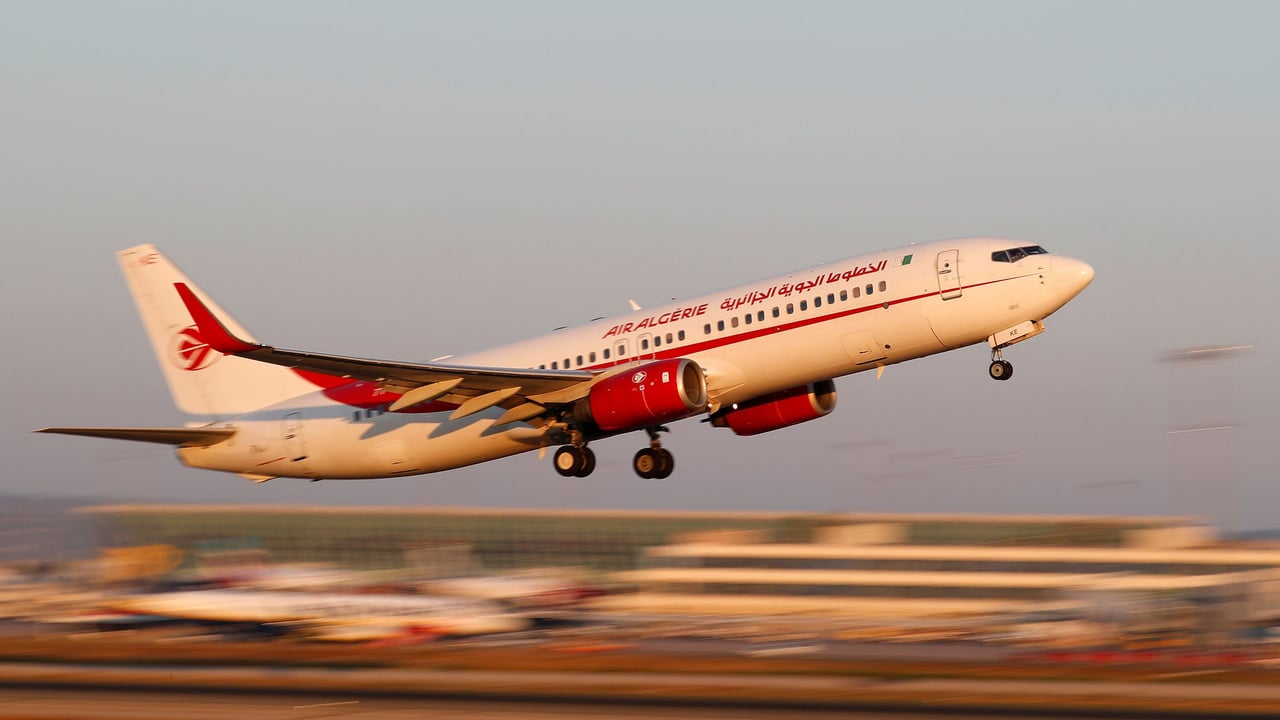
Algeria’s Air Algérie, a key player in the region, stands to gain significantly from these developments. The airline, already a dominant force in North and West African air travel, is expected to ramp up its Bamako-bound flights, strengthening its hub-and-spoke network.
European airlines eye Mali’s growing market
European carriers are also capitalizing on the improved climate. Air France, with its extensive network across Africa, is evaluating new routes to Bamako, while Brussels Airlines is exploring partnerships to enhance its footprint in the Malian capital. These moves reflect a broader trend of European airlines diversifying their African operations amid rising demand for regional connectivity.
The recovery of Mali’s airspace—once disrupted by geopolitical tensions—now offers a clearer path for tourism and trade. With safety concerns easing, passengers can once again choose from a wider array of flight options, connecting Bamako to Paris, Brussels, and beyond.
Economic ripple effects for West Africa
The revitalization of air travel between Mali and Algeria is more than just a logistical win; it’s a catalyst for economic growth. Reduced travel barriers mean faster movement of goods, easier business travel, and a boost to Mali’s tourism sector, which has long relied on international visitors.
For airlines, the timing couldn’t be better. As demand for African travel rebounds post-pandemic, the Mali-Algeria thaw presents a strategic advantage. Operators are now prioritizing route optimization, ensuring that passengers experience shorter travel times and improved service quality.
What’s next for Mali’s aviation sector?
The future looks promising, but challenges remain. Infrastructure upgrades at Bamako’s Modibo Keïta International Airport will be critical to handling the expected surge in traffic. Additionally, ongoing collaboration between Malian and Algerian authorities will be essential to sustain the momentum.
As airlines adjust their schedules and introduce new services, travelers can look forward to a more connected West Africa. Whether for business or leisure, the skies are opening up like never before.