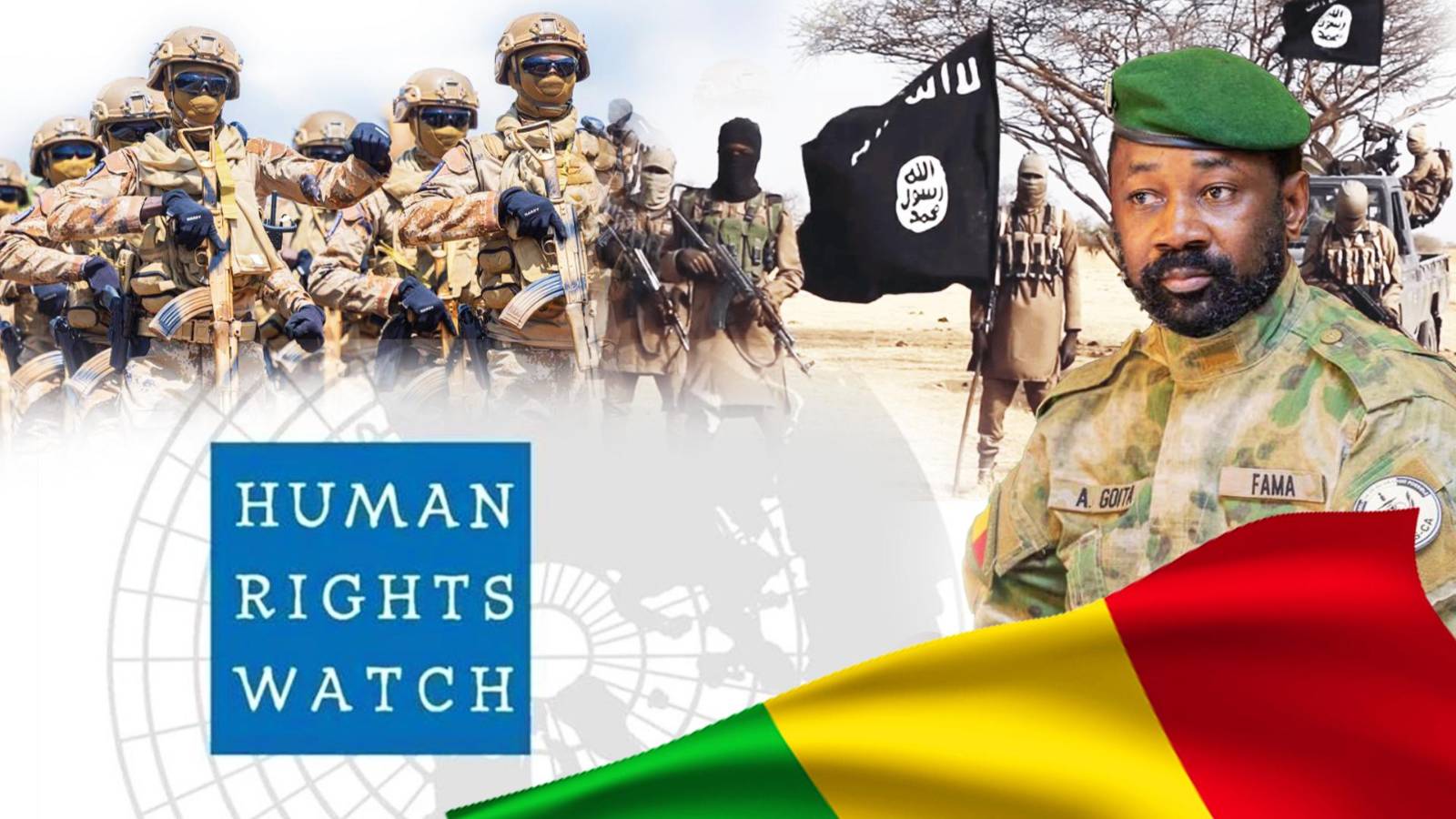
A recent investigative report, made public on Monday, June 29, 2026, presents a scathing indictment against all parties involved in the ongoing Mali conflict. Since the pivotal military shift on April 25, the Malian Armed Forces (FAMa), their Russian allies, and Islamist insurgents have escalated a cycle of brutal violence. Beyond the grim human toll, the human rights organization highlights a devastating strategy of economic strangulation, plunging civilian populations into extreme precarity.
escalating violence following the fall of Kidal
Spring 2026 marked a critical turning point in Mali’s protracted crisis. On April 25, a coordinated offensive by jihadists from the Group for the Support of Islam and Muslims (Jnim) and separatists from the Azawad Liberation Front (FLA) culminated in the capture of Kidal and the tragic elimination of Defense Minister Sadio Camara.
This significant defeat triggered a massive counter-response from the central government. The Malian Armed Forces (FAMa), bolstered by Russian instructors from Africa Corps, immediately launched a high-intensity counter-offensive campaign. While authorities have maintained secrecy regarding the human cost of these operations, data meticulously compiled by Human Rights Watch (HRW) indicates at least 13 fatalities and 25 injuries among civilians during the initial clashes in Gao and Kidal alone.
economic warfare: targeting Mali’s lifelines
On the ground, Jnim’s strategy has evolved into economic terrorism. To exert pressure on Bamako, networks affiliated with Al-Qaeda are systematically attempting to sever the nation’s logistical lifelines by imposing strict road blockades.
Commercial transport vehicles have become primary targets in this war of attrition. Between May 6 and May 21, over 40 civilian transport vehicles en route to the capital were intercepted and reduced to ashes. Even more structurally damaging is the consistent targeting of fuel tankers, a tactic that, since September 2025, has claimed drivers’ lives and crippled distribution networks.
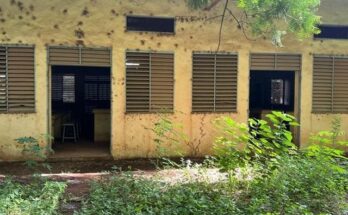
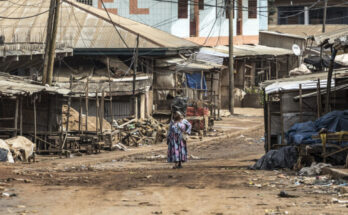
This deliberate logistical strangulation deprives vast areas of the country of essential electricity and fuel, leading to school closures and paralyzing local market activities.
The oppression by insurgents also manifests through targeted acts of terror, such as the public execution of a resident in Tonka, within the Timbuktu sector, explicitly intended to deter any inclination toward resistance.
Mechanisms of the humanitarian crisis:
- Jnim tactics ──> Roadway blockades ──> Energy shortages & inflation
- FAMa/Russia response ──> Indiscriminate drone raids ──> Displacement and civilian losses
civilians caught in the crossfire of Bamako-Moscow alliance
Concurrently, the operational responses by FAMa and Africa Corps have resulted in substantial civilian casualties. The human rights watchdog condemns systematic abuses during security operations conducted in the central regions of the country, where Fulani communities are frequently and violently conflated with insurgent movements.
Between May 14 and May 17 alone, HRW’s documentation efforts identified 38 civilians killed during ground incursions, including 23 minors.
Adding to this tragic toll are the devastating effects of advanced drone strikes:
- Guimbé (April 25): An aerial bombardment resulted in the deaths of 12 children and adolescents.
- Téné (May 17): A strike directly hit a wedding ceremony, leaving 10 civilians lifeless.
justifications and a wall of silence
When questioned about the legitimacy of its targets and the imposed strangulation of transport infrastructure, the Jnim command chose to respond to HRW investigators. The armed group asserts that targeted civilians had refused to comply with decrees and regulations enforced by the movement within its spheres of influence.
On the part of the Malian state, the Ministry of Justice has remained silent, failing to respond to requests for clarification and rights of reply protocols submitted by the human rights defense organization.
urgent call for an international investigation
In the face of these egregious violations of international humanitarian law, which strictly prohibits indiscriminate attacks against non-combatants, impunity remains the primary impediment to peace. For Ilaria Allegrozzi, Human Rights Watch’s Sahel specialist, this historical lack of accountability fuels Mali’s ongoing tragedy. Deprived of the monitoring mechanisms once provided by the former UN mission, the nation is sinking deeper into arbitrary rule. The organization now urgently calls upon the African Union and the United Nations to sponsor a fact-finding mission to gather the crucial material evidence necessary for initiating future criminal proceedings.