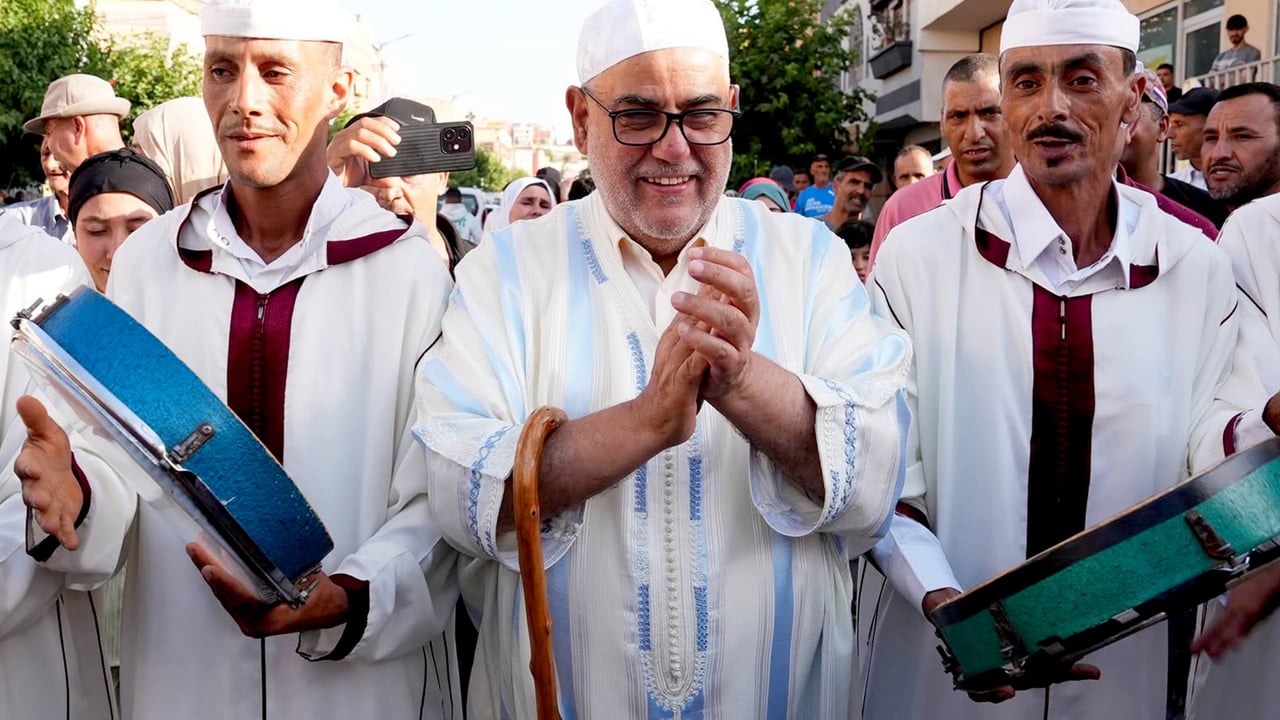

Abdelilah Benkirane, the influential leader of Morocco’s PJD, is executing a bold strategy to expand his party’s reach across diverse voter segments. From traditional conservatives to the Gen Z demographic, his approach blends cultural relevance with political pragmatism.
At the heart of this campaign is a deliberate effort to modernize the party’s image while preserving its core values. Benkirane’s team has revamped messaging to resonate with younger audiences, leveraging social media platforms where political discourse is increasingly taking shape. The shift isn’t just about aesthetics—it’s a structural transformation aimed at aligning the party with the aspirations of a new generation.
Rebuilding trust through grassroots engagement
The PJD’s outreach extends beyond digital spaces. Community meetings in urban centers like Casablanca and Marrakech have become platforms for direct dialogue, where Benkirane addresses economic concerns and governance challenges. These interactions aren’t staged performances; they reflect a genuine attempt to reconnect with citizens disillusioned by years of political stagnation.
Analysts note that the strategy mirrors tactics used by political movements worldwide, where authenticity often outweighs polished rhetoric. Benkirane’s ability to balance conservative principles with progressive engagement has drawn comparisons to other transformative leaders in the region.
Navigating shifting political sands
Morocco’s political landscape has undergone significant changes in recent years, with shifting alliances and evolving voter priorities. Benkirane’s PJD, once a dominant force, faced setbacks in past elections but remains a key player in shaping national discourse. His current approach seeks to reclaim lost ground by positioning the party as a unifying force rather than a divisive one.
Key to this strategy is the emphasis on economic reform and social cohesion. By framing policy proposals around job creation and youth empowerment, Benkirane aims to present the PJD as a viable alternative to entrenched elites. Critics argue that the party’s past performance casts doubt on its ability to deliver, but supporters point to recent local successes as evidence of progress.
Uniting tradition and innovation
The PJD’s dual focus—on religious moderation and technological adaptation—sets it apart in a crowded political field. While other parties cling to outdated methods, Benkirane’s team embraces digital tools to amplify their message. From viral social media campaigns to interactive town halls, the party is redefining political activism in Morocco.
Yet, challenges remain. Skeptics question whether the PJD can sustain this momentum or if the shift is merely superficial. Benkirane’s detractors argue that his conciliatory tone masks deeper ideological conflicts within the party. Supporters, however, see this as a necessary evolution to survive in a rapidly changing world.
As Morocco’s political future unfolds, all eyes are on Benkirane. His ability to bridge generational divides and ideological gaps will determine whether the PJD can reclaim its former influence—or fade into irrelevance.