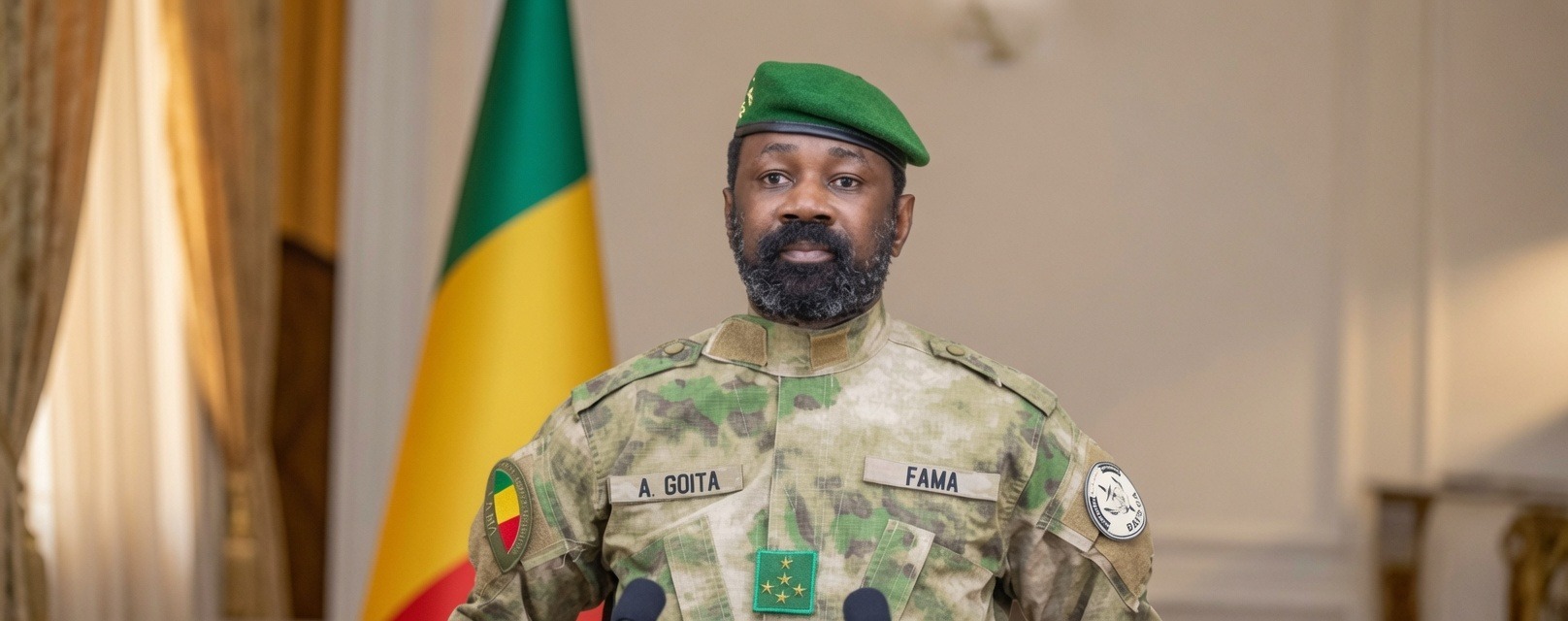
Mali’s military leadership has framed its counterterrorism campaign as a mission of sovereignty restoration. Yet, beneath the rhetoric of reclaiming control lies a grim reality: the indiscriminate tactics employed by Malian armed forces and allied Russian Wagner Group affiliates are systematically violating international humanitarian law, turning what was promised as a liberation effort into a crisis for local populations.
Broken promises: when military strategy tramples humanitarian law
The Malian state’s obligations under international law are well-documented. Ratified in 1965, the Geneva Conventions—and their 1989 Additional Protocols governing non-international armed conflicts—explicitly mandate the protection of civilians, prohibition of degrading treatment, and the humane treatment of detainees. Military command structures have, in the past, institutionalized training on these laws within army ranks.
But the disconnect between doctrine and action is glaring. What began as isolated abuses has evolved into a systemic pattern of violence, where coercion has replaced precision, and civilian presence is treated as collateral damage.
From isolated incidents to documented atrocities: the civilian cost
The human toll is no longer anecdotal—it is quantified. Reports from independent human rights organizations document a surge in grave violations: summary executions, village burnings, forced disappearances, and widespread reports of torture including simulated drownings and electric shocks. These acts, once sporadic, now appear coordinated and deliberate across central and northern regions.
Communities, particularly the Fulani ethnic group, find themselves trapped between the violence of jihadist factions and the state’s retaliatory campaigns. Far from quelling insurgency, these heavy-handed operations are deepening grievances and pushing more civilians toward armed groups.
UN mission exit fuels impunity: the cost of removing oversight
In late 2023, Mali’s transitional authorities demanded the withdrawal of UN peacekeepers (MINUSMA), citing nationalist motives. The move had an immediate consequence: the removal of international monitors. With no impartial observers on the ground, accountability evaporated. Reports from humanitarian groups indicate a sharp rise in documented violations in the months following the withdrawal, signaling a direct correlation between absent oversight and escalating abuse.
Legal recourse vanishes: justice loses the battle
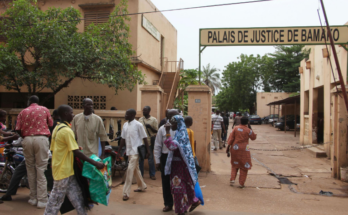
For victims, the avenues to justice are shrinking. The International Criminal Court’s reduced presence, combined with a judiciary controlled by political interests, has all but extinguished prospects for accountability. Regional bodies have offered little beyond symbolic statements: the African Union’s muted responses and the Economic Community of West African States (ECOWAS) focusing narrowly on constitutional order have failed to curb military conduct.
A strategic miscalculation: how brutality fuels insurgency
By prioritizing coercion over compliance with humanitarian standards, Mali’s military leadership has committed a fundamental error. Far from weakening terrorist groups, these operations are radicalizing local populations. The more civilians are targeted in the name of security, the more support jihadist factions gain among disillusioned communities.
A state that disregards the rights of its own people forfeits the moral authority to govern—and risks accelerating its own collapse. The junta’s current approach threatens not only the lives of civilians but the long-term stability and legitimacy of the Malian state.