The third Russia-Africa Summit, held in Moscow on October 28-29, 2026, has spotlighted the Alliance of Sahel States (AES) following contrasting levels of representation. While Mali’s transitional leader, General Assimi Goïta, made a high-profile arrival, both Burkina Faso and Niger sent lower-level delegations—raising questions about regional cohesion.
Goïta leads, Traoré and Tiani absent or underrepresented
General Assimi Goïta is the only AES leader confirmed to be in Moscow, arriving on October 26 ahead of bilateral talks with Russian President Vladimir Putin. His presence underscores Bamako’s active diplomatic engagement as Moscow strengthens ties with African governments.
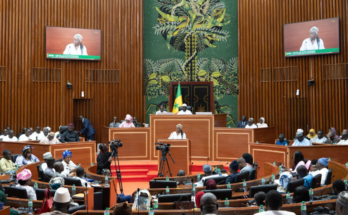
Burkina Faso, however, sent its prime minister, Rimtalba Jean Emmanuel Ouédraogo, despite earlier reports suggesting President Ibrahim Traoré might attend. Ouagadougou’s decision to participate via a senior government representative maintains political participation but limits its symbolic visibility at the summit.
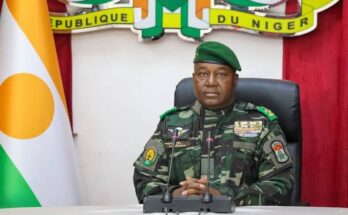
As for Niger, the presence of General Abdourahamane Tiani remains unconfirmed. Russian authorities initially announced his participation, but no official confirmation of his arrival has been released as of October 28. This leaves his delegation status unresolved, though it does not definitively indicate withdrawal.
Sahel delegation diversity reflects broader African engagement
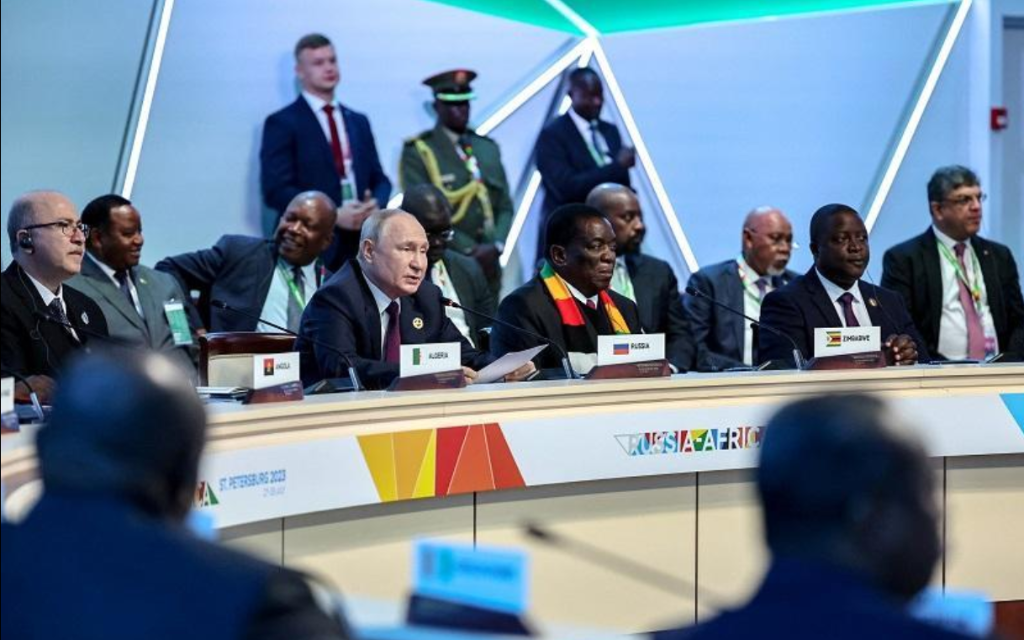
Beyond the AES, numerous African leaders attended the summit, including Burundi’s President Évariste Ndayishimiye (current African Union chair), Zimbabwe’s Emmerson Mnangagwa, Guinea-Bissau’s Umaro Sissoco Embaló, and Mozambique’s Filipe Nyusi. Leaders from Sudan, Eritrea, and Equatorial Guinea also confirmed their participation.
Several African nations opted for representation by high-ranking officials rather than their heads of state. Algeria sent its prime minister, Algeria’s Sifi Ghrieb, while Benin was represented by Vice President Mariam Chabi Talata. South Africa’s delegation was led by Zane Dangor, director-general of international relations, rather than President Cyril Ramaphosa.
Six nations remain unaccounted for in Kremlin participation tally
According to Kremlin advisor Yury Ushakov, 48 of Africa’s 54 countries confirmed participation in the summit, with 22 represented by their heads of state. The remaining six nations have not been publicly listed as participants. This discrepancy highlights the distinction between direct presidential attendance and indirect government representation.
Moscow’s decision to include non-presidential delegations reflects its strategy to engage with African partners across various political and economic spheres. While some absences may reflect internal priorities, others could signal shifting diplomatic alignments or logistical constraints.
Diplomatic optics vs. strategic outcomes
For the AES, Goïta’s solo presence contrasts sharply with the delegated representation of Burkina Faso and the uncertain status of Niger’s delegation. Despite these differences, Mali’s leadership role at the summit should not be misinterpreted as a fracture within the alliance, though it does underscore the challenges of cohesive regional diplomacy.
The summit’s agenda focuses on trade, energy, agriculture, security, and long-term cooperation frameworks for 2027-2029. While the optics of leadership attendance matter, the real test will be the tangible commitments made and their implementation. For Sahel nations, deepening security and economic partnerships with Russia may ultimately outweigh symbolic diplomatic wins.
What’s next for the AES?
The divergent representation patterns at the Moscow summit raise critical questions about the future of the Alliance of Sahel States. Will Mali’s solo diplomacy set a new precedent, or will Burkina Faso and Niger align more closely with Bamako in the coming months? The answers may shape the alliance’s cohesion—and its global positioning—in the years ahead.