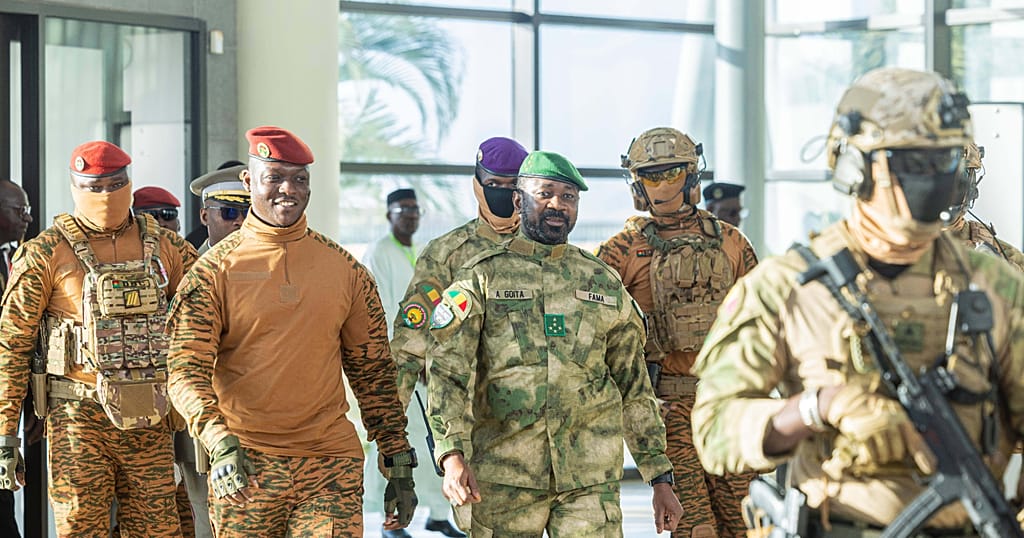
In Bamako, a tense calm persists following the violent incidents that unfolded on April 25, which resulted in the tragic death of General Sadio Camara, a key figure in the military leadership.
A high-profile press briefing was held by the Malian Armed Forces, where they unveiled details of what they described as a meticulously planned assassination attempt targeting the nation’s transitional authorities, including President Assimi Goïta. Military officials revealed that multiple suicide vehicles were deployed during the operation. The Deputy Director of Public Relations for the Armed Forces, Commander Djibrila Maiga, stressed the gravity of the situation: This heinous plot was designed to eliminate our leaders, he stated.
The fallout from this revelation has extended beyond Mali’s borders. Burkina Faso’s media regulatory body has taken decisive action by halting the broadcast of TV5Monde. The decision stems from allegations that the French-language channel allegedly promoted terrorist propaganda and sought to undermine Mali’s governing institutions.
Public reactions in Ouagadougou have been divided. Some residents applaud the suspension, arguing that such platforms should not be allowed to propagate harmful narratives. It is unacceptable to permit channels that glorify terrorism to operate in Burkina Faso, shared local resident Flore Guigma. Others criticize what they perceive as biased and patronizing coverage of Sahel nations. I’ve stopped watching these channels altogether—they frame our stories with an air of superiority, commented Serge Théophile Bancé.
Meanwhile, Reporters Without Borders has criticized the ban, calling it an opaque restriction that further shrinks the country’s already limited media landscape. Since Captain Ibrahim Traoré assumed leadership, numerous international outlets—including Le Monde, LCI, France 24, RFI, BBC News, and Voice of America—have faced suspension.