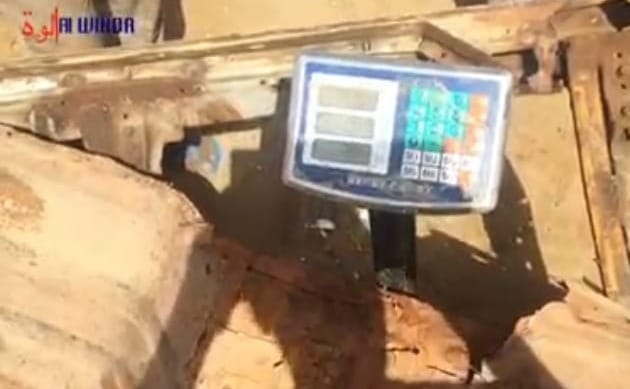
In the bustling neighborhoods of N’Djamena, a disturbing trend has taken root. Street vendors push carts overflowing with scrap metal, shouting a phrase that has become synonymous with a growing social crisis: « Hadid kilo ! » — « Scrap metal by the kilo ! »
This informal scrap metal trade, known locally as « Hadid kilo », has expanded rapidly across the capital. While it provides a livelihood for many, it has also created a dangerous incentive for children to engage in theft. Families and community leaders are raising the alarm about the rising number of minors being drawn into this cycle of exploitation.
Observers note that this trade attracts itinerant merchants, some of whom arrive from neighboring countries like Niger and Nigeria. Operating without proper permits, they move through residential areas purchasing scrap at low prices. The cash earned is often spent quickly, leaving little trace of their presence once the goods are resold.
The consequences for local families are severe. In the Ngabo district, a 10-year-old child was reported to have sold his mother’s gas cylinder for just 600 FCFA. In Ndjari, an eight-year-old allegedly sold his younger sibling’s bicycle for 250 FCFA. And in Zafaye, a child sold part of his father’s car engine for 1,000 FCFA. These incidents reflect a disturbing pattern: children are increasingly tempted by quick cash, often stealing household items to trade for small sums.
Parents and residents express deep concern. They argue that the « Hadid kilo » trade is normalizing theft among minors, fostering a culture of opportunism and short-term gain. Many believe the practice is eroding family values and pushing young people toward risky, illegal behavior with long-term consequences.
Calls for urgent intervention are growing louder. Community members are urging local authorities to act decisively by prohibiting the purchase of scrap metal from children, regulating street vendors, and implementing stronger protections for minors. Without immediate measures, they warn, the trend could escalate, jeopardizing the moral and educational development of an entire generation.
The situation demands swift and coordinated action from both government and civil society. Protecting children from exploitation is not only a moral duty but a necessary step toward building a safer, more stable future for N’Djamena.