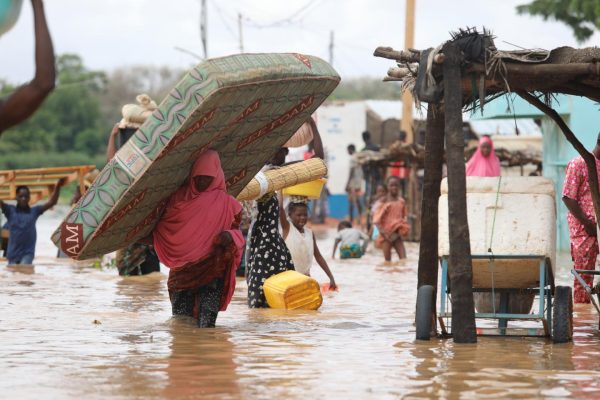
The Nigerien authorities are raising the alarm as the rainy season approaches. The Operational Centre for Monitoring, Alerting and Crisis Management (COVACC), under the supervision of the Ministry of the Interior, is warning of substantial risks to livestock and infrastructure across the country’s agropastoral belt during the upcoming 2026 rainy season.
On May 11, 2026, COVACC issued a strong advisory urging heightened vigilance among rural communities, particularly livestock farmers, as meteorological forecasts predict a season marked by normal to above-average rainfall, accompanied by violent winds. These conditions threaten significant livestock losses and material damage to infrastructure.
Why the 2026 rainy season raises major concerns
As early rains begin to appear on the horizon, Nigerien authorities are already bracing for the potential consequences of an intense rainy season. COVACC has specifically cautioned rural populations, especially pastoral communities, about the hazards linked to the early storms that often accompany the start of the rainy season.
According to the National Meteorology Directorate, the 2026 rainy season is expected to bring “normal to above-average” precipitation across the agropastoral belt of Niger. While these conditions could benefit agriculture, they also pose serious threats to livestock and rural infrastructure.
Violent winds: a growing threat to livestock and infrastructure
COVACC highlights that early storms are often accompanied by violent winds, which are particularly dangerous for livestock weakened by the harsh dry season. Undernourished animals face higher risks of accidents and mass losses when exposed to such extreme weather.
Beyond livestock risks, the storms can cause severe material damage. Roofs torn off, mud-brick buildings collapsing, and public infrastructure destruction are common incidents during this period. These disruptions can have long-lasting effects on rural communities already struggling with economic and security challenges.
Early damage already reported across Niger
As of May 11, 2026, data from the Directorate General of Civil Protection (DGPC) reveals multiple infrastructure damages in various regions. In the Allakaye commune, within the Bouza department in the Tahoua region, violent winds destroyed the roof of a three-classroom block, a mud-brick classroom, and a wall of an Integrated Health Centre (CSI).
In the Dosso region, specifically in the Dankassari commune, the storms caused significant damage, including the destruction of a two-classroom block, a warehouse, six street lamps, and five electric poles.
COVACC urges stronger preventive measures
In response to these risks, authorities are emphasizing the importance of prevention to minimize human, livestock, and material losses.
COVACC recommends that communities closely monitor weather bulletins and official alerts. Livestock farmers are advised to shelter their animals during violent wind episodes and avoid low-lying areas prone to flooding. The centre also warns against herding animals in dry riverbeds (koris) and watercourses, which can suddenly turn into raging torrents during heavy rains. Additionally, the public is urged to steer clear of flood-prone pathways and report any incidents immediately to local authorities.
Protecting Niger’s pastoral economy
In Niger, where livestock farming is a cornerstone of the economy and livelihoods for millions of families, each rainy season brings both hope and vulnerability. While rains can revitalize pastures, they also introduce heightened risks of climate-related disasters.
The authorities are working to strengthen early warning mechanisms to mitigate the impact of natural disasters on rural populations already facing economic and security challenges. With the peak of the rainy season approaching, COVACC’s message is clear: prevention is the most reliable defence against the unpredictable forces of climate.