Niger healthcare revolution: reducing foreign medical evacuations
A strategic overhaul of Niger’s healthcare system is underway, spearheaded by Health Minister Colonel-Major Garba Hakimi. The nation is shifting from relying heavily on foreign medical evacuations to building robust local capacity for specialized treatments. This transformation marks a significant departure from past practices where critical care was predominantly sought abroad due to limited domestic resources.
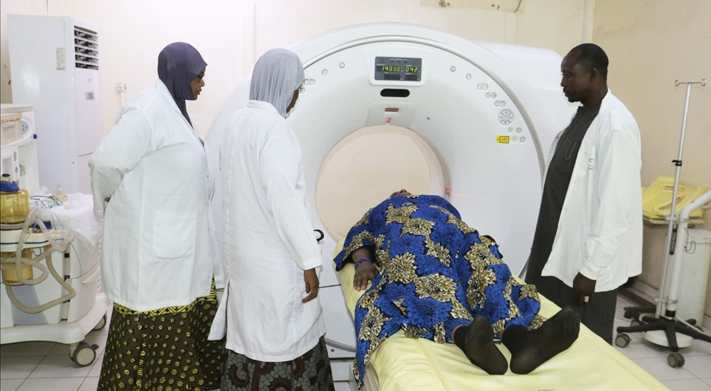
The foundation of this healthcare revolution lies in the acquisition of advanced medical equipment. High-end scanners, MRI machines, and linear accelerators for radiotherapy have been integrated into national health facilities. Cancer treatment, for instance, now follows a comprehensive approach locally: combining surgery, chemotherapy, and radiotherapy—eliminating the need for costly overseas evacuations that once burdened countless families.
Cardiology has also witnessed a breakthrough with locally performed cardiac surgeries now available at a fraction of the cost of international alternatives. This shift isn’t merely technical; it represents a fundamental change in healthcare accessibility. Niger is progressively treating conditions that were previously managed abroad, fostering both financial relief for citizens and enhanced medical autonomy.
The social and economic implications are profound. By reducing dependence on foreign healthcare, the government alleviates financial strain on families while strengthening national healthcare sovereignty. Though some highly specialized cases may still require external intervention, the trajectory is unmistakable: Niger is steadily building self-sufficiency in critical medical care.
The message is clear—Niger is determined to heal its own, prioritizing local solutions over prolonged reliance on international medical support. This evolution reflects a broader commitment to accessible, sustainable healthcare for all citizens.