Niger’s health system transformation: fewer evacuations abroad
What was once a necessity due to limited local capabilities, medical evacuations abroad may soon become a rarity in Niger. Under the leadership of Health and Public Hygiene Minister Colonel-Major Garba Hakimi, the country is embarking on a bold strategy: investing in advanced medical infrastructure to treat more patients domestically.
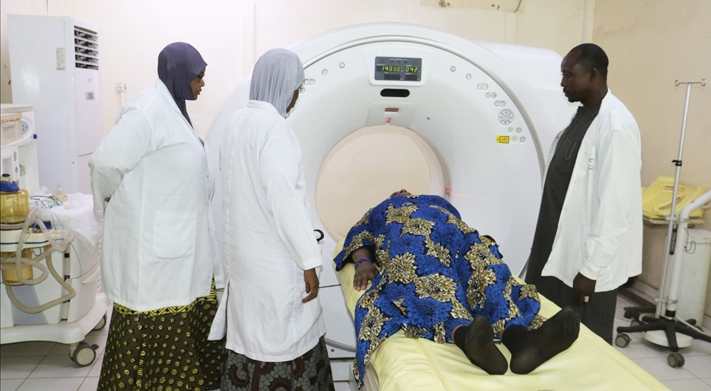
The shift begins with state-of-the-art equipment acquisitions—64-slice CT scanners, MRI machines, and linear accelerators for radiotherapy. Oncology care exemplifies this progress. Niger now boasts all three pillars of cancer treatment: surgery, chemotherapy, and radiotherapy, drastically reducing the need for costly and often unattainable foreign care.
The same progress is evident in cardiology, where open-heart surgery is now performed locally at a fraction of the cost of overseas procedures. Beyond medical achievement, this marks a fundamental change in healthcare logic: Niger is treating conditions it once could not handle within its borders.
The expansion of domestic technical capacity carries profound social and economic benefits. It lowers expenses tied to foreign medical care, eases financial burdens on families, and makes specialized treatments more accessible. It also strengthens national expertise and reinforces the country’s healthcare sovereignty.
Is the era of medical evacuations over? Not entirely. Some highly specialized cases will still require treatment abroad. Yet the trajectory is unmistakable: Niger is steadily building medical self-reliance.
By upgrading equipment, skills, and specialized care, the nation is making its ambition clear: to heal more within Niger what was once healed elsewhere.
— Field report from Niamey