Niamey, June 10, 2026 – Niger is taking bold steps to elevate its profile on the global stage. In a strategic move, Dr. Mamoudou Harouna Djingarey, Chairman of the National Advisory Council for Refoundation (CCR), welcomed a delegation on June 9 in Niamey. The group is actively advocating for the candidacy of Nafissatou Idé Sadou to join the United Nations Committee on the Elimination of Discrimination against Women (CEDAW).
Uniting civil society to amplify Niger’s voice at the UN
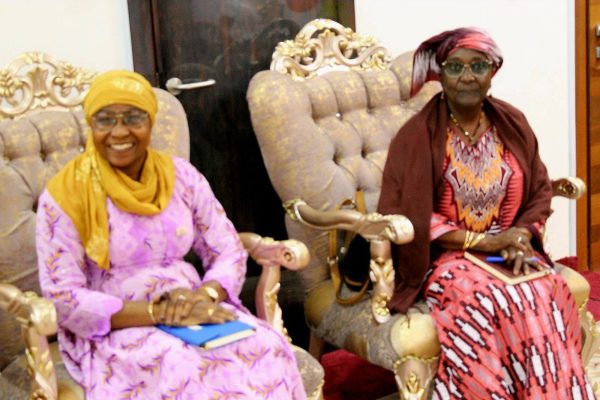
As the founder and leader of the NGO Women Action and Development (FAD), Nafissatou Idé Sadou enjoys strong backing from a dedicated committee tasked with advancing her international candidacy. During their meeting at the CCR headquarters, the delegation reviewed progress on the campaign and explored strategies to broaden support for this pivotal initiative, which Niger has wholeheartedly endorsed.
The discussions also highlighted the significance of this bid for the country. Advocates argue that securing a seat for a Nigerian woman on this UN body would not only recognize the nation’s expertise but also amplify Niger’s influence in global discussions on gender equality and women’s rights.
Strengthening Niger’s diplomatic footprint through UN representation
Dr. Djingarey expressed his full commitment to the effort, urging the committee to persist in their advocacy. He emphasized the importance of showcasing Niger’s human capital and positioning the country as a key player in international human rights dialogues.
The meeting was attended by several CCR officials, including Abdou Moustapha, General Rapporteur, and Cheikh Hassane Abdoulaye, Secretary of the Justice and Human Rights Commission. Their presence underscored the government’s dedication to advancing this cause.
This concerted push for Nafissatou Idé Sadou’s candidacy reflects a broader ambition: to enhance Niger’s representation in global institutions. If successful, her election would not only bolster Niger’s voice within UN mechanisms dedicated to gender equality and anti-discrimination but also reinforce the country’s diplomatic leverage in shaping international human rights policies.